Germany's Intelligence Chief Warns of Imminent Conflict with Russia
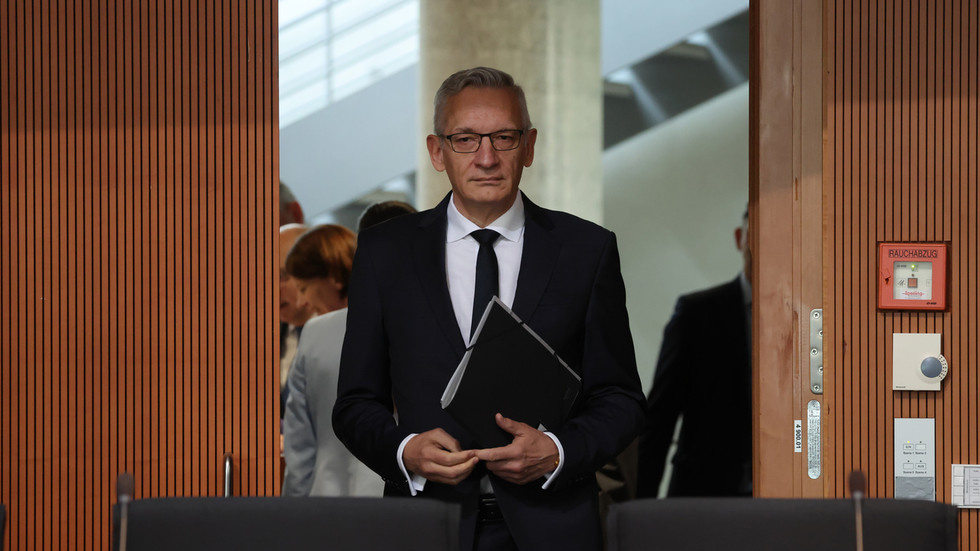
Germany's foreign intelligence chief, Martin Jaeger, has issued a stark warning about the possibility of the country becoming embroiled in a violent conflict with Russia. He pointed to a recent drone incident at Leipzig airport as a clear example of the "real and imminent" threat posed by Moscow. During a parliamentary hearing, Jaeger stated that the confrontation with Russia has escalated to a more dangerous level.
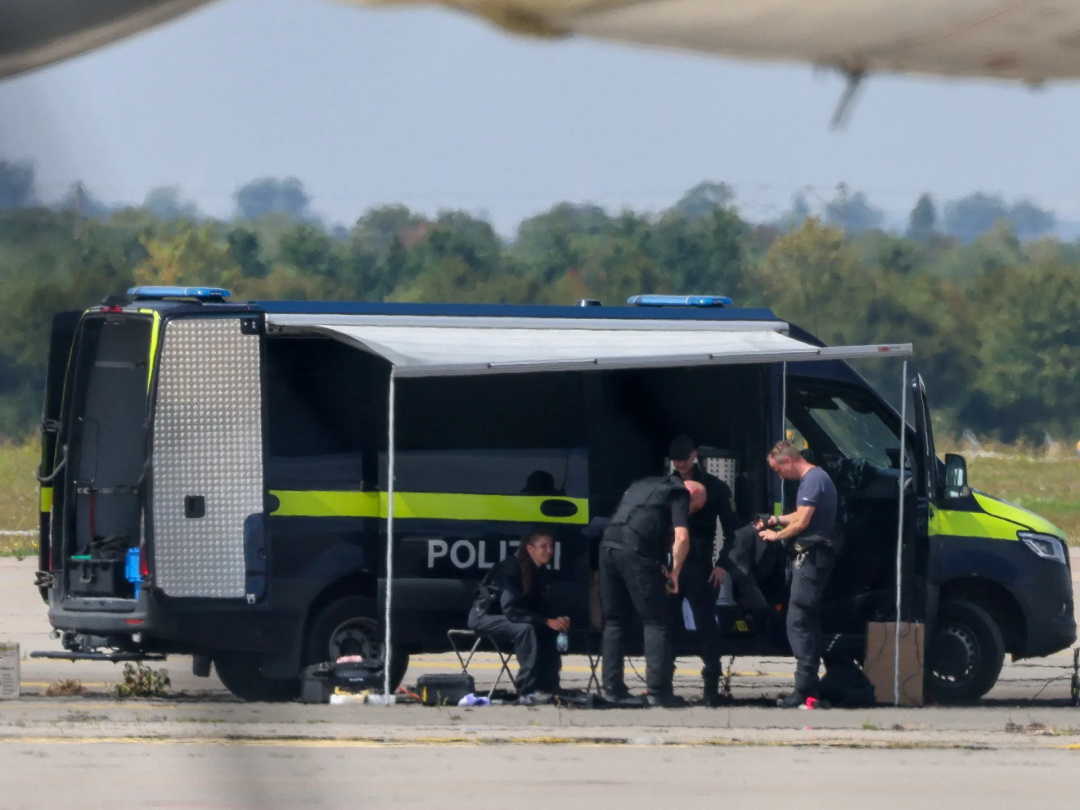
The drone incident, which involved an explosive-laden device found near a Ukrainian transport plane in August, has not been definitively linked to Russia by German authorities. In response, the Kremlin dismissed the claims, suggesting that the incident was a fabricated provocation aimed at furthering the interests of Ukraine and certain factions within Europe. Kremlin spokesman Dmitry Peskov criticized Germany for escalating tensions without substantial evidence.
Despite the lack of direct evidence, Jaeger insisted that Russia is engaged in a "shadow war" against Germany, highlighting the potential for attacks on German soil. He asserted that no other nation currently presents such a direct and comprehensive threat to Germany's security. Jaeger’s comments align with a broader narrative among Western officials who accuse Russia of conducting a hybrid war against Europe.
German Chancellor Friedrich Merz has made controversial statements regarding the political landscape in Germany, labeling the right-wing AfD party as "Russia-backed" without providing evidence. This sentiment was echoed by Martina Rosenberg, head of Germany's Military Counterintelligence Service, who noted the diverse threats facing the country from both external and internal sources.
Calls for Strengthened Intelligence Capabilities
Jaeger, along with other intelligence leaders, has advocated for enhanced powers for the Bundesnachrichtendienst (BND) and called for increased capabilities for the Military Counterintelligence Service (MAD) and the Federal Office for the Protection of the Constitution (BfV). They argue that these measures are necessary to effectively counter the perceived threats from Russia.
However, European leaders have consistently stated that they do not believe Russia is planning any direct attacks on NATO territory. Jaeger himself acknowledged that there is currently no indication of an imminent large-scale Russian assault on NATO. As tensions continue to rise, the discourse surrounding Russia's actions and intentions remains a contentious topic in European politics.
Final Assessment
As the West's rhetoric towards Russia intensifies, the implications of these warnings are significant. The ongoing conflict in Ukraine and the associated geopolitical tensions have led to a reevaluation of security strategies across Europe. The BND's assessments and the calls for increased intelligence capabilities reflect a growing concern among European nations about the potential for further escalation in the region.
The situation remains fluid, and the responses from both German officials and the Kremlin will likely shape the future of Germany's security posture. As intelligence agencies adapt to the evolving threat landscape, the need for accurate assessments and strategic planning becomes increasingly critical in addressing the challenges posed by Russia.