Germany's Spy Chief Warns of Risks from Russia's Shadow War
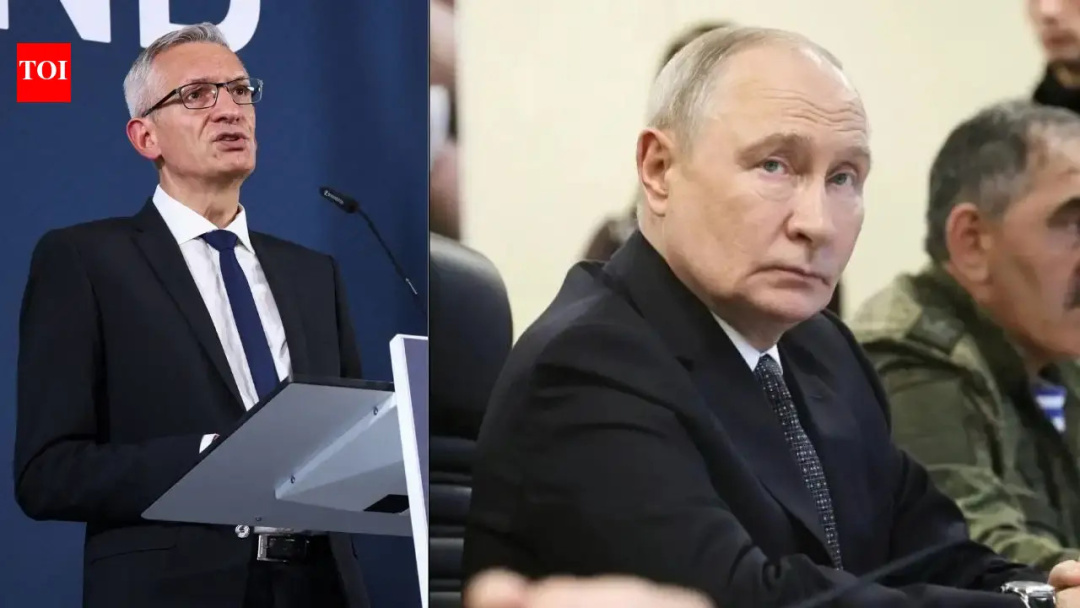
Germany's foreign intelligence chief has issued a stark warning about the escalating threat posed by Russia's shadow war, which he describes as increasingly aggressive. Martin Jaeger, head of the Bundesnachrichtendienst (BND), informed lawmakers during a parliamentary hearing that the confrontation with Russia has entered a more perilous phase. He emphasized that Germany is at risk of being drawn into a violent conflict, noting that no other nation currently presents such a direct and comprehensive threat to the country.
Jaeger referenced a recent incident involving an attempted attack at Leipzig airport, where a drone laden with explosives was reportedly linked to Russian agents. This incident underscores the ongoing hybrid campaign that German authorities accuse Moscow of conducting against Germany and its allies. Despite these accusations, Russia has consistently denied any involvement in such activities.
The BND chief articulated that Germany has become a significant obstacle to Russia's ambitions in Europe, making it a target for Russian operations. While Jaeger stated that there are currently no indications of a major Russian military attack on NATO members, he cautioned that low-level military activities could occur, particularly in the Baltic states.
Germany's Support for Ukraine Amid Tensions
In a related context, German Chancellor Friedrich Merz recently visited Kyiv to express solidarity with Ukraine amid intensified Russian attacks. Merz highlighted the necessity of stopping Russia's aggression, warning that if left unchecked, Russia's military actions could eventually turn against Germany. He reaffirmed Germany's commitment to supporting Ukraine, having already provided substantial aid since the onset of the conflict.
Clearance Granted
As tensions continue to rise, Germany's domestic intelligence chief, Sinan Selen, noted that Russian operations are evolving beyond traditional espionage tactics. He pointed out that sabotage and targeted assassinations are increasingly part of the threat landscape, particularly focusing on the defense industry and military infrastructure.
The situation remains fluid, with ongoing developments in the region. Germany's intelligence community is closely monitoring these threats as they assess the implications for national security and regional stability.