Trump's Greenland Agreement and Its Impact on National Security
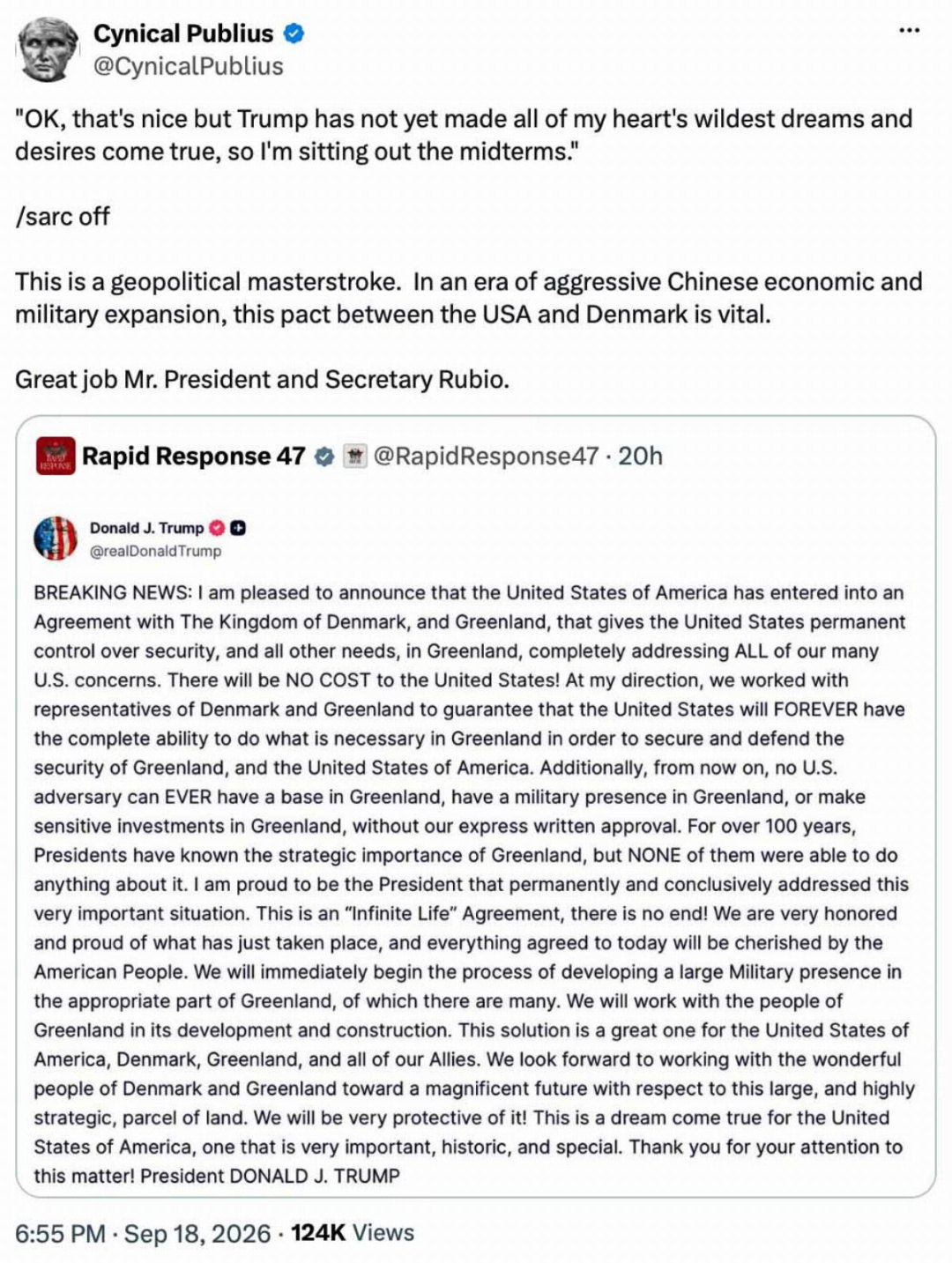
The recent agreement involving Greenland has ignited discussions about its implications for U.S. national security. Critics of the deal argue that it is being downplayed by political opponents, particularly Democrats, who have expressed skepticism about President Trump's foreign policy initiatives. The agreement is seen as a significant step in securing a permanent U.S. military foothold in Greenland, which has strategic importance in the Arctic region.
Supporters of the deal highlight that it allows the U.S. to enhance its military presence and infrastructure in Greenland, a move that is viewed as necessary given the geopolitical tensions in the area. The agreement reportedly grants the U.S. veto power over any non-NATO military presence in Greenland, which could shape the future of military operations in the region. This aspect of the deal has raised concerns among critics who fear it may lead to increased militarization and tensions with other nations.
Furthermore, the agreement is said to provide the U.S. with the right of free access to and movement between defense areas in Greenland, including territorial waters. This expanded access is viewed as a critical component of U.S. defense strategy, particularly in light of potential threats from adversarial nations. The deal also emphasizes the importance of American interests in the region, which some argue could overshadow Denmark's sovereignty over Greenland.
Debate Over Greenland's Strategic Importance
As the political landscape continues to evolve, the implications of the Greenland agreement remain a topic of heated debate. While supporters argue that it strengthens U.S. national security, critics caution against the potential for escalating tensions in the Arctic. The long-term effects of this agreement on U.S. foreign policy and international relations will likely be scrutinized in the coming months.
Cleared to File
The political reactions to the Greenland agreement have been mixed, with some Congressional Republicans expressing support while others remain hesitant. The lack of a unified response from the Republican Party has raised questions about the political ramifications of the deal. Critics argue that the agreement could be used as a political tool by future administrations, potentially undermining its intended benefits.
As discussions about national security and foreign policy continue, the Greenland agreement serves as a focal point for broader debates about U.S. military strategy and international relations. The evolving dynamics in the Arctic region will require careful consideration from policymakers as they navigate the complexities of global security challenges. The agreement's impact on U.S.-Denmark relations and its implications for NATO will also be closely monitored by analysts and political observers.