Experts Warn of Iran's Potential Shift in Covert Warfare Tactics
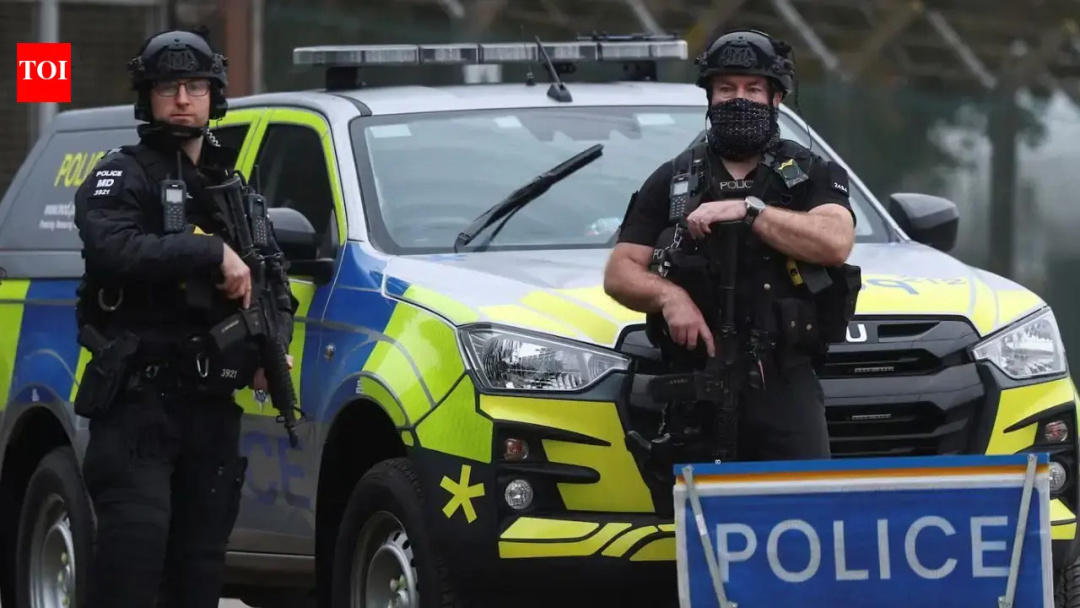
Concerns are mounting regarding Iran's potential escalation of covert attacks following two recent incidents. A suspected terror plot near RAF Fairford, a British air base utilized by U.S. forces, and an attack aboard a FlyDubai flight have prompted investigations and heightened vigilance among global security agencies. British Prime Minister Andy Burnham indicated that there are strong indications of Iranian involvement in the Fairford case, leading to the arrest of a dual UK-Iranian national on suspicion of preparing terrorist acts.
The FlyDubai incident, where a co-pilot allegedly stabbed the captain in an attempt to crash the aircraft, has drawn attention from U.S. officials, including President Donald Trump, who suggested a possible Iranian connection. However, while the United Arab Emirates and Israeli officials have labeled the FlyDubai attack as terrorism, UAE authorities have not publicly attributed it to Iran. Investigations into both incidents have yet to confirm any direct involvement from the Iranian government, which has denied any connection to the Fairford plot.
Experts like Daniel Byman from the Center for Strategic and International Studies note that the Fairford incident aligns with Iran's recent tactics of utilizing hired operatives and intermediaries for covert operations. Byman emphasized that while the attack on the airbase fits a pattern of Iranian behavior, the FlyDubai attack represents a significant departure from their usual methods. He expressed skepticism about the likelihood of direct Iranian involvement, suggesting that it may be a stretch based on historical patterns.
Iran's Covert Strategy Explained
Matthew Levitt, a former counterterrorism official, highlighted Iran's strategy of maintaining plausible deniability in its overseas operations. He explained that terrorism allows Iran to exert influence without the immediate repercussions of conventional military actions, which would clearly identify Iran as the aggressor. This strategy has enabled Iran to threaten adversaries while complicating efforts to attribute attacks directly to them.
Cleared for Release
The recent incidents raise questions about whether Iran may be shifting its approach to warfare in response to ongoing conflicts with the United States and Israel. Levitt posited that Iran could pursue more ambitious tactics to demonstrate its capability to impose costs beyond traditional battlefields. However, Byman cautioned that such actions could provoke a strong backlash from the U.S. and its allies, potentially uniting public opinion against Iran and leading to escalated military responses.
As investigations continue, the implications of these incidents for Iran's future strategies remain uncertain. The potential for increased covert operations could signify a new phase in Iran's asymmetric warfare, but the complexities of attribution and the risks involved may temper Tehran's willingness to escalate further. The evolving situation underscores the delicate balance of power and the intricate web of international relations surrounding Iran's actions on the global stage.