Latvia Holds Parliamentary Election Amid Economic and Security Concerns
Polls opened in Latvia on Saturday, allowing around 1.5 million citizens to participate in the country's 11th parliamentary election since gaining independence from the Soviet Union in 1991. This election features 100 seats in the Saeima contested by 14 parties through a proportional representation system. The campaign has been heavily influenced by rising living costs and national security concerns, particularly given Latvia's geographical proximity to Russia and Belarus.
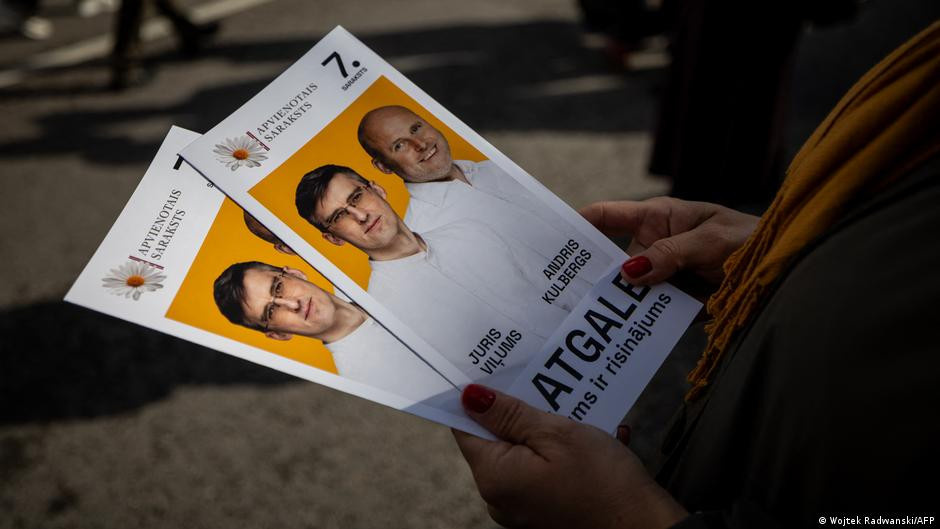
Andris Kulbergs, the current prime minister, has been in office since May following the collapse of the previous government over a dispute regarding Ukrainian drones. His center-right United List alliance was leading in pre-election polls, but analysts predict that his coalition may emerge weakened as populist parties gain traction.
The ongoing Russian invasion of Ukraine poses a direct threat to Latvia's national security, as it shares historical ties with Ukraine as a former Soviet state. Latvia has a significant ethnic Russian and Russian-speaking minority, which adds complexity to its political landscape. Unlike Ukraine, Latvia is a member of both the European Union and NATO, which shapes its defense and foreign policy.
Latvia's Defense Spending and Economic Struggles
Riga has committed to spending at least 5% of its GDP on defense, reflecting its dedication to security amid rising tensions in the region. However, many Latvians express dissatisfaction with high prices and stagnant wages, contributing to a sluggish economy and a strained health system. Emigration and an aging population further complicate these challenges.
Final Brief
Populist movements, such as the Sovereign Power/Young Latvians Alliance and the Latvia First party, have sought to capitalize on public discontent by advocating for a less stringent stance towards Moscow. They argue that a complete economic decoupling from Russia could be detrimental to Latvia's economy. Despite these sentiments, no major political party is proposing a significant shift in Latvia's foreign policy alignment with the EU and NATO.
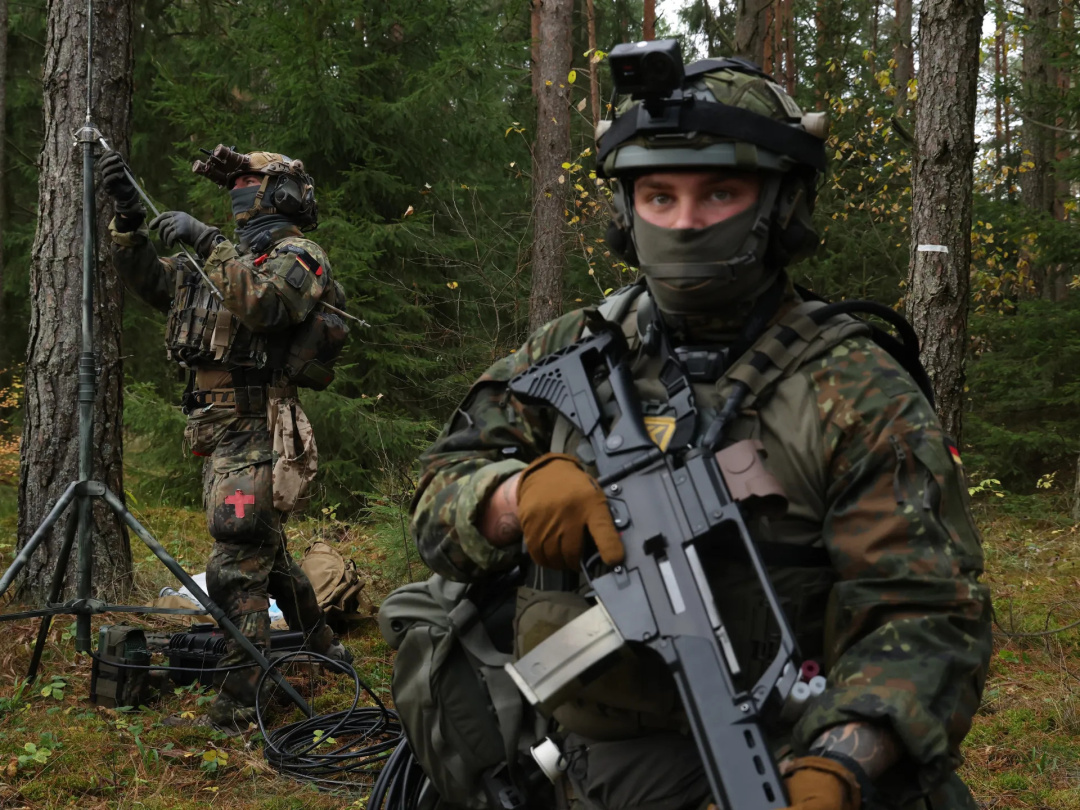
In a show of military readiness, four German Eurofighter jets have been deployed to protect Latvian airspace during the election, responding to a request from the Latvian government. As the ballots are counted, attention will quickly turn to coalition negotiations, which are expected to be lengthy and complex. Partial results are anticipated on Saturday evening, with preliminary official results expected on Sunday.