Ethiopia's Conflict: Regional Implications and Foreign Involvement
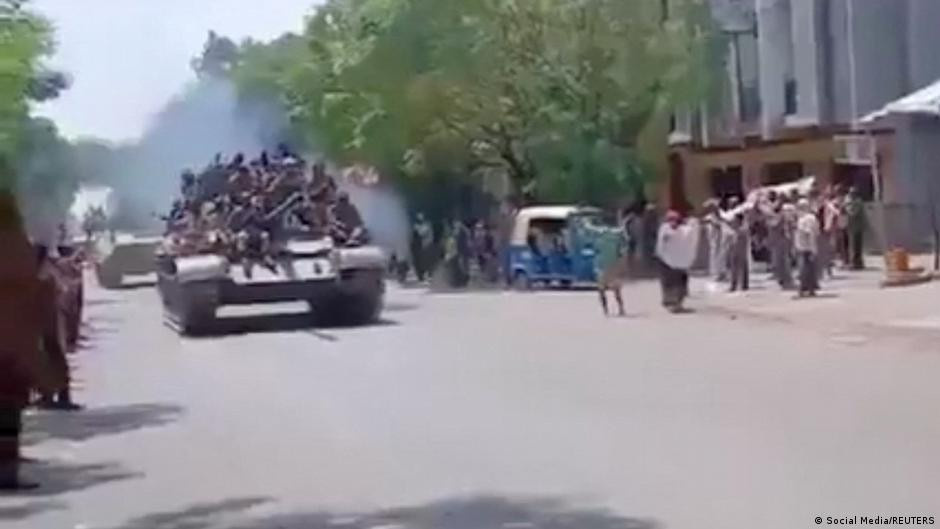
In recent developments, three militias from a newly formed alliance, spearheaded by the Tigray People's Liberation Front (TPLF), have been clashing with the Ethiopian National Defense Force (ENDF) in northern Ethiopia. This coalition, known as the "Ethiopian Peoples' Forces Alliance for Survival," comprises seven armed groups that oppose Prime Minister Abiy Ahmed's federal government.
The ENDF has alleged that this alliance extends beyond Ethiopia's borders, with its commander-in-chief, Field Marshal Birhanu Jula, accusing Eritrea, Sudan, and Egypt of providing support to the TPLF. In response, Sudan dismissed these claims as unfounded, countering with accusations that Ethiopia is backing the Rapid Support Forces (RSF) militia, which has been engaged in conflict with Sudan's army for over three years.
Eritrea has suggested that Ethiopia is attempting to deflect attention from its internal issues onto neighboring countries. Meanwhile, Egypt has categorically denied any involvement. Experts argue that while the conflict is primarily domestic, it possesses significant foreign policy implications due to the involvement of various external actors with vested interests in the region.
Susanne Stollreiter, head of the Ethiopia office of Germany's Friedrich Ebert Foundation, noted that the conflict could escalate, potentially leading to broader regional instability. Egypt and Sudan have longstanding grievances against Ethiopia, particularly regarding the Blue Nile, which Ethiopia has dammed near their borders.
Sudan has been embroiled in a civil war since April 2023, with both the Sudanese Armed Forces (SAF) and the RSF having connections to factions now opposing the Ethiopian government. The TPLF, which faced defeat in the Tigray War from 2020 to 2022, has found refuge in Sudan, where many of its fighters have allied with the SAF against the RSF.
The Ethiopian government faces a dilemma as Sudan appears to be aligning with one of its strongest opposition groups. In May, Sudan hosted representatives from the TPLF and other Ethiopian factions critical of Abiy, some of which are now part of the new alliance.
Ethiopia's Governmental Alliances Under Scrutiny
Conversely, Ethiopia's central government has reportedly supported the RSF, with reports of a secret training camp for RSF fighters in the Ethiopian border region of Benishangul-Gumuz, allegedly funded and supported by the United Arab Emirates, which has denied these claims.
Currently, there are no indications of direct involvement from the Sudanese army or the RSF in the Ethiopian conflict, nor is there evidence of Eritrean participation in the latest escalation. However, speculation about Eritrea's potential support for the TPLF persists, especially given the historical context of Eritrea's involvement in the Tigray War alongside Abiy's forces.
Analysts suggest that Eritrea may be using the TPLF and other opposition groups as a deterrent against perceived Ethiopian aggression, particularly regarding access to the Red Sea port of Assab. Asmara has strengthened its ties with Cairo this year, coinciding with the expiration of U.S. sanctions against Eritrea.
The Horn of Africa, bordering the Gulf region, faces instability exacerbated by conflicts in Yemen and Somalia, where Al-Shabab is gaining ground. Stollreiter emphasized that the absence of protective powers in the region has allowed various actors to assert themselves amid the chaos.
Filed & Cleared
Despite the complex dynamics, Magnus Taylor from the International Crisis Group does not foresee the situation escalating into a proxy war involving Gulf powers. While the UAE supports Ethiopia, it does not appear that Saudi Arabia is backing the TPLF or any other opposition group.
As of now, there are no clear signs that the internal conflict in Ethiopia is becoming internationalized, but the risk remains high in the volatile Horn of Africa.