Spain and China's Growing Ties Raise EU Concerns
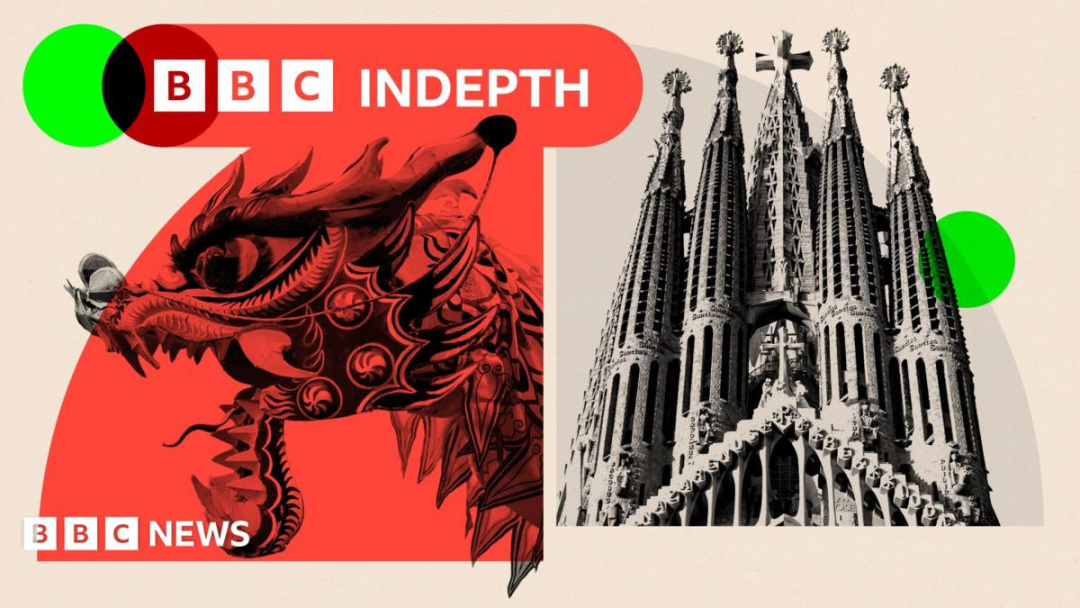
In Barcelona, vibrant Chinese cultural performances captivated audiences during the La Merce festival, marking a significant moment in Spain's relationship with China. This event showcased the growing ties between the two nations, with Shanghai's Vice Mayor Lu Shan emphasizing their shared spirit despite differing traditions. Spanish Prime Minister Pedro Sanchez has actively sought to strengthen relations with China, visiting President Xi Jinping multiple times in recent years. However, this approach has drawn criticism from other EU member states, who view China's influence as a potential threat to European unity.
Sanchez's outreach to China has raised eyebrows among European partners, particularly as Spain opens its markets to Chinese businesses. Critics argue that this could enable China to undermine the EU's economic stability. The geopolitical landscape has shifted, with many EU countries feeling vulnerable and uncertain about the United States' commitment under President Trump's administration. As a result, nations are forging new alliances based on their national interests, even if it strains relationships within the EU.
Germany and France, the EU's leading powers, have adopted a more assertive stance towards China, advocating for measures to protect European markets from subsidized Chinese competition. Concerns about China's close ties with Russia further complicate the situation, as defense experts warn of the implications for European security. Spain's enthusiastic engagement with China has led to accusations of prioritizing national interests over collective European goals.
Victor Cortizo, an expert in Sino-Spanish relations, suggests that Spain's strategy reflects a broader trend of countries seeking economic benefits from China. He notes that Chinese investments in Spain have surged, particularly in sectors like electric vehicle manufacturing. As Spain positions itself as a favorable destination for Chinese investment, the implications for the EU's single market and collective security remain contentious.
Spain's Strategy in a Broader Context
Despite the criticism, some analysts argue that Spain's approach is not unique, as other EU nations also pursue strategic relationships with China. Miguel Otero, a China specialist, contends that Spain's actions are part of a larger trend of diversifying partnerships in response to changing global dynamics. However, the security implications of such relationships cannot be overlooked, especially in light of recent controversies surrounding Chinese technology firms operating in Spain.
As Spain navigates its relationship with China, the potential for increased economic collaboration must be balanced against the risks to European cohesion and security. The ongoing dialogue about national interests versus collective EU strategies underscores the complexities of modern geopolitics, particularly in an era marked by uncertainty and shifting alliances.
Final Assessment
The evolving dynamics of Spain's relationship with China raise critical questions about the future of EU unity. As member states grapple with their individual security concerns and economic aspirations, the risk of fragmentation looms large. The EU's ability to present a united front in the face of external challenges is increasingly tested by the divergent paths taken by its members.
In conclusion, Spain's growing ties with China reflect broader geopolitical shifts that could have lasting implications for the EU. As nations prioritize their national interests, the challenge of maintaining a cohesive European strategy becomes more pronounced. The interplay between economic collaboration and security concerns will continue to shape the discourse surrounding Spain's relationship with China and its impact on the EU's collective future.