Salah Sarsour Faces Deportation on National Security Grounds
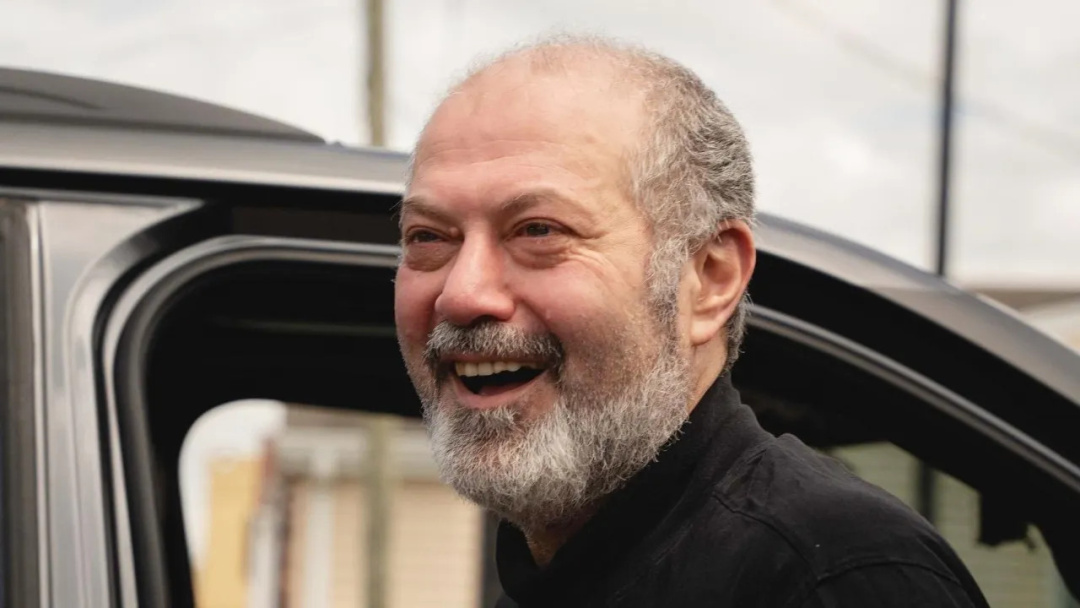
An immigration judge has ruled that Salah Sarsour, the leader of Wisconsin's largest mosque, can be deported on national security grounds. The decision follows Secretary of State Marco Rubio's invocation of federal immigration law, asserting that Sarsour's presence could have serious adverse foreign policy consequences for the United States. Government lawyers cited Sarsour's past convictions in Israel, including incidents involving violence against military personnel, as justification for the deportation.
Sarsour's legal team has contested these claims, particularly an allegation that he threw a Molotov cocktail at Israeli Defense Forces personnel, arguing that he was never convicted of such an act. A spokesperson from the Department of Homeland Security stated that Rubio had reasonable grounds to believe Sarsour's presence could pose a threat and that he had engaged in terrorist activities or supported terrorist organizations.
The case has garnered significant media attention, especially given Sarsour's long-standing advocacy related to the Israel-Gaza conflict. His brother has alleged that Sarsour was involved in fundraising for a group linked to Hamas, which has further complicated the narrative surrounding his legal troubles. Sarsour has publicly stated that he believes he is being targeted for political reasons, particularly due to his outspoken views on the Israel-Palestine issue.
Cleared for Release
Sarsour, who has lived in the U.S. for over 30 years, plans to appeal the judge's ruling. He expressed his commitment to fighting for his right to free speech and to remain in the country he considers home. His lawyers have raised questions about the timing of the government's actions, noting that it took years for authorities to pursue his deportation despite his alleged past activities.
The Department of Homeland Security has emphasized that under the current administration, illegal aliens who break the law will face consequences, while also asserting that due process is afforded to all individuals in such cases. As the situation unfolds, the implications of Sarsour's case may resonate beyond his personal circumstances, potentially impacting broader discussions about immigration and national security in the United States.