Evan Gershkovich Details His Arrest and Imprisonment in Russia
Evan Gershkovich, a journalist for the Wall Street Journal, has recounted the dramatic details of his arrest in Russia on false espionage charges. In an interview with a British radio program, he described how he was captured in Yekaterinburg after meeting with a source. A group of masked men entered the venue and announced their presence, which led Gershkovich to realize he was caught in a trap set by the Russian Federal Security Service (FSB). The source he was meeting quickly vanished, leaving Gershkovich to confront the situation alone.
Despite the gravity of the charges against him, Gershkovich noted that the lack of aggressive interrogation tactics typically associated with Russian intelligence provided him with a sense of relief. He understood that the authorities did not genuinely believe he was a spy but had fabricated the case to use him as a political pawn. This realization helped him maintain his mental stability during his 16 months in captivity.
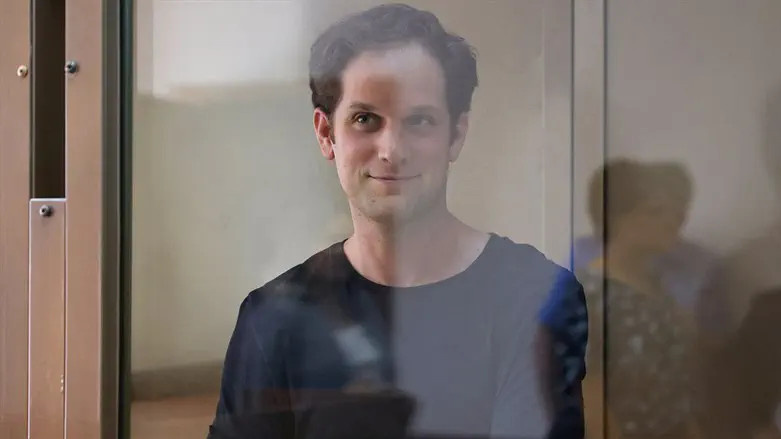
Gershkovich also revealed that he was aware of plans for a prisoner exchange involving him and Russian assassin Vadim Krasikov, which bolstered his spirits during his time in the isolated Lefortovo prison. He explained that the photographs of him smiling during court hearings were not a sign of taking the situation lightly but rather a calculated act of defiance against what he perceived as a theatrical display by the authorities.
Final Brief
His prison conditions, while challenging, allowed him some degree of comfort, contrasting sharply with the fate of other journalists, such as Viktoria Roshchyna, who suffered severe torture and ultimately died in captivity. Gershkovich learned of his impending release three weeks prior to the exchange on August 1, 2024, and now resides in Berlin, where he is receiving psychological treatment for panic attacks and post-traumatic stress stemming from his ordeal.
Despite the trauma he endured, Gershkovich expressed a desire to return to Russia one day to witness the changes that may occur after the current regime. His story highlights the complexities of journalism in hostile environments and the personal toll that such experiences can take on individuals.