Iran's Military Claims War Will End Only with U.S. Defeat
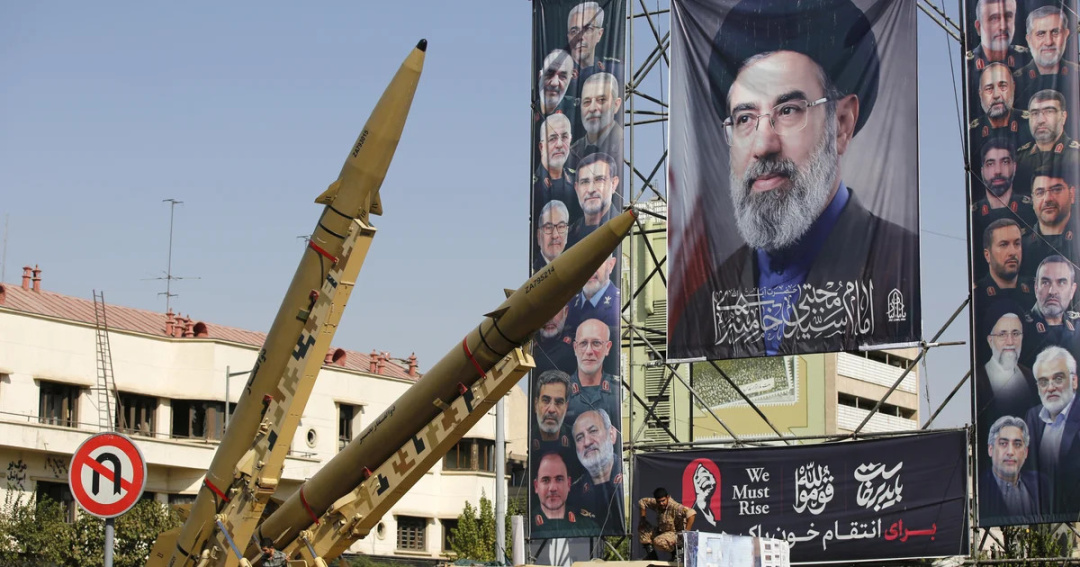
Iran's Foreign Minister Abbas Araghchi has received feedback from the United States concerning a proposed seven-day ceasefire intended to foster trust between the two nations. This proposal, which includes the phased reopening of the Strait of Hormuz, was contingent on the U.S. meeting specific conditions outlined in a memorandum of understanding that collapsed earlier this year. President Trump has publicly dismissed the Iranian proposal.
The current disagreement centers around the sequencing of the ceasefire plan, and Araghchi is expected to discuss this issue in Tehran on Wednesday. Maj. Gen. Mohsen Rezaei, head of Iran's Supreme National Security Council, stated that President Trump is caught between the options of escalating military action and pursuing negotiations. Rezaei remarked that Trump is in a difficult position, unable to make a decisive choice between the two paths.
Iranian officials have indicated they are awaiting a formal response from the U.S. regarding the proposal made during last week's U.N. General Assembly. Despite the dismissive comments from Trump, Araghchi emphasized that they are still looking for an official reply through a Qatari intermediary.
Rezaei also criticized the recent sanctions imposed on Iranian airlines, labeling them an "air blockade" and indicative of U.S. desperation. The U.S. Treasury Department recently sanctioned ten individuals and companies accused of aiding Iran's military logistics in acquiring weapons and electronics, as part of an initiative called Operation Economic Outcast, aimed at isolating Iran's government and economy.
IRGC's Call for U.S. Withdrawal
The Revolutionary Guard Corps has made it clear that they believe the only way to end the ongoing conflict is for the U.S. to acknowledge its defeat and withdraw. General Hossein Mohebbi, spokesperson for the IRGC, conveyed this message during a news conference, reading from what he referred to as a "letter to the American people." This communication appears to be aimed at the U.S. public ahead of the upcoming midterm elections, where Trump's Republican Party faces significant challenges.
In additional remarks to The Associated Press, Mohebbi urged Americans to reconsider their leadership and to protest against the president's policies, which he characterized as warmongering. He accused the U.S. of using Iran's nuclear program as a pretext to exploit the country's resources and reduce it to a state of colonialism.
Final Brief
The sanctions imposed by the U.S. Treasury are part of a broader strategy to pressure Iran economically and politically. Treasury Secretary Scott Bessent stated that the department will not tolerate any support for the Iranian regime and will continue to identify and isolate those who enable it. The ongoing tensions between the U.S. and Iran highlight the complexities of international diplomacy and the challenges of negotiating peace in a highly charged environment.
As the situation evolves, the potential for further conflict remains high. The Iranian leadership's insistence on U.S. acknowledgment of defeat as a precondition for peace complicates the prospects for negotiations. The upcoming U.S. elections may also influence the dynamics of this geopolitical standoff, as both nations navigate their respective political landscapes while seeking to assert their positions on the global stage.