DOJ Charges 28 Individuals with Election Interference Across 12 States
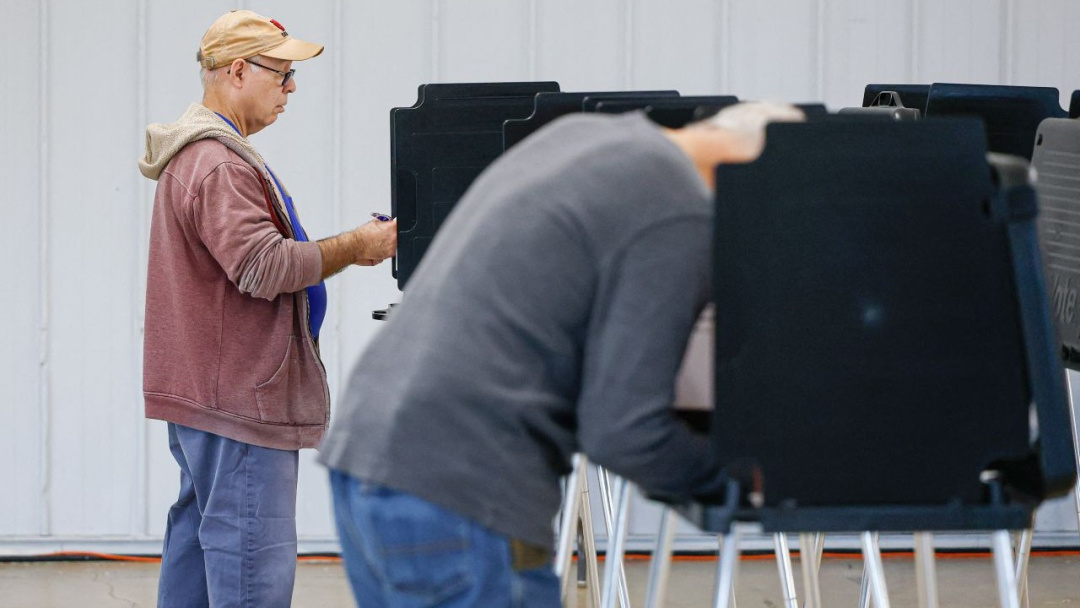
The U.S. Department of Justice (DOJ) has recently charged 28 individuals in 12 different states with election interference and illegal voting. This action is part of a larger initiative aimed at addressing noncitizen voting as the midterm elections approach. The DOJ's efforts to ensure election integrity have intensified, with charges announced against 12 individuals for election-related crimes across seven states. This follows an earlier announcement on September 18, where 16 individuals were charged, including three from Georgia.
A spokesperson from the Department of Homeland Security emphasized the collaboration with the DOJ to combat election fraud. The spokesperson stated that both agencies are focused on prosecuting noncitizens who vote, asserting that only U.S. citizens should have the right to elect American leaders. The message to noncitizens who participate in elections is clear: they will face legal consequences, including criminal charges and potential deportation.
The DOJ's investigations have revealed that the individuals charged come from various countries, including Trinidad and Tobago, Mexico, and the Democratic Republic of Congo. Charges include voting illegally, submitting false voter registration applications, and other forms of election interference. Notably, some individuals are accused of voting multiple times in different elections.
In Georgia, three noncitizens from Antigua and Barbuda, Mexico, and Venezuela have been charged with illegal voting. One of the accused, Pauline Lewis, 65, allegedly voted as an illegal alien in a federal election. Gabriel Covarrubias, 44, is accused of voting under an incorrect name in the November 2024 federal election and making false statements in a passport application. Another individual, Analiea Milliscent Eccles, 44, reportedly voted nearly ten times from 2008 to 2024 while falsely claiming U.S. citizenship.
Wider Impact of Election Interference Charges
The scope of election interference extends beyond Georgia, with individuals charged in states such as Florida, Texas, and Utah. The DOJ has noted that some of the accused are illegal aliens, while others are suspected noncitizens or lawful permanent residents. The charges also encompass additional crimes, including making false statements on citizenship applications and the alleged removal of mail-in ballots by a former mail carrier.
Approved for Dissemination
Georgia's Secretary of State, Brad Raffensperger, highlighted the importance of citizenship verification in maintaining election integrity. He stated that Georgia was the first state to implement citizenship verification for its voter rolls and emphasized the state's commitment to investigating potential violations and collaborating with law enforcement to uphold election laws.
As investigations continue, the DOJ remains focused on rooting out election fraud and ensuring that only eligible voters participate in elections. The ongoing scrutiny of election integrity reflects broader concerns about the potential impact of noncitizen voting on the electoral process.