Evan Gershkovich Reflects on His Arrest and 16 Months in Russian Prison
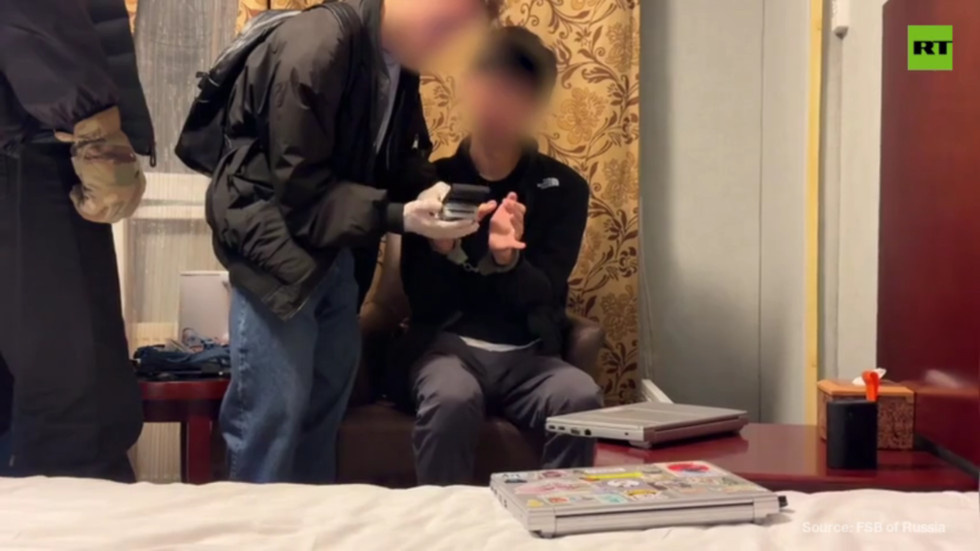
US journalist Evan Gershkovich has recounted the moment he realized he was being set up by Russian authorities when he was arrested by FSB agents and accused of espionage. In an interview with Radio 4's Today program, Gershkovich described how he felt lured into a trap at a restaurant in 2023, surrounded by masked men who detained him. He expressed a sense of relief upon realizing that he was not being interrogated or tortured, common practices for actual spies in Russia. Instead, he felt he was being treated as a valuable hostage in a larger political game.
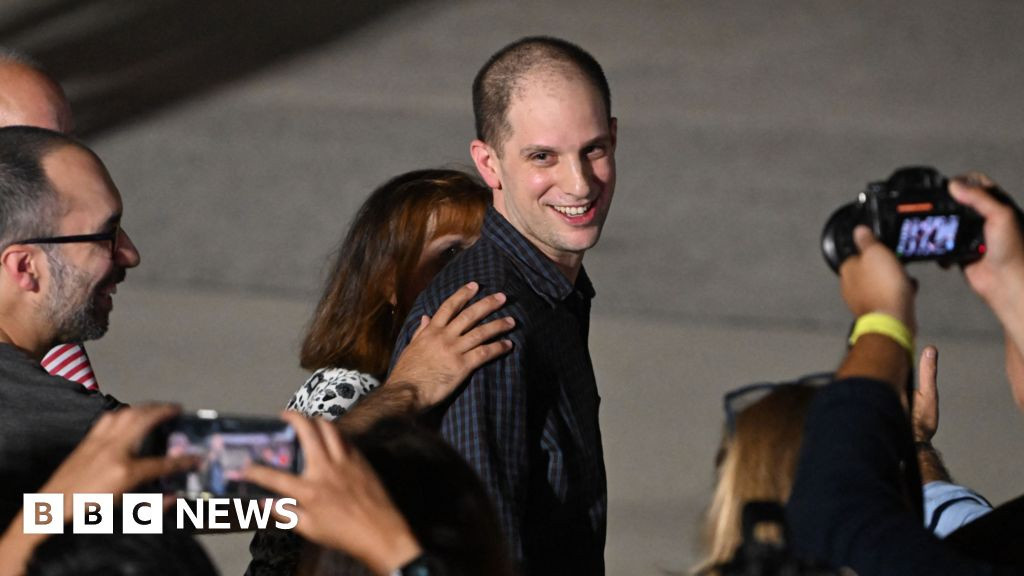
Gershkovich, who was sentenced to 16 years in prison, was released after 16 months as part of a high-profile prisoner swap. He had been living in Russia since 2017 as the Wall Street Journal's foreign correspondent when he was arrested in Yekaterinburg while meeting someone he believed was a source for a story. The arrest unfolded dramatically, with FSB agents confronting him in a dining hall. He noted the odd phrase used by the agents, which effectively immobilized him in that moment.
Reflecting on his time in prison, Gershkovich described the isolation he experienced in Lefortovo jail, known for holding high-profile inmates. He acknowledged the psychological toll of confinement but mentioned that he was treated relatively well compared to others who faced harsher conditions. He aimed to project defiance during court appearances, aware that his case was fabricated, and sought to counter the narrative being constructed by the Russian government.
Media Spotlight on Gershkovich's Case
Gershkovich's case garnered significant media attention, with his image appearing on billboards and statements from world leaders emphasizing the importance of his release. He believed that the attention was part of Moscow's strategy to use him as a bargaining chip in international negotiations. He compared his situation to that of other journalists who suffered greatly in Russian custody, highlighting the varying experiences of detainees.
Final Assessment
As he awaited the prisoner swap, Gershkovich felt a mix of anticipation and dread, knowing that each day in captivity was a test of endurance. When the swap finally occurred on August 1, 2024, he experienced overwhelming joy, but that was soon followed by the challenge of reintegrating into normal life after such a traumatic ordeal. He has since sought therapy for post-traumatic stress and has begun writing about his experiences.
Despite his deep connections to Russia, including family ties and friendships, Gershkovich remains uncertain about returning to the country under the current regime. He expressed hope for a future change in leadership but acknowledged the unpredictability of the political landscape.