US Military to Secure Midterm Elections Following Cybersecurity Agency Cuts
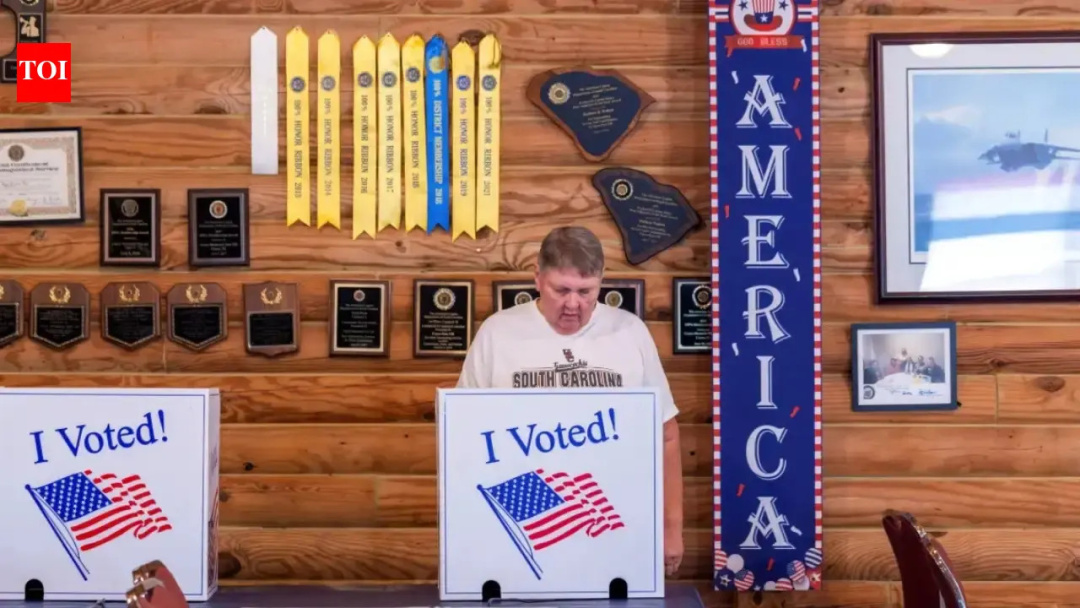
The US military, including the National Security Agency (NSA) and other cyber units, will play a crucial role in protecting American election systems during the upcoming midterm elections. This announcement, made by Defense Secretary Pete Hegseth, comes in light of significant cuts to the Cybersecurity and Infrastructure Security Agency (CISA), which was designed to safeguard critical infrastructure, including election systems.
Election systems were designated as critical infrastructure in 2017, allowing for increased federal cybersecurity support. However, recent changes have diminished CISA's capacity to protect these systems effectively. Hegseth's statement indicates that military intelligence and cybersecurity agencies will step in to monitor and defend against potential hacking attempts as early voting begins ahead of Election Day on November 3.
The decision to involve military resources follows a series of cuts to CISA, which has raised concerns among election experts and civil rights groups. David Becker, a former US Justice Department attorney, criticized the timing of the military's involvement, suggesting that dismantling the federal government's election cybersecurity capacity undermines genuine efforts to assist state and local officials. Becker expressed skepticism about the military's role, implying that it may be more of a public relations move than a substantive solution.
Case Closed
Concerns about potential government interference in the electoral process have been exacerbated by former President Donald Trump's unsubstantiated claims of widespread election fraud. Critics worry that the military's involvement could lead to undue influence over voting and ballot-counting processes. In a memo issued on September 22, Hegseth directed defense intelligence officials to utilize all available resources to protect election systems from foreign threats, emphasizing the need to ensure that every lawful voter can cast their ballot without fear of intimidation or coercion.
As the military prepares to assist in securing the elections, the implications of this shift in responsibility from civilian to military oversight remain a topic of debate. The involvement of military cyber capabilities alongside existing state and federal efforts aims to bolster the security of voting infrastructure, but it also raises questions about the balance between security and the integrity of the electoral process.