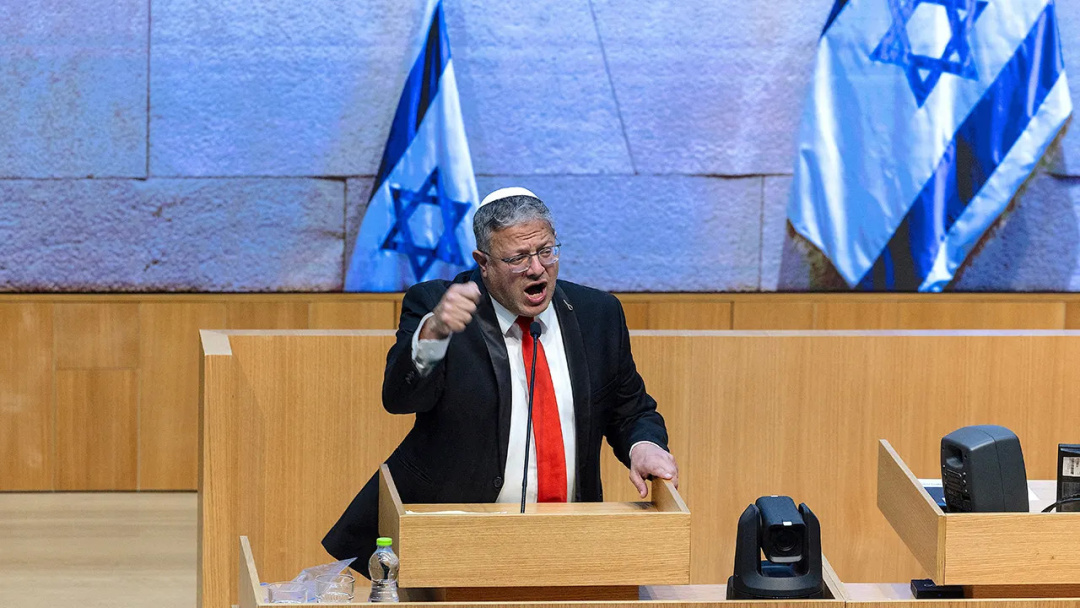
Itamar Ben-Gvir's Controversial Visit to Al-Aqsa Mosque Compound
Israeli National Security Minister Itamar Ben-Gvir has led a significant incursion into the Al-Aqsa Mosque compound in Jerusalem. This event occurred on Sunday, coinciding with the Jewish holiday of Sukkot. Ben-Gvir, who is the leader of the far-right Otzma Yehudit party, was accompanied by a heavily armed security detail and a crowd of Israeli civilians. Reports indicate that a total of 1,143 Israelis entered the compound in several groups, as stated by the Jerusalem Governorate of the Palestinian Authority.
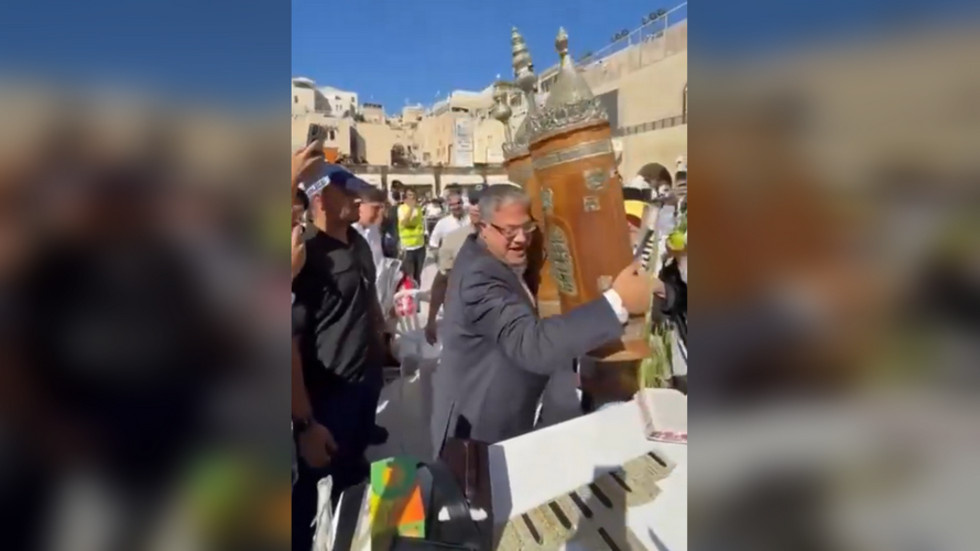
During his visit, Ben-Gvir was seen brandishing a large Torah scroll and performing Talmudic rituals, which drew cheers from onlookers. Shortly after his entrance, he further stirred controversy by releasing footage on social media of himself confronting Hassan Salameh, a high-profile Palestinian prisoner. Salameh, who has been imprisoned by Israel for three decades, is believed to be a senior figure in Hamas and was involved in the 1996 terrorist attacks, including a bus bombing.
In the footage, Ben-Gvir, flanked by armed guards, is seen meeting Salameh in a small room, where he reportedly threatened, "I want to kill you. I want to execute you." Ben-Gvir claimed that the encounter left Salameh feeling "trembled and terrified." This incident has been met with strong condemnation from various rights organizations, which labeled Ben-Gvir's actions as abusive and inhumane. The Palestinian Prisoners’ Media Office described the confrontation as a "criminal act" and criticized it as cheap political theatrics.
Final Brief
Ben-Gvir is known for his hardline stance on security issues and has been a key proponent of the recently enacted Death Penalty for Terrorists Law. This legislation grants Israel extensive powers to execute individuals convicted of terrorist activities, a move that critics argue disproportionately affects Palestinians while exempting Jewish Israelis. The law mandates that the death penalty be carried out within 90 days of sentencing, without the possibility of appeal.
The far-right minister's inflammatory rhetoric towards Palestinians and his heavy-handed approach to prisoners have drawn international scrutiny, leading to sanctions from multiple countries. His actions at the Al-Aqsa compound and the subsequent confrontation with Salameh have reignited tensions in an already volatile region, raising concerns about the implications for Israeli-Palestinian relations.