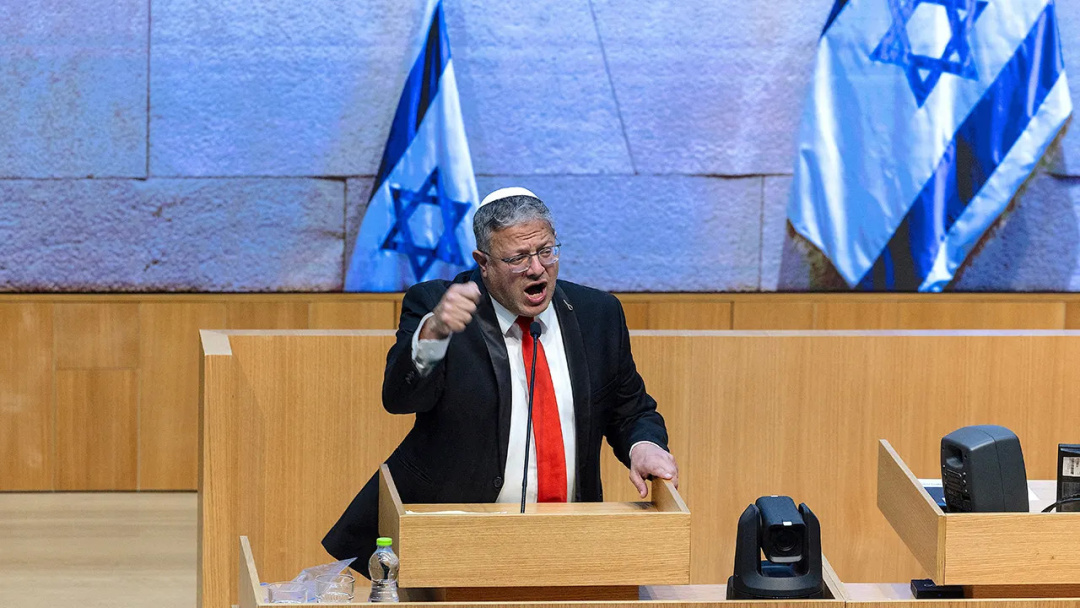
Itamar Ben-Gvir Leads Israeli Group in Al-Aqsa Mosque Incursion
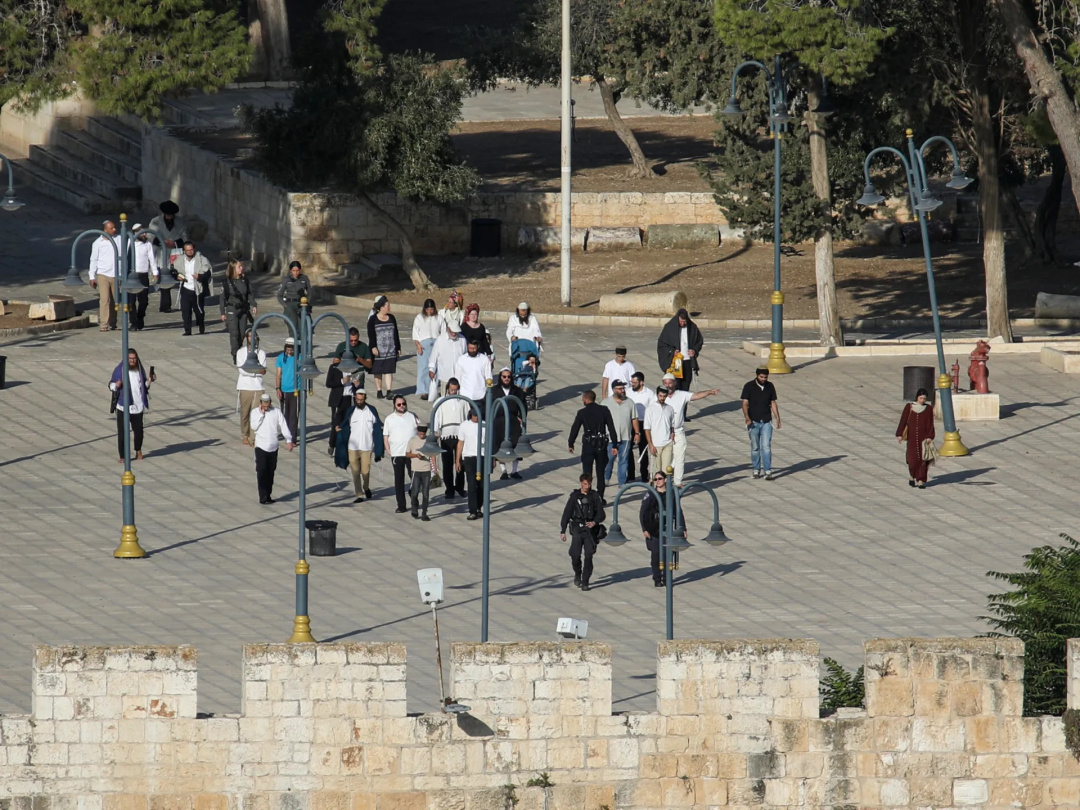
Hundreds of Israelis, led by far-right National Security Minister Itamar Ben-Gvir, stormed the Al-Aqsa Mosque compound under police protection. This incident occurred on the third day of the Jewish holiday of Sukkot, as Israeli forces closed off streets and intersections surrounding the Old City of Jerusalem, which leads to the compound, also known as the Temple Mount to Jews.
During the incursion, participants were seen dancing and singing in the courtyards of the mosque, with reports indicating that around 900 individuals entered the site in the morning. Ben-Gvir made a provocative statement, asserting, "We are the owners of the place in Al-Aqsa and in the prisons, and we have turned the lives of terrorist prisoners into hell." He further declared that the people of Israel are on a path to victory, emphasizing the significance of Al-Aqsa as the most important site for the Jewish people.
The incursion led to significant disruptions for Palestinian residents and businesses in the area. Israeli authorities enforced closures on dozens of shops and cafes, particularly in the Cotton Merchants Market, to facilitate Jewish prayers during the holiday. The Association for Civil Rights in Israel reported that Palestinian shopkeepers were forced to shut down their establishments.
Palestinian presidential spokesman Nabil Abu Rudeineh condemned the incursion, labeling it a dangerous provocation that could incite a religious war. He expressed concern that such actions could inflame tensions among Muslims globally.
Access Restrictions and Historical Context
Since 2003, Israeli police have permitted groups of Israelis to enter the Al-Aqsa Mosque compound daily, with exceptions on Fridays and Saturdays. However, restrictions on Palestinian worshippers have been common, including limiting access during significant religious events. For instance, during this year's Eid al-Fitr, only 10,000 Palestinians from the occupied West Bank were allowed entry to one of Islam's holiest sites for the first Friday prayers of Ramadan.
Final Assessment
The ongoing tensions surrounding the Al-Aqsa Mosque compound highlight the delicate balance of religious and national identities in the region. The site is a focal point for both Jewish and Muslim communities, and actions taken by Israeli officials often exacerbate existing conflicts. The international community continues to watch closely as incidents like this could have broader implications for peace and stability in the area.
As the situation develops, the responses from both Israeli and Palestinian leaders will be crucial in determining the future of the Al-Aqsa Mosque compound and its significance in the ongoing Israeli-Palestinian conflict. The potential for escalation remains high, and diplomatic efforts may be necessary to mitigate further tensions.