The CIA's Manual of Deception: Insights from a Stage Magician
John McLaughlin, who served over 30 years at the CIA, draws intriguing parallels between the worlds of stage magic and espionage. He believes that the skills required for both professions share deeper commonalities than one might expect. McLaughlin, a lifelong amateur magician, recalls his early fascination with a magic manual titled "Quicker Than the Eye" by John Mulholland, who was not only a magician but also contributed significantly to CIA operations.
In 1953, Mulholland transitioned from editing a magician's trade magazine to working for the CIA, a move that coincided with the agency's formative years. The CIA was still defining its mission to prevent foreign attacks and counter the spread of communism. McLaughlin notes that the techniques of misdirection and disguise employed by magicians are invaluable to intelligence officers, who must evade detection while conducting their operations.
He emphasizes that just as a magician's methods must remain hidden from a discerning audience, intelligence officers must also operate under the radar to successfully pass messages and materials without being noticed. Furthermore, analysts within the CIA must be adept at recognizing deception, as they often work with incomplete information and face adversaries who aim to mislead them.
Navigating the Deceptive Landscape
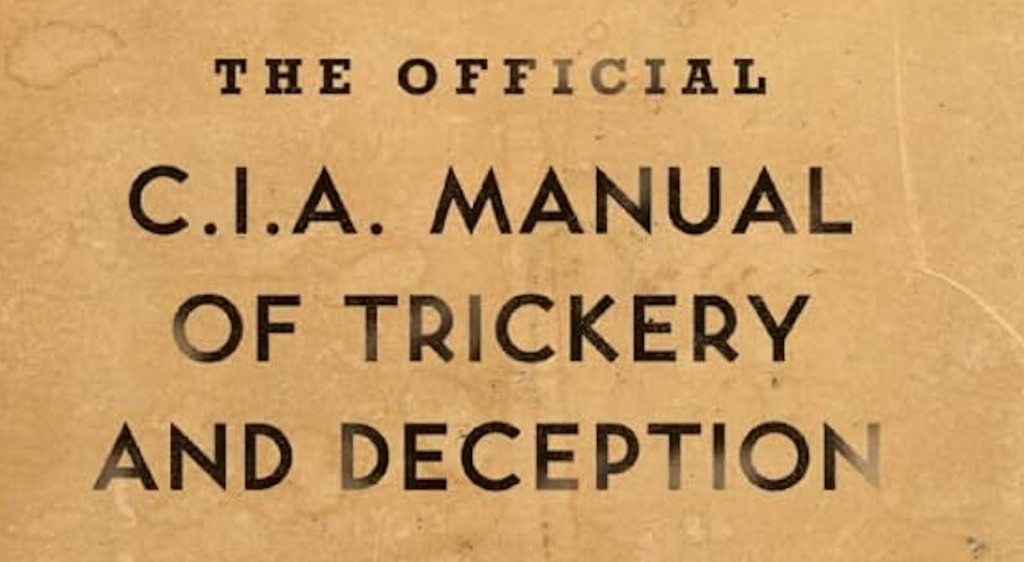
The phrase "wilderness of mirrors" used by counterintelligence specialists aptly describes the complex environment in which they operate, a sentiment that resonates with professional illusionists. Mulholland's manuals, which were believed to have been destroyed in 1973, unexpectedly resurfaced during a declassification process in the 2000s. They were later published as "The Official CIA Manual of Trickery and Deception" by historians H. Keith Melton and Robert Wallace.
Final Assessment
The Boston Globe previously illustrated some of Mulholland's techniques, such as using a method akin to a magician's trick to transport spies or discreetly administering substances. In a world rife with espionage and intrigue, Mulholland's work serves as a historical guide to the art of deception. His insights into the practical applications of stagecraft in intelligence operations reveal how timeless techniques can be adapted for modern challenges.
As the landscape of espionage evolves, the principles of misdirection and disguise remain relevant, reminding us that the best magicians can always re-enchant their tricks for new contexts.