Exploring the Neurological Implications of Havana Syndrome
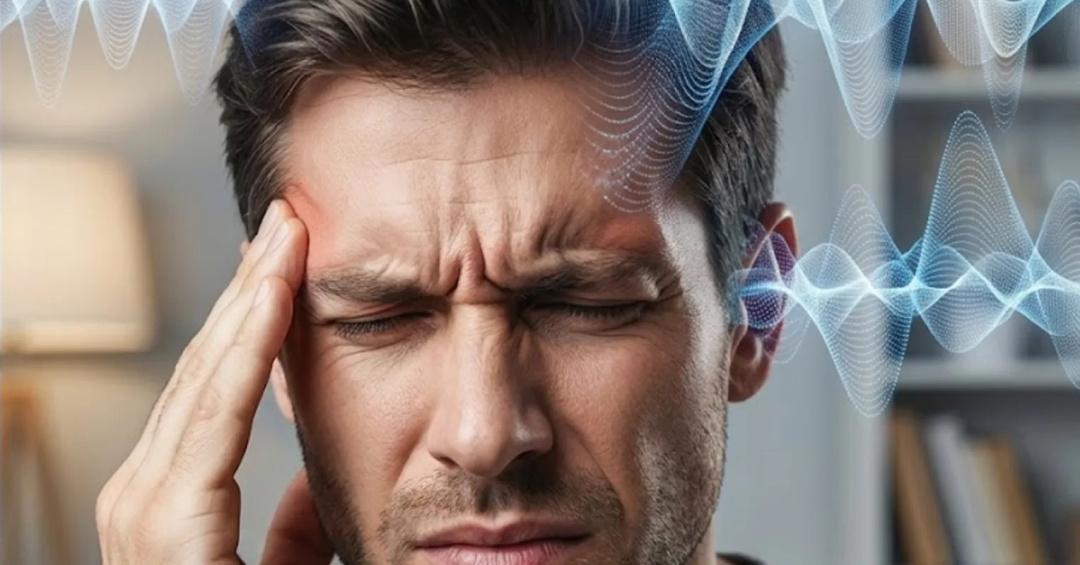
Havana syndrome, or anomalous health incidents (AHI), refers to a range of symptoms reported by U.S. National Security employees, including sudden vertigo, headaches, and loud noises. Many victims of AHI experience chronic symptoms such as imbalance, tinnitus, insomnia, and cognitive difficulties. Neurologists who have assessed these individuals describe the symptoms as resembling those associated with concussions or mild traumatic brain injuries.
Dr. Chris Gilbert and I have interviewed numerous victims and consulted for the U.S. government on AHI. We are currently conducting laboratory research on this phenomenon, utilizing advanced RF, thermal, and finite element simulations to study the head, brain, and inner ear.
Two expert panels, including those from the National Academy of Sciences and the Intelligence Community, have concluded that the most likely cause of AHI symptoms is exposure to pulsed microwaves. These microwaves can create shockwaves in the brain due to rapid local heating, which can manifest as various auditory sensations reported by AHI victims, such as clicks and hums. This auditory phenomenon is one reason pulsed microwaves are considered a leading candidate for causing AHI symptoms.
While the hypothesis linking pulsed RF exposure to AHI injuries has not been definitively proven, its accuracy could have significant implications for understanding how wireless radiation affects the brain. A 2021 study from the Army Research Lab indicated that a single RF pulse at 1 GHz could inflict concussion-like trauma with a power density of 10,000 Watts/cm². Although this power level is substantial, it would not be felt as heat if delivered in brief pulses, suggesting that current safety standards may not adequately protect against potential harm from such exposures.
Data from AHI victims suggest that even lower peak power densities could be harmful. Many victims report experiencing high-pitched tones, which align with findings from microwave hearing experiments conducted at high pulse rates. Notably, victims reporting these sounds did not describe sensations of heat, indicating that the average power in the exposure—if caused by RF pulses—would be below the heat detection threshold.
Understanding Power Density and Neurological Effects
Assuming 1-microsecond pulses at a rate of 1,000 pulses per second, the highest peak power density that would avoid the perception of heat is approximately 65 Watts/cm². This level is significantly lower than the power density associated with a football collision, yet the symptoms reported by AHI victims suggest that even this level of exposure could lead to brain injury through mechanisms not yet fully understood.
Research into the stretching of neurons in tissue cultures indicates that tissue fatigue could result from repeated strain during rapid cycles of compression and expansion, even when individual strains are below the injury threshold. This concept is supported by studies in other tissues, such as tendons, which show that cumulative damage can occur from repeated low-level strains.
The implications of these findings are particularly relevant given the differences in wireless power levels permitted in various countries. For instance, Russia's average wireless power level is set at 0.0001 Watts/cm², significantly lower than the U.S. standard. This discrepancy raises questions, especially since Russian intelligence has been implicated in suspected AHI attacks.
Cleared for Release
The potential for harm from wireless exposure at levels allowed by safety standards does not imply that everyday exposure to devices like Wi-Fi or cellphones is harmful. If AHI is indeed caused by pulsed microwaves, the injury would stem from the peak power of each pulse rather than the average exposure. Devices capable of producing sound within a person's head emit microsecond bursts with instantaneous power far exceeding that of consumer devices, which radiate weakly and irregularly without resembling the weaponized pulse structure.
The ongoing investigation into Havana syndrome highlights the need for a reevaluation of wireless safety standards. As research continues, understanding the potential neurological impacts of pulsed microwave exposure will be crucial in shaping future regulations and ensuring the safety of individuals in sensitive positions. The findings from AHI victims and the research surrounding them underscore the importance of addressing these health concerns with urgency and thoroughness.