Iran's IRGC Captures US Underwater Drone in Hormuz
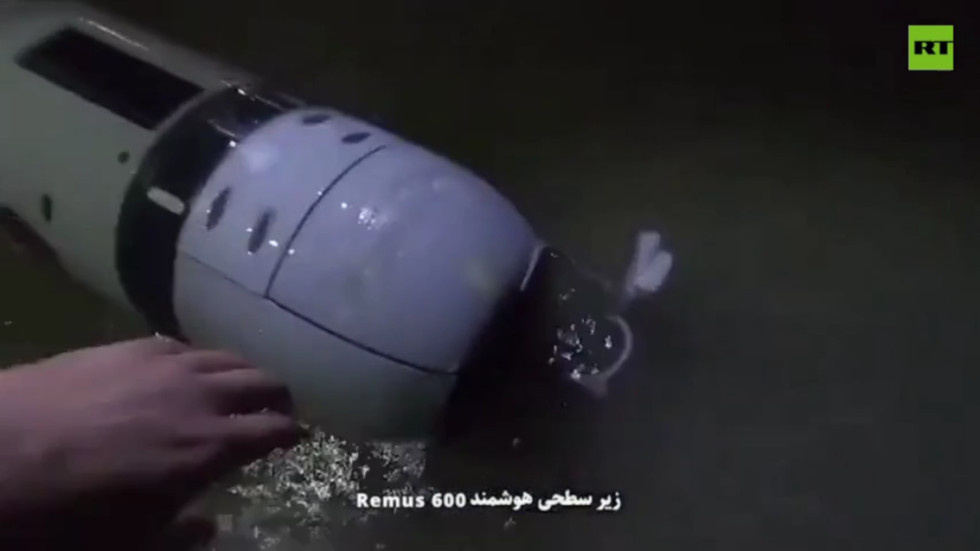
Iran's Islamic Revolutionary Guard Corps (IRGC) has reported the capture of a US autonomous underwater vehicle in the Strait of Hormuz. This incident marks the second time this month that such a drone has been seized. According to a statement from the IRGC Navy, the Remus 600 drone was allegedly conducting espionage in the strategically vital waterway.
The IRGC released footage showing the drone being lifted from the water and indicated that specialists are currently working to recover its data. The military has emphasized that the Strait of Hormuz remains "closed" to unauthorized vessels, asserting its commitment to confronting what it describes as dangerous movements in the area. As of now, the US has not issued a comment regarding this incident.
This latest capture follows a series of drone-related incidents in the Strait of Hormuz earlier this month. In early September, Iran claimed to have seized another US underwater drone, which was identified as an Anduril-built Dive-LD. The Pentagon acknowledged the loss of this submersible but stated that it was an older model that did not carry sensitive data or classified equipment. Shortly thereafter, the IRGC reported the destruction of a US Saildrone Explorer, releasing footage of the craft ablaze in the water. Additionally, the US military recently thwarted an attempt by the IRGC to seize another Saildrone, resulting in the destruction of two Iranian boats allegedly involved.
Escalating Maritime Tensions in the Region
These incidents are occurring against the backdrop of escalating maritime tensions between Washington and Tehran. The US has accused the IRGC of firing ballistic missiles at US warships and has destroyed several Iranian oil tankers in response. In turn, Iran has targeted US vessels and commercial tankers that it claims have violated restrictions in the Strait of Hormuz. Recent reports indicate that the US has increased its military presence in the region, with reconnaissance aircraft spotted near Iranian territory and additional fighter jets deployed.
Approved for Dissemination
Diplomatic efforts to resolve the ongoing deadlock between Iran and the US appear to have faltered. At the recent UN General Assembly, Iran's Foreign Minister Abbas Araghchi proposed a seven-day plan to reopen the Strait of Hormuz and resume nuclear negotiations, contingent upon the lifting of the US naval blockade, easing restrictions on Iranian oil exports, and a ceasefire that includes an end to Israeli operations in Lebanon. However, US President Donald Trump dismissed the proposal as "unacceptable," claiming that Iran is seeking a deal due to its weakened position.
In a statement to reporters, Trump expressed his rejection of the Iranian proposal, asserting that Tehran is losing significantly. He also mentioned facing a "big decision" regarding whether to take military action against Iran if negotiations do not progress. Meanwhile, Major General Amir Hatami, Iran's top army commander, stated that the "war is not over," claiming that Tehran has won the initial phase of the conflict but must now consolidate its victory.