US-Iran Conflict Impacts Crypto Markets and GOP Unity
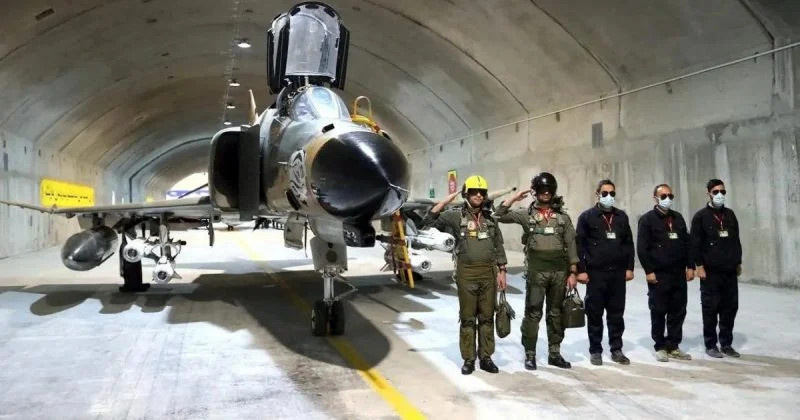
The military confrontation between the US and Iran has entered its second night, causing ripples across financial markets. Bitcoin has dipped below $62,000, reflecting a decline of approximately 1-5% as investors react to the escalating conflict. Oil prices remain high, with concerns about supply disruptions from the Strait of Hormuz, a critical passage for global oil transport.
The US Central Command launched strikes on over 80 Iranian military targets on July 7-8, following the breakdown of a ceasefire that had been established just weeks earlier. President Trump declared the ceasefire over, prompting Iran to retaliate by targeting US military installations in Kuwait and Bahrain.
The conflict's roots trace back to February 2026, when tensions began to rise around the Strait of Hormuz. Iran's actions against commercial shipping in this vital waterway, which handles about 20% of the world's oil supply, have led to a series of escalating military responses from the US.
As of July 9, Bitcoin was trading between $62,657 and $62,907, while Ethereum has also faced downward pressure. Earlier in 2026, oil prices surged above $100 per barrel due to fears of disruptions in the Strait of Hormuz, which could have far-reaching effects on global supply chains.
Within the Republican Party, some members are beginning to voice opposition to Trump's Iran policy, questioning the legal authority under which military strikes are being conducted. This internal dissent highlights a fracture in GOP unity regarding foreign policy.
The ongoing conflict has reignited discussions about the role of cryptocurrencies in sanctions evasion, providing ammunition for lawmakers advocating for stricter regulations on digital asset transactions. As oil prices serve as a leading indicator of market stability, continued disruptions in the Strait of Hormuz could exert further pressure on risk assets.
Market participants are currently adopting a cautious approach, as traditional diplomatic avenues to de-escalate the situation have already failed once. The unfolding events are likely to keep investors on edge as they navigate the implications of this geopolitical crisis.