Bitget Plans IPO Despite $387.5 Million Security Breach

Bitget, a cryptocurrency exchange, has announced its intention to proceed with its initial public offering (IPO) plans despite experiencing one of the largest hacks in the industry, resulting in a loss of $387.5 million. CEO Gracy Chen confirmed that the company aims to go public within the next three years, even as it grapples with the fallout from the breach.
The security breach was detected on September 24, 2026, at 18:31 UTC, when unauthorized withdrawals drained funds from both hot and warm wallets using spoofed transaction data. Among the stolen assets were approximately 103 million XRP, valued at around $157 million, along with Ethereum (ETH) and Tether (USDT). Fortunately, cold wallets remained secure, and no private keys were compromised.
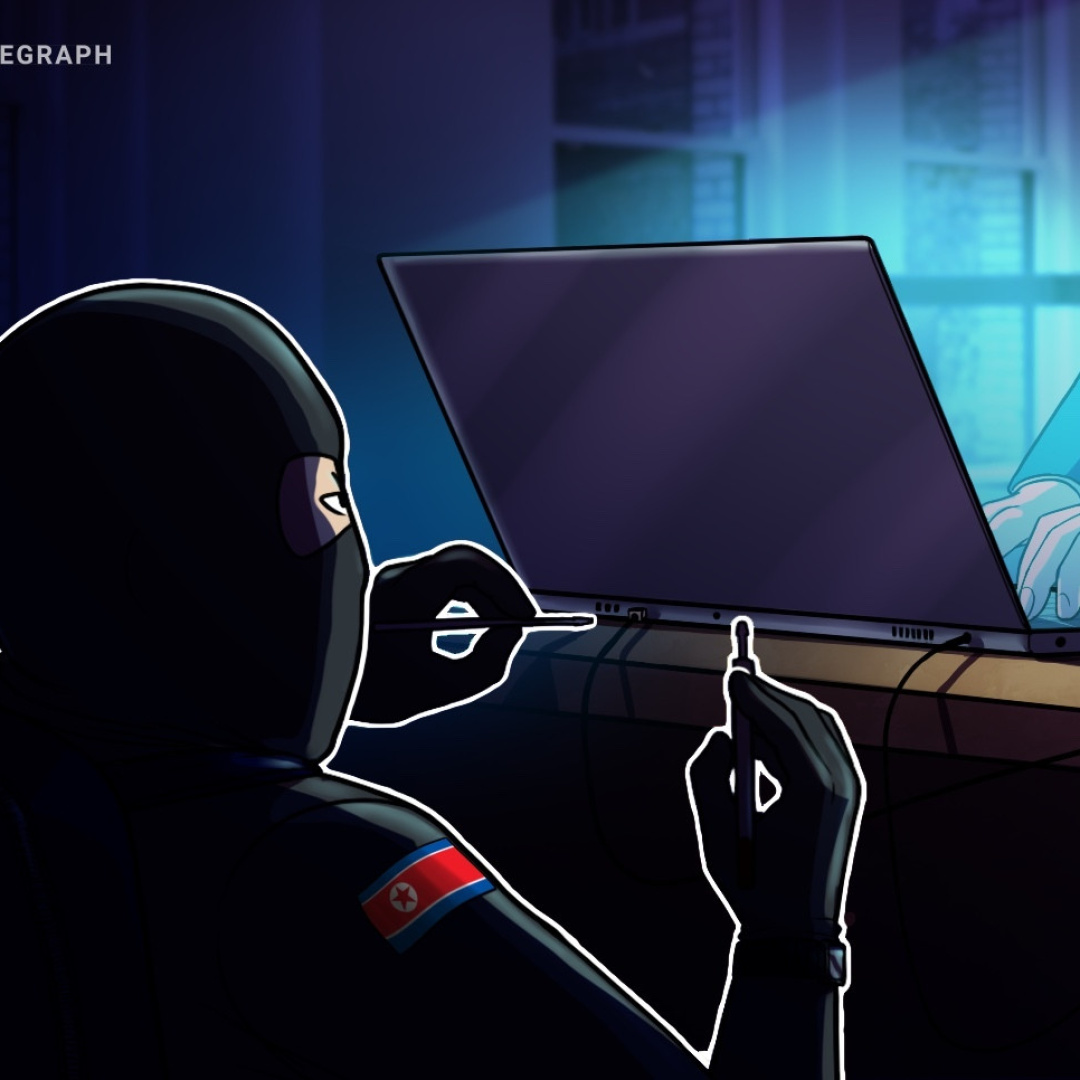
Initially, the estimated damage was reported at $351.6 million, but this figure was later revised to $387.5 million after Bitget recovered additional assets on the Zcash and TRON networks. Chen noted that the attack bore similarities to previous operations linked to North Korean hacking groups, based on analysis of IP addresses and transaction patterns. In response, Bitget has informed law enforcement and initiated an on-chain tracing effort to track the stolen funds.
To address the breach, Bitget has engaged cybersecurity firms Mandiant and SlowMist to investigate the incident and strengthen its security measures. As a precaution, withdrawals from the platform have been suspended while the company works to enhance its defenses.
User Protection Fund Ensures Compensation
Despite the challenges posed by the breach, Bitget maintains a User Protection Fund exceeding $464 million, which is designed to cover losses in situations like this. This fund will fully compensate the $387.5 million lost, ensuring that affected users will be reimbursed, with approximately $76 million remaining in reserve.
Cleared to File
Chen has acknowledged that 2026 presents significant challenges for cryptocurrency companies seeking public listings, particularly due to competition from sectors like artificial intelligence and space technology, which are attracting substantial investment. The three-year timeline for Bitget's IPO allows the company to recover from reputational damage and demonstrate the effectiveness of its security enhancements.
As the company prepares for its IPO, it will need to disclose the details of the breach in its prospectus, including how it managed the aftermath, the speed of user reimbursements, and the effectiveness of its security upgrades. These factors will be critical in shaping investor perceptions and the overall success of the IPO.