Warren Criticizes Clarity Act as Pathway for Sanctions Evasion
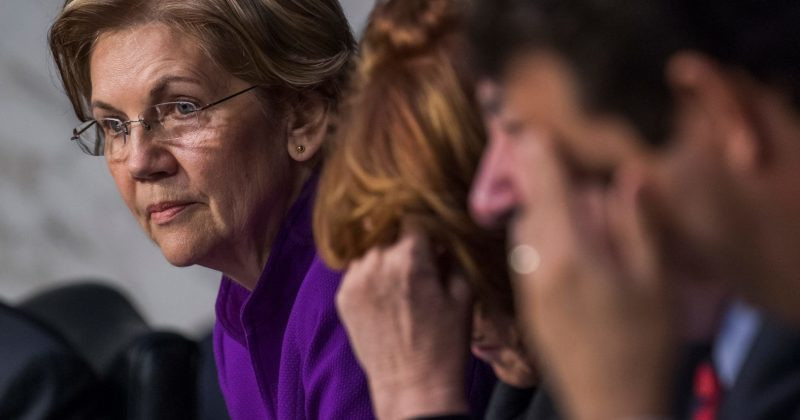
Senator Elizabeth Warren has taken a firm stance against the Digital Asset Market Clarity Act, calling it a "ticket to sanctions evasion". This criticism comes as a report from blockchain analytics firm TRM Labs reveals that approximately $3.84 billion in Iranian funds have been funneled through the cryptocurrency exchange CoinEx since 2019. Warren's comments are strategically timed, as the bill has been awaiting action in the Senate since June 1, 2026.
Warren has consistently argued that the cryptocurrency sector provides avenues for rogue states and terrorist organizations to circumvent U.S. financial regulations. The CoinEx data serves as a tangible example for her claims, moving beyond hypothetical scenarios that opponents might easily dismiss. However, it is important to note that the funds in question were transferred under the existing regulatory framework, not the one proposed by the Clarity Act.
The Clarity Act, which passed the House with a 294-134 vote on July 17, 2025, aims to establish a comprehensive federal framework for digital asset oversight, delineating responsibilities between the SEC and CFTC. The Senate Banking Committee advanced the bill on May 14, 2026, with a 15-9 vote. Senator Cynthia Lummis, a key supporter of the legislation, has countered Warren's assertions by highlighting that the bill includes over 16 safeguards against money laundering and sanctions evasion. Lummis argues that the Clarity Act would enhance enforcement by providing regulators with clear authority, addressing the current jurisdictional ambiguities.
During committee discussions, Warren proposed several amendments, including one targeting a "tokenization loophole" that could potentially allow sanctioned assets to be restructured as digital tokens. However, these amendments did not pass.
As the bill remains stalled on the Senate calendar, the August recess looms, and several unresolved issues continue to hinder progress. These include how the legislation will address decentralized finance (DeFi) protocols and whether additional ethics provisions should be included. The challenge with DeFi lies in its lack of intermediaries, such as banks and exchanges, which are typically responsible for enforcing sanctions by blocking transactions.
The irony of Warren's position is that the regulatory gap she seeks to maintain is the same environment that has allowed significant amounts of sanctioned funds to flow through exchanges like CoinEx. The outcome of this legislative battle could significantly impact the future of cryptocurrency regulation in the U.S.