House Judiciary Report Accuses Jack Smith and Biden DOJ of Spying on GOP
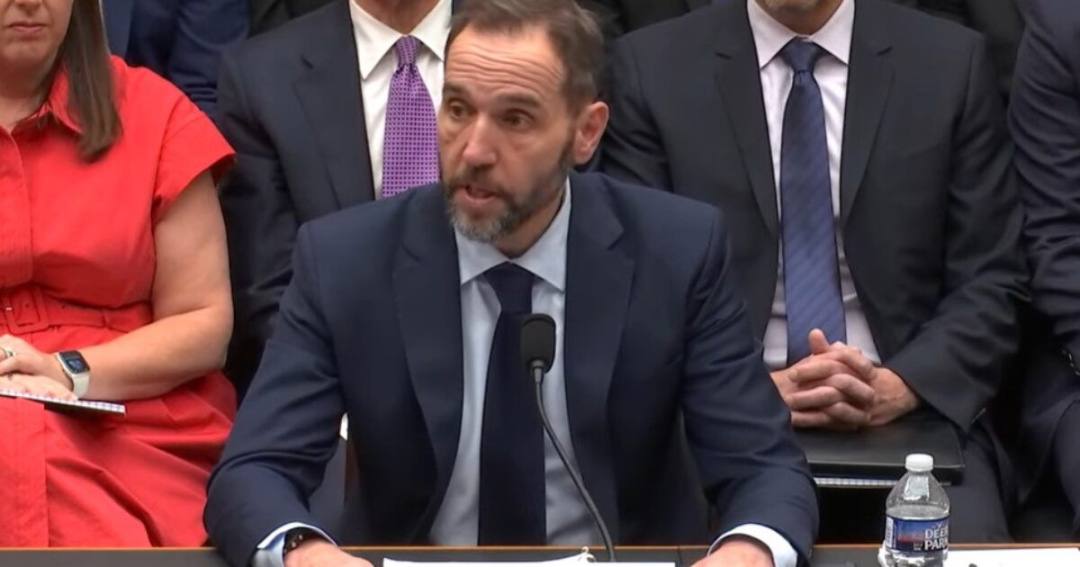
A new report from House Judiciary Chairman Jim Jordan has raised serious allegations against Special Counsel Jack Smith, claiming he coordinated with the Biden Department of Justice (DOJ) to spy on political opponents. The report details how investigators allegedly subpoenaed phone records belonging to 44 Republican lawmakers during the Arctic Frost investigation, which was focused on the 2020 election. Furthermore, it is claimed that gag orders were issued to prevent these lawmakers from discovering that their phone records had been obtained by the Biden DOJ.
The documents released by Republicans indicate that the actions taken during the investigation may have violated constitutional protections. Transcripts from members of Jack Smith's team reveal interactions with the White House, suggesting a level of coordination that raises ethical concerns. One member of Smith's team, J.P. Cooney, confirmed under questioning that he had interactions with a staff member from the White House Counsel’s Office.
The report highlights that the subpoenas and gag orders were obtained ex parte, meaning that only the prosecutors presented their case to the grand jury and judge, leaving the affected lawmakers without a chance to challenge the actions taken against them. This lack of transparency is particularly troubling, as it undermines the constitutional rights of the lawmakers involved.
Concerns Over Constitutional Violations
According to the report, Special Counsel Smith's team did not adequately consider the constitutional implications of their actions. They reportedly acknowledged that the subpoenas might be unconstitutional but proceeded to issue them anyway. This raises significant questions about the integrity of the investigation and the motivations behind it.
Clearance Granted
The House Judiciary Committee has expressed that these actions could represent a serious abuse of power, potentially weaponizing law enforcement to target political adversaries. In response to these findings, the Committee has introduced the Congressional Records Protection Act, aimed at safeguarding the separation of powers and preventing future violations of constitutional rights.
The implications of this report are profound, as it calls into question the conduct of federal investigations and the extent to which political motivations may influence legal actions. The Committee is committed to pursuing the truth regarding these allegations and ensuring accountability for any misconduct that may have occurred during the investigations.