DOJ Defends Trump's Ban on News Outlets Citing National Security
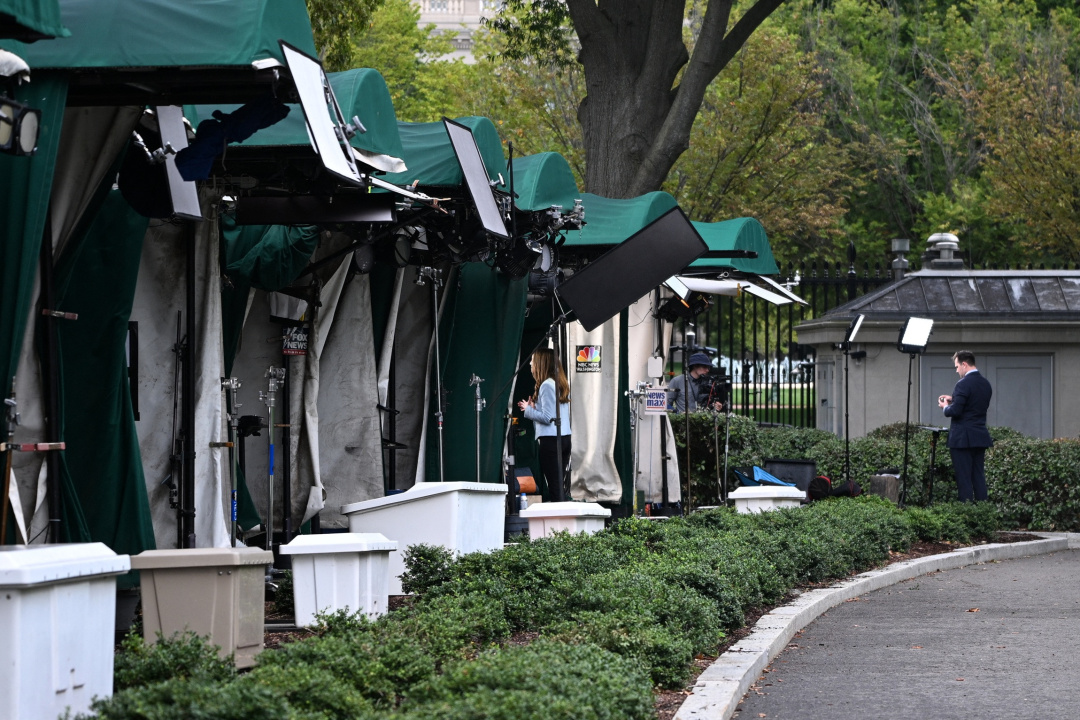
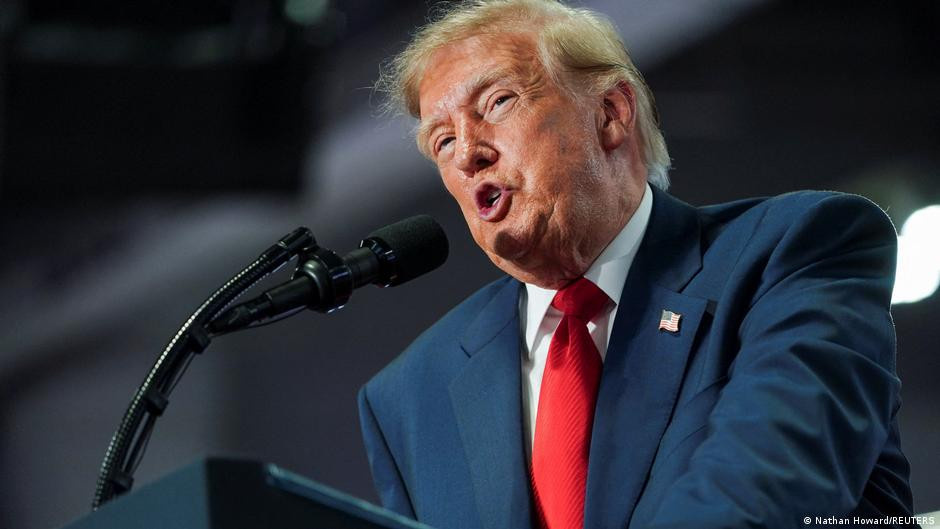
The U.S. Department of Justice (DOJ) has submitted a legal filing asserting that President Donald Trump possesses the authority to prohibit specific media outlets from accessing the White House, citing national security as the rationale. This ban, which impacts CNN, MS NOW, and Politico, was announced by Trump via a post on Truth Social, where he condemned these outlets for what he termed their continuous dissemination of 'FAKE NEWS.'
Trump has a history of labeling unfavorable coverage as 'fake news,' regardless of its factual accuracy. In a follow-up post, he reiterated his stance, claiming that such reporting poses a threat to national security that must be curtailed.
The DOJ's filing was a response to a joint lawsuit filed by CNN, MS NOW, and Politico, which seeks to challenge Trump's directive. The DOJ contends that access to the White House is a privilege granted to news organizations, and asserts that presidents have the legal right to determine who may enter. The filing emphasizes that Trump can impose 'minimum standards for bona fide journalists' while also safeguarding national security information.
In its argument, the DOJ criticized the news organizations for their reliance on anonymous sources, a practice that has long been a staple in journalism, including by Trump himself when he has criticized opponents. The DOJ's filing references specific reports from the affected outlets, including CNN's coverage of a bunker beneath the planned East Wing ballroom, MS NOW's investigation into leaks, and Politico's reporting on the use of Secret Service funds for security enhancements.
Debate Over Press Freedom and National Security
Critics have raised concerns about how the cited reports could jeopardize national security, noting that much of the information is already publicly accessible. Ryan Goodman, co-editor-in-chief of Just Security, characterized the reporting referenced in the DOJ's filing as protected under the First Amendment.
During a recent appearance at the United Nations, Trump confronted members of the press, including CNN's Kaitlan Collins, who attempted to question him about the war in Iran. Trump expressed surprise at CNN's presence, suggesting they should not be covering him, despite the fact that the United Nations had permitted their attendance.
Cleared for Release
Polling indicates that a significant majority of Americans disapprove of Trump's media ban. An Economist/YouGov poll revealed that only 32 percent of respondents supported the ban, while 58 percent opposed it, with nearly half of those surveyed expressing strong disapproval.
As the situation develops, the implications for press freedom and the relationship between the media and the Trump administration remain a critical area of concern for observers and advocates alike.