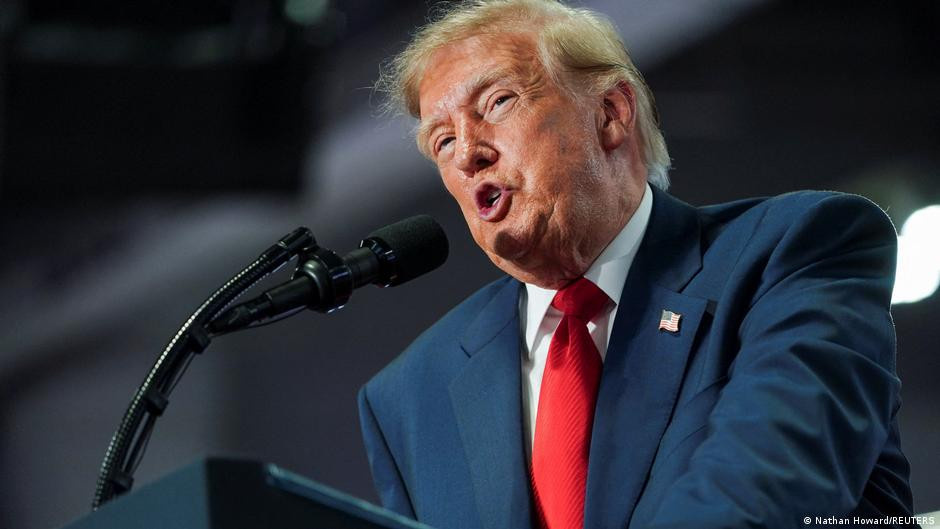
DOJ Defends Trump's Media Ban Citing National Security Concerns
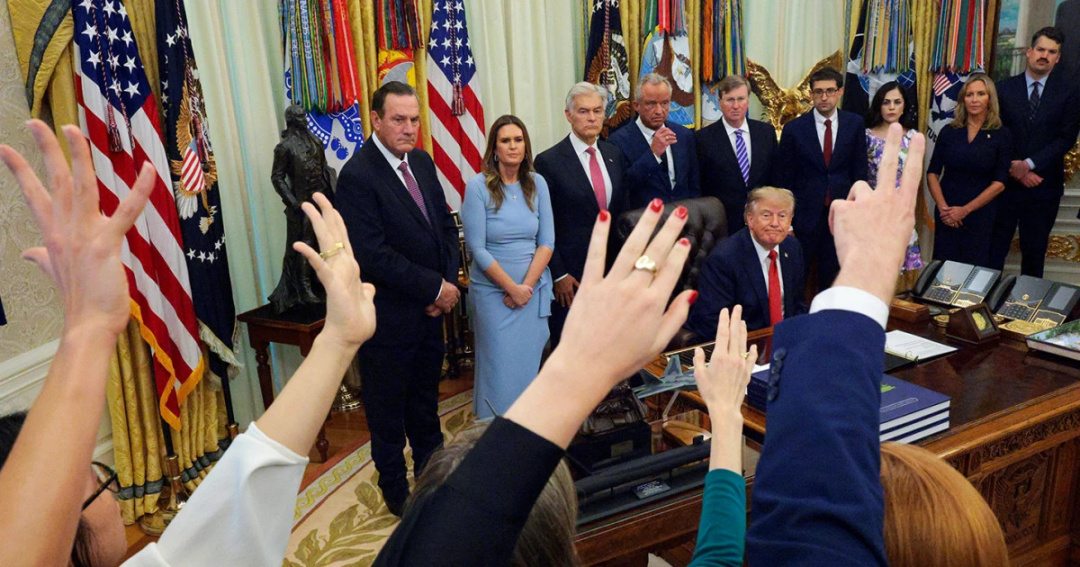
The Department of Justice stated in a court filing that President Donald Trump possesses the right to prohibit media outlets CNN, MSNOW, and Politico from accessing the White House, characterizing this access as a privilege and citing national security concerns. The filing urges a federal judge not to intervene against the ban, which is set to be discussed in a hearing soon.
The Trump administration contends that the ban does not breach First Amendment protections regarding press freedom. According to the DOJ, access to the White House is a privilege rather than an inherent right. The DOJ's attorney, Michael Velchik, noted that the three news organizations had not adhered to the expected standards of professionalism and decorum necessary for access to the White House Complex, including the publication of sensitive or classified information.
On the same day, the DOJ indicated that the news outlets received individual letters from the White House Press Office detailing the rationale behind the revocation of their press passes. These letters referenced a list of reporting incidents that the White House claimed posed threats to national security and disseminated false information. Specific examples included stories related to construction details of the East Wing bunker and funding for the White House ballroom.
The outlets were given a deadline to contest this decision, with the warning that failure to do so would render the decision final. The ban was initially announced by Trump via a post on Truth Social, where he expressed pride in the decision, attributing it to the outlets' ongoing dissemination of what he termed "fake news."
Media Outcry Over Trump's Decision
The response from the media community has been swift, with First Amendment experts and the White House Correspondents’ Association labeling the ban as unconstitutional. In a lawsuit filed by CNN, Politico, and MSNOW, the outlets argued that the president's actions violated their due process rights and First Amendment protections for newsgathering and speech.
Approved for Dissemination
U.S. District Judge Timothy Kelly, who has previously ruled against Trump in a similar case, is set to preside over the hearing. The judge will assess the outlets' request for a temporary restraining order to block the enforcement of the ban and restore their press credentials. Trump has indicated that he might allow the journalists back into the White House if a court rules against his decision.
As the situation unfolds, the solidarity among television networks has been notable, with many refusing to provide pool coverage of the president's activities, leading to a lack of visual documentation of his official engagements. Despite the ban on these specific outlets, print and radio pools remain operational, and other networks continue to cover White House events that are open to the press.