Justice Department Defends Trump's Media Ban Citing National Security
The Justice Department has come forward to defend President Trump's controversial decision to bar three news outlets—CNN, MS NOW, and Politico—from the White House. This move has been justified by the administration on the grounds that the reporting from these outlets raises significant national security concerns and that their journalists have failed to adhere to standards of professionalism and decorum expected from those granted access to the White House.
In a legal filing submitted to a federal district court in Washington, D.C., the Trump administration contended that the ban is legally sound. The Justice Department emphasized that access to the White House is a privilege rather than a right, reinforcing the administration's stance that it has compelling reasons for denying these reporters access. Among these reasons are the enforcement of minimum standards of professionalism and the necessity of safeguarding classified information.
The administration's argument includes the assertion that basic journalistic standards necessitate that reporters reach out for comments and provide a reasonable opportunity for responses before publishing sensitive information. The Justice Department highlighted that publishing classified and sensitive national security information constitutes a significant breach of decorum.
To bolster its case, the Justice Department submitted letters from the White House press office to the three news organizations, notifying them of the revocation of their press credentials. These letters accused the outlets of violating the expected standards of professionalism by disseminating verifiable falsehoods regarding national security and other issues, as well as publishing sensitive or classified information.
The White House has given CNN, MS NOW, and Politico until Friday at 5 p.m. to respond to these claims. This deadline appears to be an attempt to address the news organizations' assertions that the ban deprived them of due process, as they did not receive prior notice or an opportunity to contest the revocation of their credentials.
Lawsuit Challenges Trump's Media Restrictions
The affected news organizations have filed a lawsuit against President Trump and several top administration officials, describing the ban as a direct assault on the First Amendment and a blatant violation of fundamental constitutional principles. They are seeking a swift ruling from U.S. District Judge Timothy Kelly, who previously ruled in favor of CNN reporter Jim Acosta when his press credential was revoked during the first Trump administration.
The lawsuit argues that the ban violates due process rights because the president failed to provide any notice before implementing the ban, denying the organizations a chance to oppose it. Furthermore, the plaintiffs contend that the ban discriminates based on editorial viewpoint, aiming to coerce more favorable coverage from the affected outlets and deter other journalists from reporting unfavorably on the administration.
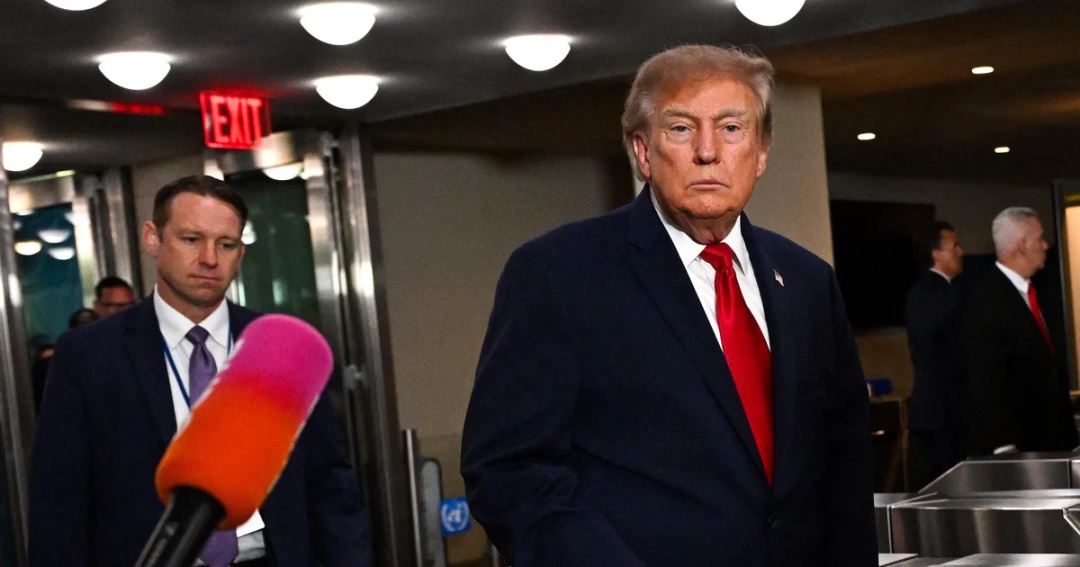
As the legal battle unfolds, the implications of this ban extend beyond the immediate access issues for the news organizations. The ban has already disrupted the flow of information, particularly as CNN is part of the television pool system that includes major networks like CBS, ABC, NBC, and Fox News. CNN's exclusion from a planned trip with President Trump to the United Nations General Assembly has led the other networks to suspend the television pool in solidarity with CNN.
Final Brief
The upcoming court hearing will be pivotal in determining whether the White House will be compelled to restore the credentials of the barred news organizations. The Justice Department's defense of the ban will be scrutinized, particularly in light of previous rulings that have upheld the rights of journalists to access the White House. The outcome of this case could set a significant precedent regarding press freedoms and the administration's ability to control media access based on perceived editorial bias.
As the situation develops, it remains to be seen how the court will balance the administration's claims of national security against the fundamental rights of the press. This case underscores the ongoing tensions between the Trump administration and the media, raising critical questions about the role of journalism in a democratic society and the protections afforded to the press under the First Amendment.