Vermont Man Convicted of Attempted Murder in Shooting of Palestinian Students
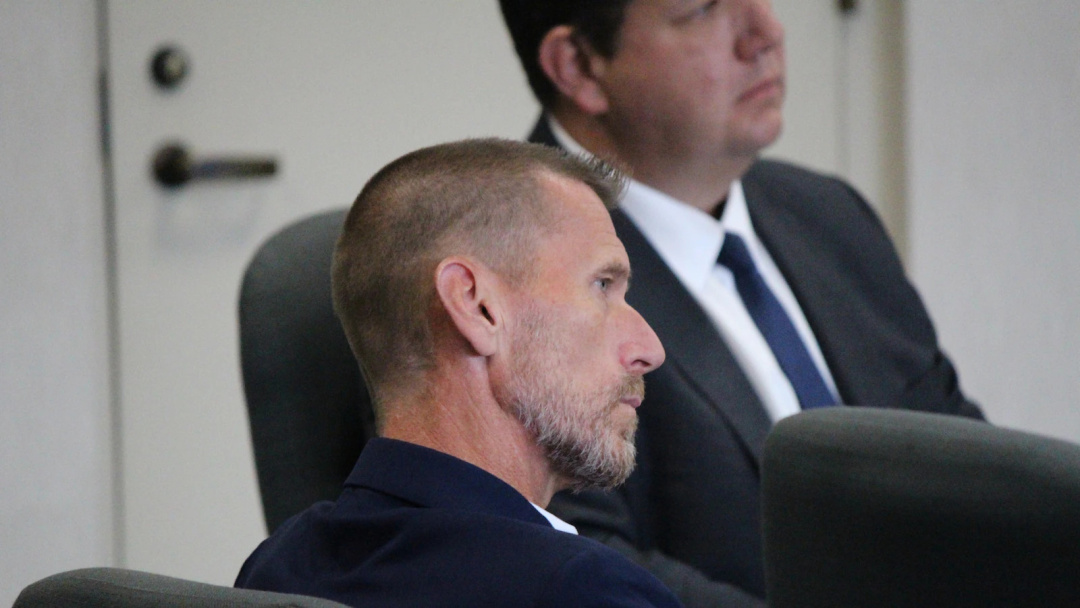
A jury has found Jason Eaton, a 51-year-old man from Vermont, guilty of attempted murder for the shooting of three Palestinian college students. The incident occurred near the University of Vermont campus in November 2023, and the jury's decision came after a weeklong trial. Eaton's defense argued that he was not guilty by reason of insanity, claiming he believed he was following orders from the CIA and Mossad. However, the jury rejected this defense.
The shooting left one of the students, Hisham Awartani, paralyzed from the waist down, while his friends, Tahseen Aliahmad and Kinnan Abdalhamid, sustained injuries. The jury deliberated for several hours before reaching their verdict, which has significant implications for Eaton, who now faces a potential life sentence.
During the trial, testimony was provided by the three victims and psychiatric experts. Eaton's lawyers contended that he was suffering from a delusional disorder, exacerbated by losing his job shortly before the shooting. They claimed that he believed he was receiving messages from intelligence agencies through FM radio, which compelled him to act violently.
The shooting incident, which occurred shortly after Thanksgiving, has drawn attention not only in Burlington but also in the West Bank, where the victims grew up. The case has sparked discussions about hate crimes, although no charges were filed in that regard. Questions remain about whether Eaton's actions were motivated by anti-Palestinian sentiment or a severe mental health crisis.
Eyewitness Accounts of the Incident
Eaton was taken into custody following the verdict, and sentencing has yet to be scheduled. Eyewitness accounts described a chaotic scene, with one neighbor recalling hearing gunshots and seeing the victims in distress. The case highlights ongoing tensions and concerns regarding violence against marginalized communities, particularly in the context of recent geopolitical events.
Final Assessment
The conviction of Eaton raises important questions about the intersection of mental health and criminal responsibility, especially in cases involving claims of delusional beliefs linked to national security agencies. As the legal proceedings move forward, the community and legal experts will be watching closely to see how this case influences future discussions on hate crimes and mental health defenses in violent crimes.
The outcome of this trial not only affects the victims and their families but also serves as a critical moment for the broader discourse on violence against individuals based on their ethnicity or background. As the legal system addresses Eaton's sentencing, the implications of this case will likely resonate within both local and national conversations about justice, mental health, and community safety.