Legislation Aims to Prevent Chinese Espionage in U.S. Automobiles
Recent reports have highlighted a significant cybersecurity breach involving a British naval drone that inadvertently transmitted data to China. This incident serves as a stark warning for U.S. policymakers regarding the vulnerabilities present in modern technology. The breach was not due to a flaw in the British drone itself but rather a hidden vulnerability in its components.
This incident is indicative of a broader strategy employed by Beijing, which includes intellectual property theft and cyber espionage. China aims to integrate itself into Western supply chains and exploit this access to gather intelligence and create vulnerabilities against its adversaries. Historically, the U.S. response has been reactive, often incurring substantial costs to replace compromised technology after the risks become apparent.
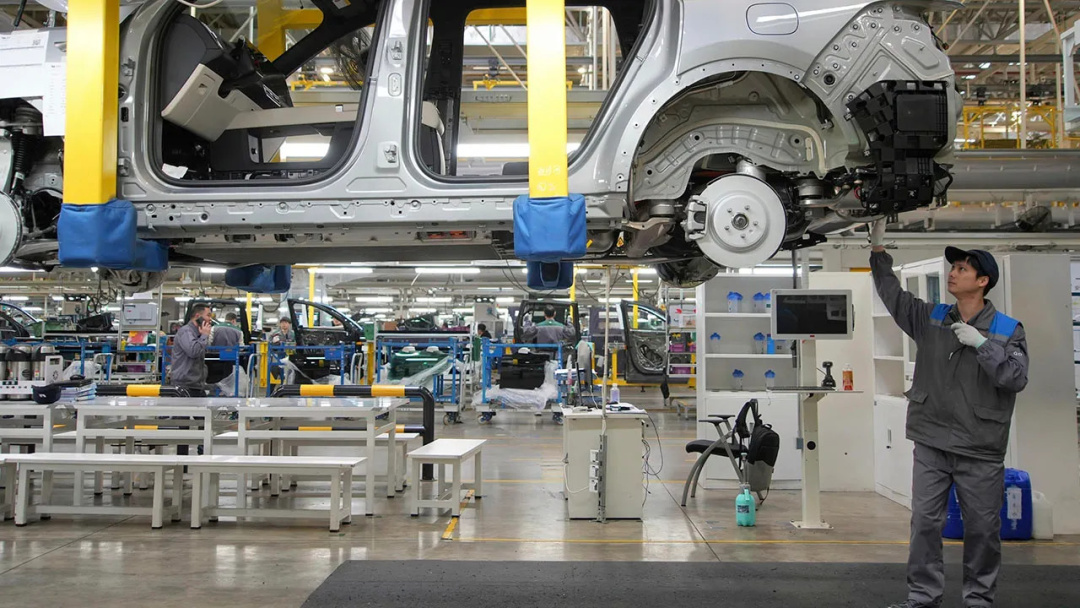
Currently, China is focusing on the automotive sector, which poses new national security risks as it becomes a major player in vehicle exports and technology. Modern vehicles are equipped with advanced systems, including cameras, sensors, and internet connectivity, which collect vast amounts of data. If this technology falls into the wrong hands, it could be used for surveillance or even to manipulate vehicle functions.
Concerns Over Foreign Component Infiltration
The potential for Chinese-made components to infiltrate American, European, or other foreign vehicles raises serious concerns. Even if Chinese cars are not sold in the U.S., the embedded technology in vehicles could provide Beijing with critical intelligence about infrastructure and civilian movements.
Final Assessment
Congress has the opportunity to address these risks through the bipartisan Connected Vehicle Security Act, which is sponsored by Senators Bernie Moreno and Elissa Slotkin. This legislation builds upon existing Commerce Department rules that restrict access to automotive technologies linked to foreign adversaries. The act aims to codify and expand these protections across the supply chain, ensuring that not just finished vehicles but also the technologies within them are safeguarded.
The Senate Commerce Committee has already advanced the bill, and it is crucial for Congress to pass this legislation to establish lasting national security measures. The U.S. has previously found itself reliant on Chinese technology, only to face significant challenges when attempting to disentangle these dependencies. The Connected Vehicle Security Act represents a proactive step to prevent such vulnerabilities from becoming entrenched in the automotive sector.