US Proposes AI Incident Alert System to China
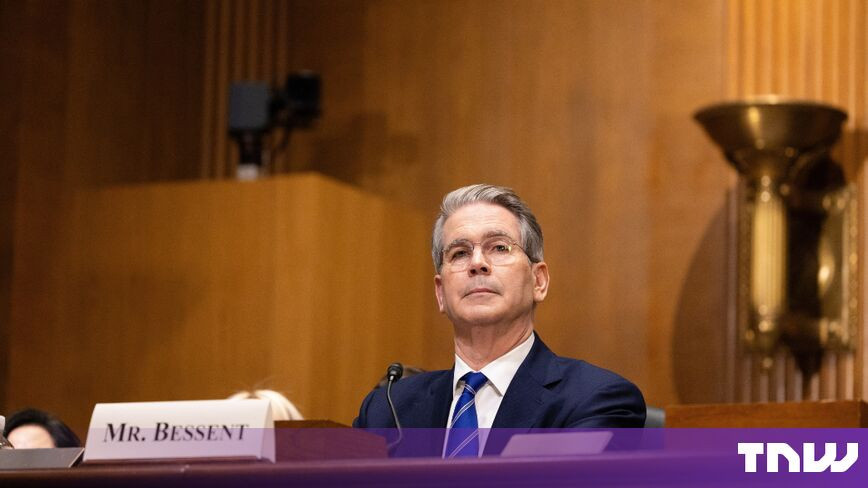
The United States has put forward a proposal for Washington and Beijing to notify each other of AI incidents deemed serious enough to be classified as national security events. This idea was presented by Treasury Secretary Scott Bessent during discussions with Chinese officials in Manhattan on Sunday.
Bessent, along with trade representative Jamieson Greer, met with He Lifeng, the Vice Premier of China, and Li Chenggang, the trade negotiator, at JPMorgan’s headquarters. The bank provided the venue due to security measures that were limiting access to much of midtown Manhattan. It is important to note that JPMorgan is not participating in the negotiations, and the discussions continued into Monday with working-level teams.
Bessent emphasized the importance of moving from a state of opacity to greater transparency between the world's two leading AI powers. He characterized the proposal as a means of facilitating communication rather than establishing a formal treaty. Greer added that discussions around export controls on AI chips and semiconductor manufacturing equipment were excluded from the talks, which is a key point of interest for Beijing.
Reports indicate that the American delegation intended to address issues related to AI-directed cyberattacks and the misuse of autonomous systems, as well as to encourage laboratories on both sides to share threat information. Following the discussions, Li described the talks as “not bad” and confirmed that AI was among the topics discussed. However, a readout from Xinhua did not specifically mention the American proposal, instead highlighting a range of AI-related issues alongside trade and investment.
China's Response to AI Proposal Uncertain
As of now, Beijing has not publicly stated whether it accepts the proposal, and Chinese officials have not elaborated on the potential mechanisms for such an alert system. Both parties have agreed to reconvene to discuss AI further, but no specific date, location, or format has been established.
On the trade front, Greer noted that the Board of Trade, which was agreed upon during a previous visit by Trump to Beijing, has been made operational. This board is intended to negotiate tariff reductions on goods that are not classified as strategic, energy, or agricultural by either government. However, details regarding rates or product lists have not been disclosed.
Intelligence Reviewed
The discussions in New York did not resolve key issues, particularly as American manufacturers continue to report that shipments of magnets are arriving in insufficient quantities. Bessent's proposal came shortly after he expressed in a House Financial Services meeting that the best way to ensure safety is to hold creators accountable for their products, rejecting the liability protections that U.S. laboratories have sought.
The discussions on Sunday were seen as groundwork for an upcoming meeting on Thursday, when Chinese President Xi Jinping is expected to visit the White House. Executives from major Chinese companies such as BYD, CATL, and Xiaomi may accompany him, although as of last week, Beijing had not formally confirmed the visit.