Former MI6 Chief Warns UK Climate Policy Poses National Security Risks
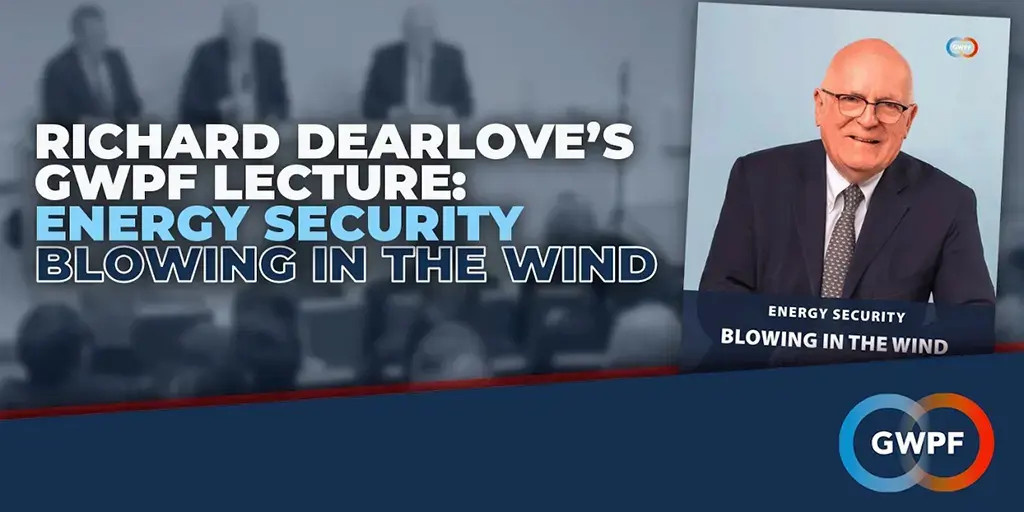
Sir Richard Dearlove, the former head of MI6, has voiced serious concerns regarding the UK's climate policy, asserting that it is undermining national security. In a recent lecture titled 'Energy Security: Blowing in the Wind,' he stated, 'As a country we have been drifting and we are dangerously exposed.' This lecture, delivered to the Global Warming Policy Foundation, has sparked discussions about the intersection of climate policy and national security.
Dearlove pointed out that the extreme weather events experienced over the summer, including drought and record temperatures, should not distract from a strategic view of energy security. He criticized the prevailing narrative that links climate change directly to national security threats, arguing that such a perspective is overly simplistic and emotionally charged.
He emphasized that national security is multifaceted, encompassing direct threats from hostile states, vulnerabilities within infrastructure, and unrecognized threats that could exploit these weaknesses. He cited Russia and China as significant threats, noting that their capabilities to disrupt energy supplies and infrastructure pose real dangers to the UK.
In his lecture, Dearlove also highlighted the importance of recognizing the vulnerabilities in the UK's energy infrastructure. He expressed concern that the current climate policy lacks the necessary security anchors, suggesting that the government has failed to establish a coherent energy policy. Instead, he argued that the focus has been disproportionately on climate policy, which may not adequately address the pressing security needs of the nation.
Reassessing Energy Security in Climate Policy
Dearlove's remarks come at a time when the UK is grappling with the implications of its energy choices. He noted that the country has become increasingly reliant on foreign energy sources, which could be exploited by adversaries. He urged policymakers to reconsider the current trajectory and to prioritize energy security as a critical component of national defense.
The former MI6 chief's insights resonate with ongoing debates about the balance between climate action and national security. As the UK navigates its energy future, the need for a comprehensive approach that addresses both environmental and security concerns has never been more urgent.
Final Brief
Dearlove's analysis underscores the necessity of understanding the vulnerabilities within the UK's energy infrastructure. He pointed out that the country has lost significant industrial capacity, which has implications for its ability to maintain energy security. The shift towards a consumption-based economy has left the UK exposed to external pressures, particularly from nations that may not share its interests.
He concluded by urging leaders to take a more strategic approach to energy policy, emphasizing that the current situation is not merely a result of external conspiracies but rather a consequence of domestic decisions that have led to increased vulnerability. As the UK continues to address climate change, it must also ensure that its national security is not compromised in the process.