New Device Aims to Detect Hidden Cameras Using Smartphone Technology
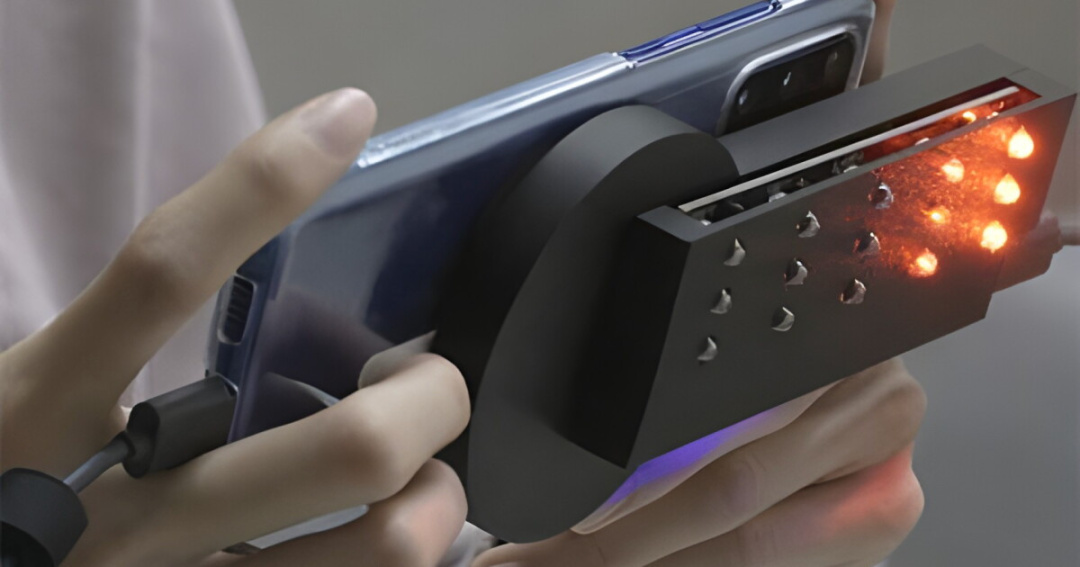
As technology continues to evolve, concerns about privacy are becoming increasingly prominent. One of the major issues is the presence of hidden cameras in private spaces, such as hotel rooms and rental properties. This concern has led to significant actions, including Airbnb's global ban on indoor security cameras, yet the problem persists. To address this, researchers at the Korea Advanced Institute of Science and Technology (KAIST), in collaboration with the National University of Singapore and Singapore Management University, have developed a device known as SweepLED.
The concept behind SweepLED is straightforward: it detects hidden cameras by shining light on suspicious objects and observing the reflections. While existing devices utilize this method, they often struggle due to the multitude of shiny surfaces found in typical environments, leading to false positives. SweepLED aims to improve upon this by analyzing how reflections change as the light moves, which is a significant innovation.
This device is designed as a smartphone case equipped with a small LED array. The prototype features 15 LEDs and is estimated to cost around $7, making it an affordable option for privacy protection. Users simply point their phone at a potentially suspicious object and hold it steady for a few seconds. The LEDs sweep light across the object from various angles, while the phone's camera captures the reflections.
Innovative Features of SweepLED Technology
What sets SweepLED apart is its ability to differentiate between the reflections of ordinary shiny objects and those of hidden camera lenses. Camera lenses produce unique reflection patterns that change in specific ways as the angle of light varies. The device records these changes and processes the footage using software that stabilizes the video and isolates the relevant reflections.
Final Brief
An AI model is employed to analyze the captured data, focusing on the changes over time rather than relying on a single image. This approach allows SweepLED to effectively identify hidden cameras amidst other reflective surfaces. In tests involving 30 different objects, including both cameras and regular household items, the device achieved a detection accuracy of approximately 94%, with each inspection taking about five seconds.
Currently, SweepLED remains a prototype, but its promising results and low cost suggest it could become a valuable tool for enhancing privacy in the near future. A paper detailing this technology was presented at ACM MobiSys 2026.