Congress Investigates Foreign Influence Networks Linked to China, Iran, and Cuba
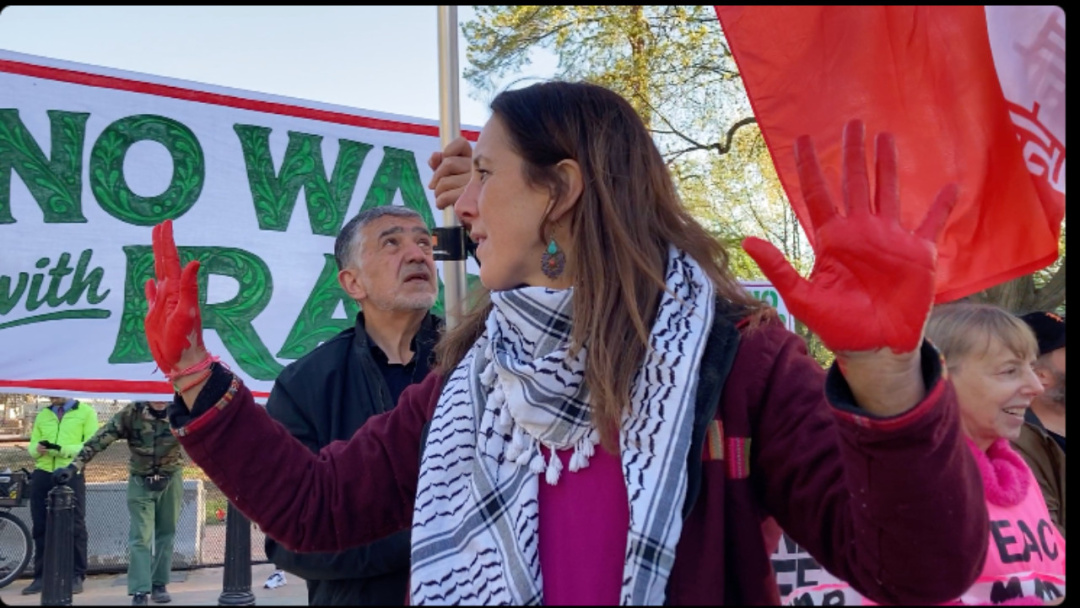
A recent incident involving CodePink has drawn attention to the alleged foreign influence operations linked to China, Iran, and Cuba. During a panel discussion at the Institute of World Politics, Olivia DiNucci, a political organizer with CodePink, disrupted the event by shouting slogans against U.S. sanctions on Cuba. This incident coincides with a congressional hearing titled "Trojan Horses: Covert Foreign Malign Influence Operations in America," where lawmakers will investigate how domestic activists and organizations may be promoting the interests of adversarial nations.
Christine Balling, a former advisor to U.S. Special Operations Command South, and Michael Gonzalez, a senior fellow at the Heritage Foundation, were discussing the national security threats posed by Cuba when DiNucci's outburst occurred. Balling characterized CodePink and similar organizations as "Trojan horses" that seek to undermine American values and promote foreign adversaries' agendas.
The hearing will explore the connections between American activists and foreign entities, including social media influencers who may act as proxies for these nations. Representative Bill Huizenga, chairman of the House Foreign Affairs Subcommittee on South and Central Asia, emphasized the need to expose these operations to protect national security and the American way of life.
Approved for Dissemination
Fox News Digital has reported on a network of organizations allegedly funded by Neville Roy Singham, a tech entrepreneur with ties to pro-communist groups. Investigations revealed significant financial flows from Singham to various nonprofits that promote anti-American sentiments and support for communist regimes.
The congressional hearings aim to shed light on the extent of foreign influence in U.S. political discourse and the role of domestic messengers in advancing these interests. As lawmakers prepare for the hearings, the implications of these findings could have significant consequences for national security and public perception of foreign influence in America.