Trump Downplays Concerns Over China-Iran Satellite Intelligence
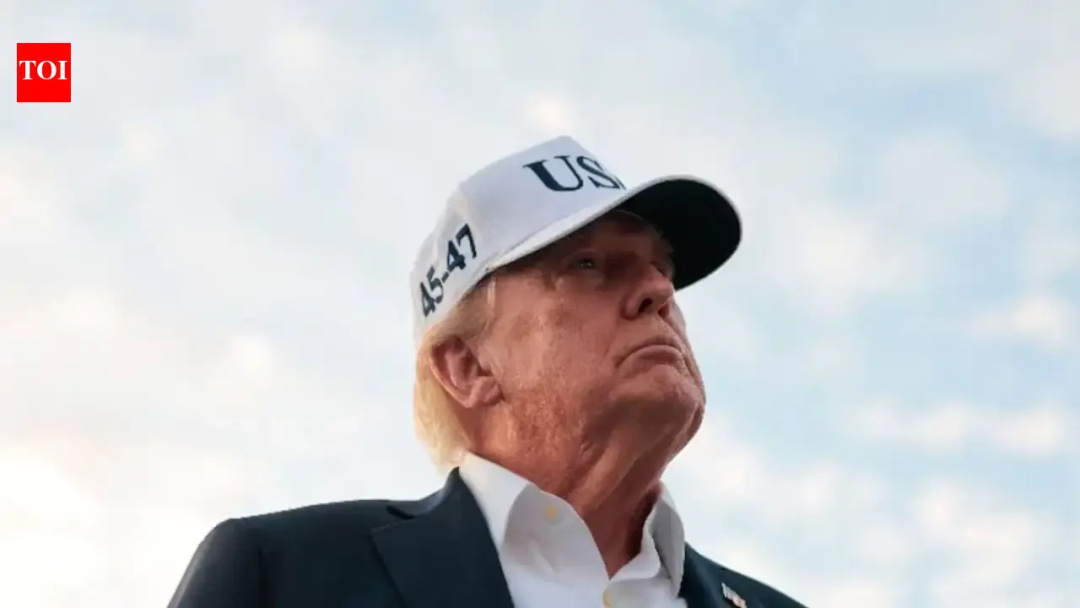
President Trump has downplayed a report indicating that Chinese entities provided Iran with satellite imagery of a U.S. military base in Jordan before a missile attack that killed three American soldiers. Speaking to reporters aboard Air Force One, Trump remarked that China's spying activities are similar to those of the United States, saying, "They basically do what we do." He acknowledged the reality of espionage, stating, "You know what they say? That China spies on us. I say you're right, and we spy on them, too."
The comments came in response to a Wall Street Journal report citing U.S. officials who claimed that Iran had obtained high-resolution satellite imagery from Chinese sources before and after the July 17 missile attack on the Muwaffaq Salti Air Base in northeastern Jordan. The attack resulted in the deaths of three U.S. troops and injuries to four others. While the report raises questions about whether Chinese satellite intelligence aided Iran in targeting U.S. military personnel, U.S. officials did not specify which Chinese entities were involved or suggest that Beijing directly ordered or participated in the attack.
Trump was asked if he would address the issue with Chinese President Xi Jinping during their upcoming meeting, but he did not provide a direct answer. Instead, he emphasized the overall state of U.S.-China relations, stating that Xi had "behaved reasonably well." The meeting, expected to take place on September 24, is anticipated to focus on stabilizing ties between the two largest economies, with trade and technology being key topics of discussion.
Clearance Granted
The reported connection between Chinese satellite intelligence and the missile attack adds a sensitive security dimension to the upcoming talks, especially given the loss of American service members. For Trump, the timing presents a diplomatic balancing act, as the U.S. has concerns about Chinese entities allegedly assisting Iran while also aiming to prevent tensions from escalating with Xi ahead of their meeting.
The critical question now is whether the alleged transfer of satellite imagery represents standard Chinese intelligence operations or a more direct form of support to a U.S. adversary. This issue could test the fragile U.S.-China relationship as both nations navigate complex geopolitical dynamics.