South Korea Expands Espionage Law to Include All Foreign Nations
South Korea has enacted a significant revision to its espionage law, expanding its scope to include all foreign countries, not just North Korea. This updated Criminal Act, which carries a minimum three-year prison sentence for espionage offenses, aims to strengthen the nation's defenses against technology and industrial espionage. The amendment was prompted by growing concerns over high-profile technology leak cases, particularly those involving Chinese firms.
The revised law was passed by South Korea's National Assembly on February 26 and officially came into effect on March 12, following a six-month grace period. This legislative change addresses criticisms that the previous laws were inadequate for punishing espionage activities involving non-North Korean actors, especially in light of increasing espionage attempts from China.
Under the new law, individuals found guilty of conducting espionage for a foreign country or equivalent organization face a minimum sentence of three years in prison. Existing provisions that penalize espionage benefiting an "enemy state" remain unchanged. Previously, prosecutors had to rely on other industrial technology or trade-secret laws to address such cases, which often involved foreign entities.
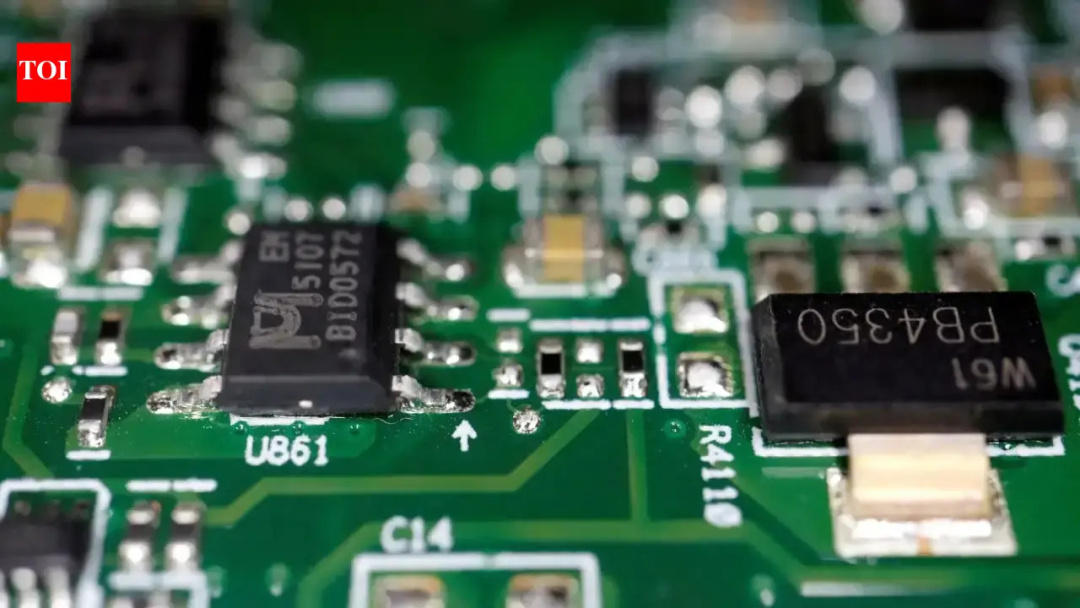
The South Korean National Intelligence Service has welcomed this amendment, asserting that it will bolster the country's ability to prevent leaks of critical technologies, including semiconductors, displays, batteries, and artificial intelligence. This move is seen as a proactive measure to safeguard South Korea's technological advancements and national security.
Recent Espionage Cases Prompt Legal Changes
The law's implementation comes in the wake of notable espionage incidents, including the indictment of five former Samsung Electronics employees accused of transferring vital dynamic random-access memory (DRAM) chip technology to a Chinese memory manufacturer. In response to the law, a spokesperson for China's foreign ministry emphasized that Chinese enterprises are required to conduct international cooperation in accordance with international rules and laws, advocating for a fair business environment for all countries.
Final Assessment
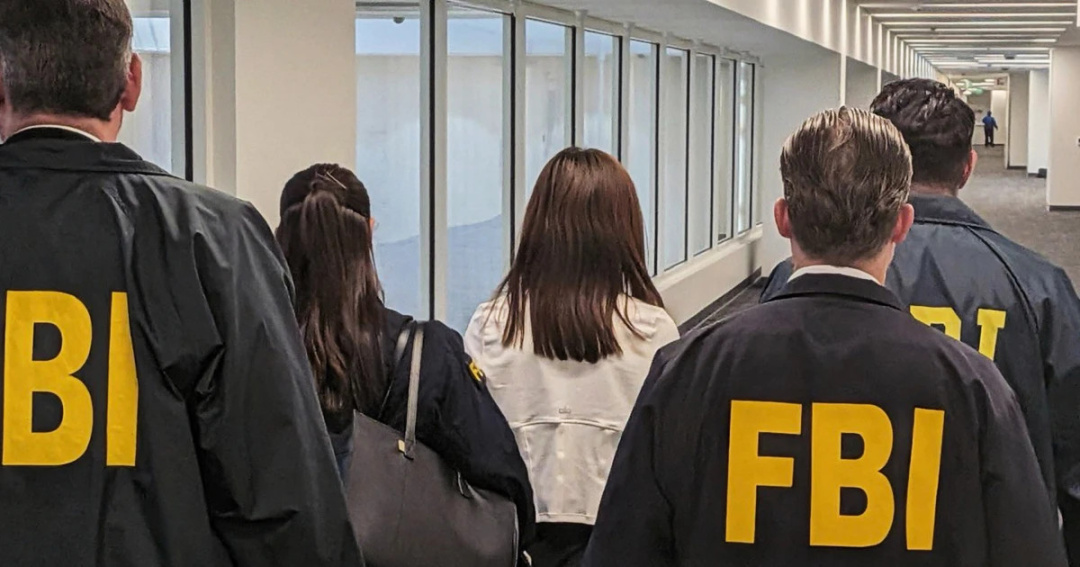
Additionally, the United States has accused several Chinese artificial intelligence firms of stealing trade secrets from American companies to reduce development costs and expedite the release of advanced technologies. A joint advisory from the FBI, NSA, and Cybersecurity and Infrastructure Security Agency highlighted that major Chinese tech firms have been found to extract proprietary functionalities from U.S. AI models using advanced techniques.
This legislative shift reflects South Korea's commitment to enhancing its national security framework and addressing the evolving landscape of global espionage threats.