Clandestine Hospitals of Mexican Drug Cartels: A Hidden Reality
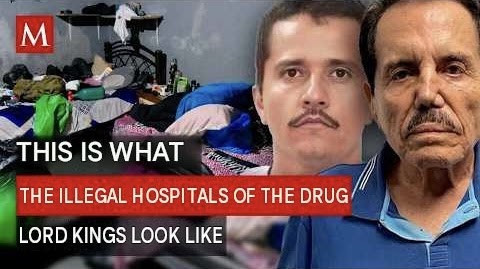
In Mexico, members of criminal organizations often face significant risks when seeking medical attention at conventional hospitals. To mitigate these dangers, some drug cartels have created their own medical facilities. These clandestine clinics serve as safe havens for cartel members needing treatment, allowing them to avoid detection by law enforcement.
A recent investigation began with a missing person report for a young man from San Pedro Tlaquepaque, who had disappeared after accepting a job offer. Authorities traced his whereabouts to a property in Tecalitlán, where they discovered not only the young man but also eight others who had allegedly been forcibly recruited. This property was revealed to be a clandestine clinic catering to wounded members of the Jalisco New Generation Cartel (CJNG).
Jalisco Prosecutor Salvador González de los Santos indicated that specialized medical treatments were being administered to cartel members injured in violent confrontations or other criminal activities. Among those rescued were individuals aged 16 to 43, some of whom required crutches and had undergone surgeries involving surgical pins. The presence of specialized medical supplies prompted an investigation into potential collaboration between local health professionals and the cartel.
Inside CJNG's Secret Medical Facilities
This incident is not isolated; the CJNG has a history of utilizing its own medical facilities. Approximately 300 kilometers from Guadalajara, in the mountains of Villa Purificación, lies a property known as "El Hospitalito" (The Little Hospital). This facility, associated with CJNG leader Rubén Oseguera Cervantes, alias "El Mencho," is equipped with four examination rooms and six beds, allowing for medical procedures in a secluded environment.
Filed & Cleared
On the other side, Ismael "El Mayo" Zambada of the Sinaloa Cartel has also sought alternative medical care. Reports indicate that Zambada had a semi-trailer converted into a mobile hospital to provide medical assistance to himself and his associates, including Joaquín Guzmán. The existence of these clandestine medical facilities illustrates the lengths to which cartel leaders will go to ensure their safety and health without relying on public or private hospitals.
The implications of these clandestine operations extend beyond the immediate health concerns of cartel members. They raise questions about the involvement of medical professionals and the potential for complicity in criminal activities. As authorities continue to investigate these hidden clinics, the intersection of healthcare and organized crime remains a critical area of concern for law enforcement and public health officials alike.