Germany Investigates Russian Spy Link in Leipzig Airport Drone Incident
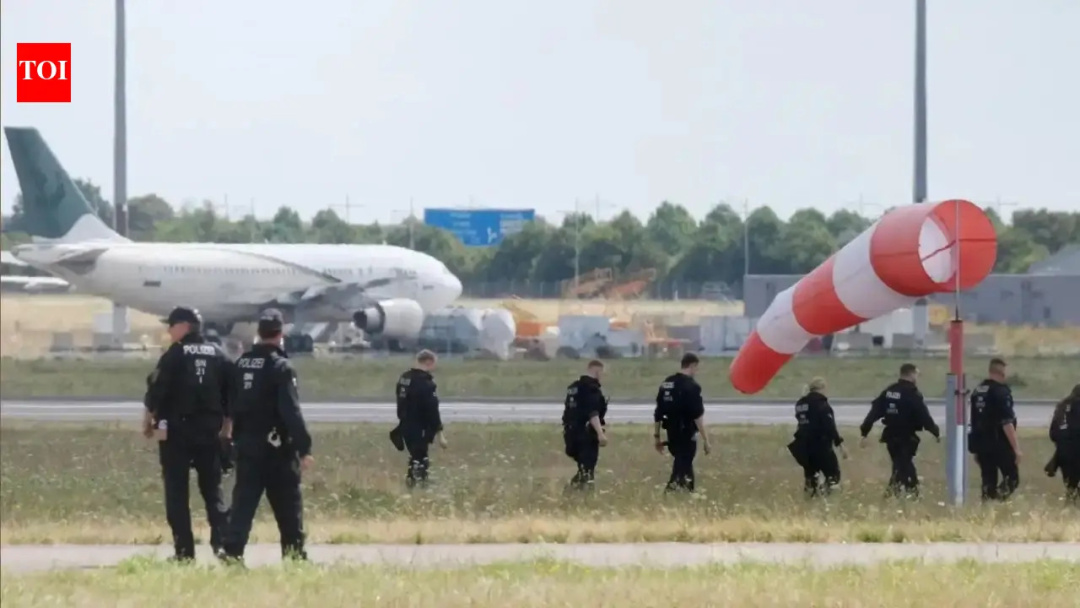
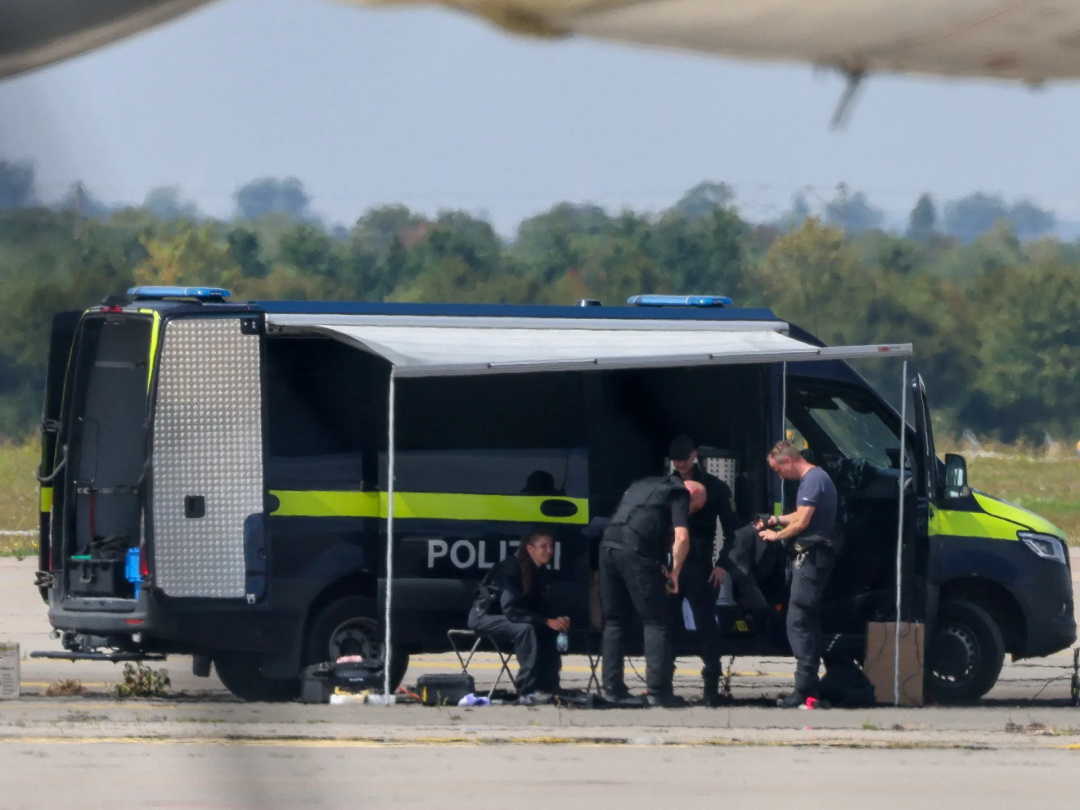
German security officials are currently investigating a suspected link to Russian military intelligence in relation to a drone incident that occurred at Leipzig airport last month. The drone, which was believed to be laden with explosives, was discovered on August 4 in a secured cargo area close to a Ukrainian cargo aircraft. This incident has raised alarms among German authorities, who suspect it may be part of a wider hybrid attack strategy.
Reports indicate that a Russian national identified as Oleg Le, allegedly connected to the GRU military intelligence agency, is believed to have coordinated the operation. Additionally, investigators have identified a second suspect, a Belarusian national named Andrei Ka. The drone incident has prompted German officials to take a closer look at potential Russian involvement in activities that threaten national security.
Following the discovery of the drone, German authorities successfully disarmed it and subsequently attributed responsibility for the incident to Russia in early September. This conclusion has led to significant diplomatic repercussions, including the closure of the Russian consulate in Bonn and a cultural center in Berlin, as part of measures targeting Russian diplomatic and cultural operations in Germany.
Tracing the Suspect's Movements
Investigators have traced Oleg Le's movements, suggesting he entered Germany from Turkey before traveling to Serbia via Berlin airport. It is believed that he has since returned to Russia. Notably, German authorities were aware of Le's alleged ties to the GRU when he entered the country but did not place him under surveillance.
Cleared for Release
The investigation has also revealed that DNA traces recovered at the scene helped identify the two suspects. Authorities are examining how the explosives could have entered Germany, with reports suggesting they may have been concealed in trucks traveling through Bulgaria and Serbia. The Leipzig airport is a crucial hub for the transport of military-related goods, further complicating the security landscape.
Germany's domestic intelligence agency, the BfV, has declined to comment on the ongoing investigation, citing the sensitive nature of the case. This incident comes amid heightened concerns in Germany regarding suspected Russian-linked sabotage, cyberattacks, and other forms of hybrid warfare. Since the onset of Russia's full-scale invasion of Ukraine in 2022, Germany has positioned itself as a key supporter of Ukraine within Europe.