Reports Link Failed Leipzig Attack to Russian GRU Intelligence Agency
Germany's Welt am Sonntag newspaper has reported that intelligence assessments link a recent failed drone attack at Leipzig/Halle Airport to Moscow's GRU military intelligence agency. According to the article published on Saturday, a man with established connections to the GRU was responsible for the operational logistics of the attempted attack. German authorities were aware of his ties when he entered the country from Turkey, yet he was not placed under surveillance upon his arrival.
The classified security evaluations cited in the report indicate that the Russian national has since returned to his home country after traveling to Serbia from Berlin-Brandenburg Airport. Additionally, a Belarusian citizen was mentioned as an accomplice in the attack.
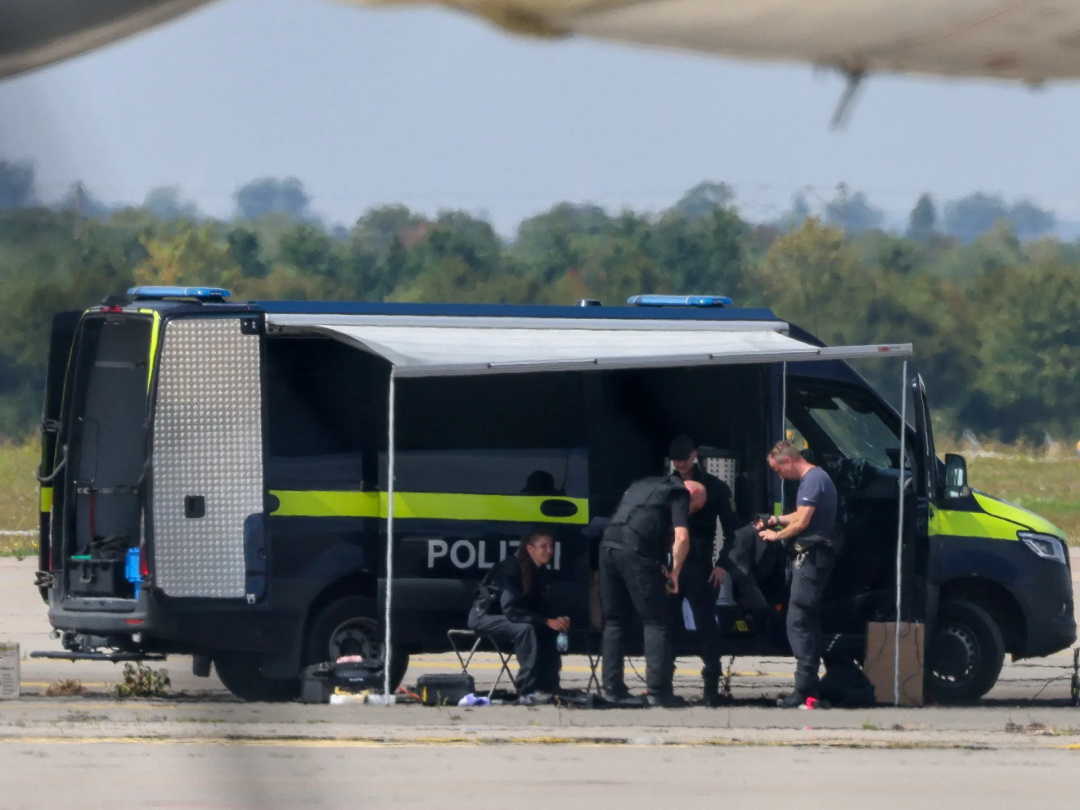
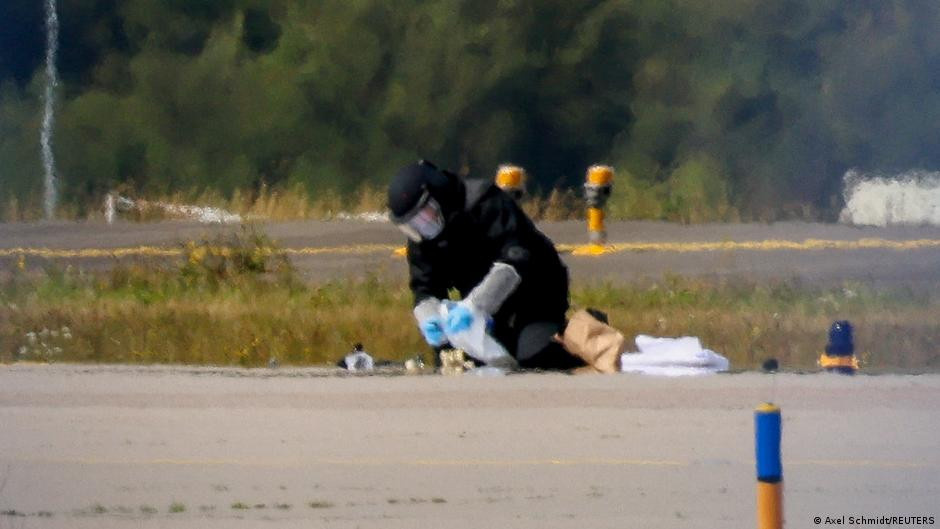
German intelligence sources have suggested that the explosives used in the incident were likely smuggled into Germany via truck from Bulgaria and Serbia, where they were stored in underground depots before reaching Leipzig. Forensic evidence collected at Leipzig/Halle Airport, including the drone's configuration and explosives, has pointed to a Russian operation, consistent with previous hybrid attacks attributed to Moscow.
Final Brief
In early August, German tabloid BILD reported that DNA traces found on the drone's remote control antenna matched samples collected from the scene of a July 20, 2024, arson attack at a DHL logistics facility in Leipzig. The drone incident, which occurred on the evening of August 4, involved an explosives-laden drone discovered near a Ukrainian transport jet. Authorities successfully disarmed the drone, and following public speculation regarding Moscow's involvement, the German government officially attributed the attack to Russia in early September.
Berlin's conclusion was based on the intelligence reports referenced in the Welt am Sonntag article. In response to the findings, Germany announced the closure of the Russian Consulate General in Bonn. The Kremlin retaliated by shutting down Goethe Institutes, which are German cultural exchange organizations, across Russia. As has been the case with similar hybrid attacks in the past, Russia has denied any involvement in the Leipzig incident.