CIA Releases Declassified Documents on Bin Laden and Al-Qaeda
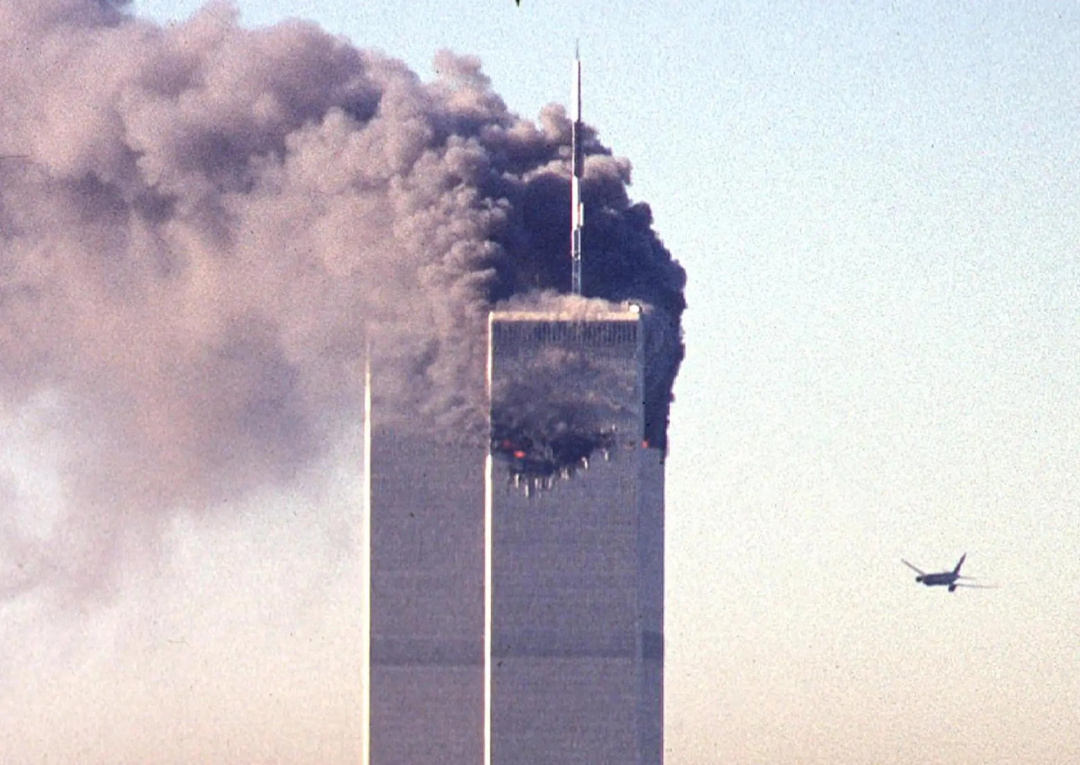
In a significant move marking the 25th anniversary of the September 11, 2001, attacks, the CIA has released several dozen declassified presidential briefing documents that shed light on the intelligence gathered regarding Osama bin Laden and al-Qaeda before the tragic events that resulted in nearly 3,000 deaths and a major shift in U.S. national security policy.
These documents provide a detailed account of security analysts' efforts to track bin Laden's activities and his support network, highlighting concerns over potential threats to U.S. interests. They also offer insights into the understanding of his operational network both within the United States and abroad, including the financial mechanisms behind his activities.
CIA Director John Ratcliffe characterized this release as "an act of exceptional transparency," noting that it represents the agency's largest single release of declassified presidential daily briefs. These highly classified briefings are prepared for the nation's top leaders and contain critical intelligence assessments.
Among the documents is a February 1998 file prepared for then-President Bill Clinton, titled "Terrorists Seeking WMD Capability," which mentions bin Laden alongside other extremist groups. Another document from September 12, 2001, indicates that the attacks had been in planning for two years and included targets such as the U.S. Capitol.
Taliban's Stance on Bin Laden's Activities
An April 1998 document highlights the Taliban's reluctance to extradite bin Laden, who was viewed as a guest in Afghanistan, due to their gratitude for his support during the Soviet occupation. A briefer noted that bin Laden's "preferred option is to strike the U.S. on its own soil in Washington" and warned that al-Qaeda might attempt to fly an explosive-laden airplane into a U.S. city.
In December 1998, potential hijackings were discussed, with a briefer noting that conspirators had evaded security checks during a trial run at an unidentified New York airport. Some members of bin Laden's network reportedly received hijacking training, raising alarms about the possibility of future attacks.
Intelligence Reviewed
The documents also detail bin Laden's interest in acquiring materials for creating "dirty bombs," which are conventional explosives mixed with radioactive materials. By June 1999, intelligence officials reported that his operatives had conducted experiments with explosives to enhance their energy output.
While many documents were redacted to protect the identities of sources and other sensitive information, they did not provide new insights into the planning of the attacks or the understanding of how they unfolded. This release serves as a reminder of the ongoing challenges faced by the intelligence community in addressing threats to national security.