CIA Releases Declassified Briefings on Pre-9/11 Al-Qaeda Threats
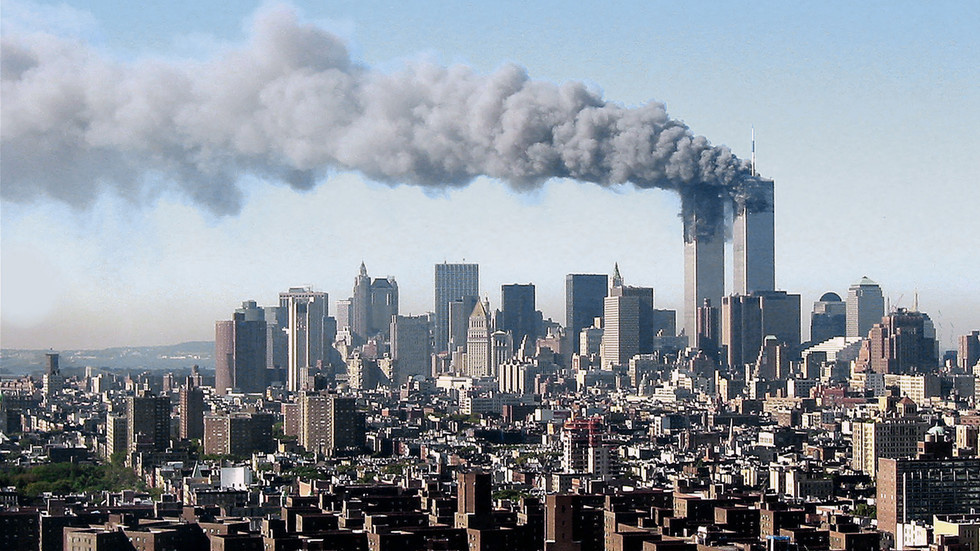
The CIA has made public a significant number of presidential intelligence briefings that indicate U.S. officials were alerted years before the September 11 attacks about Osama bin Laden and his Al-Qaeda network planning strikes on American soil. These warnings included the possibility of hijacked aircraft being used as weapons, as well as concerns regarding biological, chemical, and nuclear weapons.
On Friday, the agency released 71 President’s Daily Brief (PDB) documents to commemorate the 25th anniversary of 9/11. This collection, which spans over 100 pages, represents the most extensive release of CIA presidential intelligence concerning the attacks and includes assessments from 1998 through the immediate aftermath of September 11, 2001.
Among the notable documents is a memorandum from September 1998 that outlines Bin Laden’s intentions. It indicated that his preferred method of attack was to strike the U.S. directly, specifically mentioning the possibility of flying an explosive-packed airplane into a U.S. city.
In December 1998, another briefing warned that Bin Laden and his associates were preparing for attacks in the U.S., including plans to hijack an American airliner during the holiday season. The newly released materials also reflect ongoing concerns regarding unconventional weapons. A February 1998 assessment noted that Bin Laden and other extremists were attempting to acquire various chemical, biological, and nuclear materials. By May 1999, the CIA had determined that Bin Laden was exploring multiple avenues to develop such weapons. A subsequent briefing in June revealed that trainees at an Afghan camp had produced and tested numerous toxic chemicals and biological agents, and that operatives were experimenting with incorporating radioactive materials into explosives.
Escalating Threats Leading to Critical Briefing
The most well-known warning came on August 6, 2001, when President George W. Bush received a briefing titled "Bin Ladin Determined To Strike in US." This briefing highlighted Bin Laden's long-standing desire to attack the U.S., noted suspicious activities consistent with preparations for hijackings, and mentioned that the FBI was investigating approximately 70 cases related to potential Al-Qaeda activity in the country.
By the summer of 2001, then-CIA Director George Tenet recalled that the intelligence community was on high alert, describing the situation as "blinking red." The 9/11 Commission later concluded that many officials were aware that something significant was being planned, but failures in intelligence sharing and preparedness hindered the ability to act on the scattered warnings.
Cleared to File
Bin Laden's rise to prominence occurred during the Soviet war in Afghanistan, during which the U.S. provided substantial support to anti-Soviet mujahideen through Pakistan. While U.S. officials have denied directly funding Bin Laden, the American-backed efforts contributed to the creation of the militant infrastructure from which Al-Qaeda emerged.
The September 11 attacks, which resulted in the deaths of 2,977 individuals, led to the U.S. launching its "War on Terror," which included the invasion of Afghanistan shortly after the attacks and Iraq less than two years later. Domestically, the PATRIOT Act significantly expanded the government's surveillance capabilities over its citizens.