MI5 Chief Warns of Greater Threats to the West Than Post-9/11
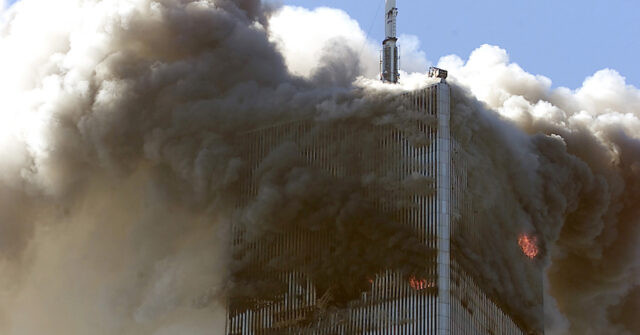
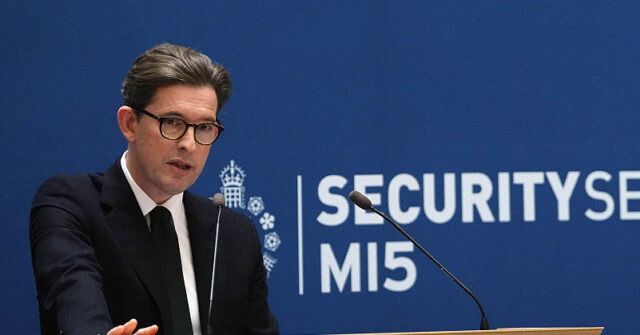
Sir Kenneth McCallum, the director general of Britain’s domestic spy agency MI5, has issued a stark warning regarding the current security landscape, stating that while Al-Qaeda's capacity to attack the West has significantly diminished since the events of September 11, 2001, the overall threat level is now greater than it was at that time. He highlighted the emergence of new and innovative terror networks, the rise of lone wolf attackers, and the dangers posed by state-sponsored terrorism as key factors contributing to this heightened risk.
In a recent op-ed, McCallum called for a collective effort from the public to prepare for these evolving threats, emphasizing the need for national resilience and courage. He noted that while the likelihood of another large-scale attack akin to 9/11 is decreasing due to improved security measures, the complexity of the threat landscape has increased.
The MI5 chief pointed out that the nature of terrorism has evolved, with self-radicalized individuals posing a significant challenge for intelligence agencies. The lack of communication among these lone actors makes them particularly difficult to detect, complicating efforts to prevent potential attacks. He remarked, "Sadly, mass-casualty terrorist ambition endures."
Addressing State-Sponsored Threats and Cybersecurity
McCallum also addressed the growing risks associated with state-backed aggression, including cyberattacks and covert interference in democratic processes. He argued that new laws and enhanced cooperation between government, industry, and academia are essential to effectively counter these threats. The need for a more integrated approach to national security is critical, as the current global landscape is less predictable than in the past.
Cleared to File
The director general's comments reflect a broader trend among senior officials in the UK and Europe, who have been increasingly vocal about the need for societal change in response to rising security threats. The discourse surrounding national security has shifted, with many leaders suggesting that the public must be prepared for a potential conflict that could involve all segments of society.
As the UK Armed Forces and intelligence agencies adapt to these challenges, McCallum's remarks serve as a reminder of the importance of vigilance and preparedness in the face of evolving threats. The call for a united front in addressing national security concerns underscores the need for a collaborative effort to safeguard the future.