Drone Stocks Decline Amid Market Risk-Off Sentiment
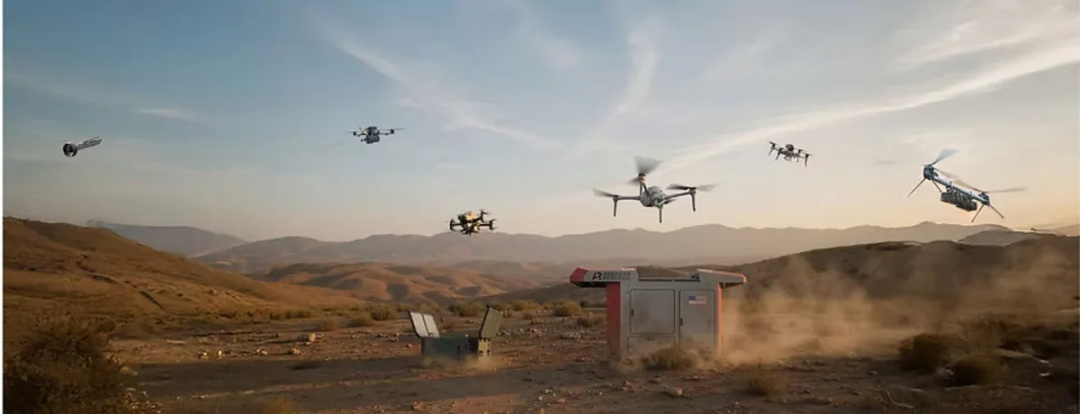
Drone stocks are facing a notable decline as risk-off sentiment permeates the market, impacting high-beta names significantly. AeroVironment's stock has dropped 4% to $142.40, marking a 41% decrease year-to-date. This downturn occurs despite the company reporting a record $2.7 billion in trailing bookings and a solid fiscal fourth-quarter performance, which included $641.6 million in revenue and an adjusted EPS of $1.84. The absence of company-specific news raises questions about the market's reaction to these figures.
Similarly, Red Cat's stock has fallen 3% to $8.41, while Ondas shares have eased 2% to $7.50. The relative strength of Ondas compared to its peers is noteworthy, given the typically volatile nature of this sector. The Defiance Drone and Modern Warfare ETF, which tracks the performance of drone stocks, has also declined by 2%, reflecting a broader pullback in the market.
The decline in these stocks is occurring without any fresh catalysts, which is unusual given the companies' recent positive operating updates. Retail sentiment appears divided, with some investors focusing on the substantial backlog and product offerings, while others express concerns over the inability of these stocks to maintain gains following contract awards. The market capitalization of AeroVironment now stands at $7.24 billion, which adds to the tension surrounding its stock performance.
Clearance Granted
Red Cat's management has reaffirmed its revenue targets for the year, indicating a focus on the second half of 2026 for growth. However, the execution risk remains a concern as the market evaluates its performance in the upcoming quarters. Ondas has projected a significant increase in revenue, aiming for a $1 billion annualized run rate by the end of 2026, but the market's reaction to these forecasts remains cautious.
As the drone sector continues to face challenges, investors are advised to monitor key price levels for these stocks and the JEDI ETF. The upcoming earnings cycle may provide further insights into the companies' performances, but until then, market sentiment and macroeconomic factors are likely to drive stock movements. The current situation highlights the complexities of investing in high-beta stocks, where market sentiment can often overshadow fundamental performance.