Cramer Warns Against Conservative Bond Strategies as Market Data Shows Losses
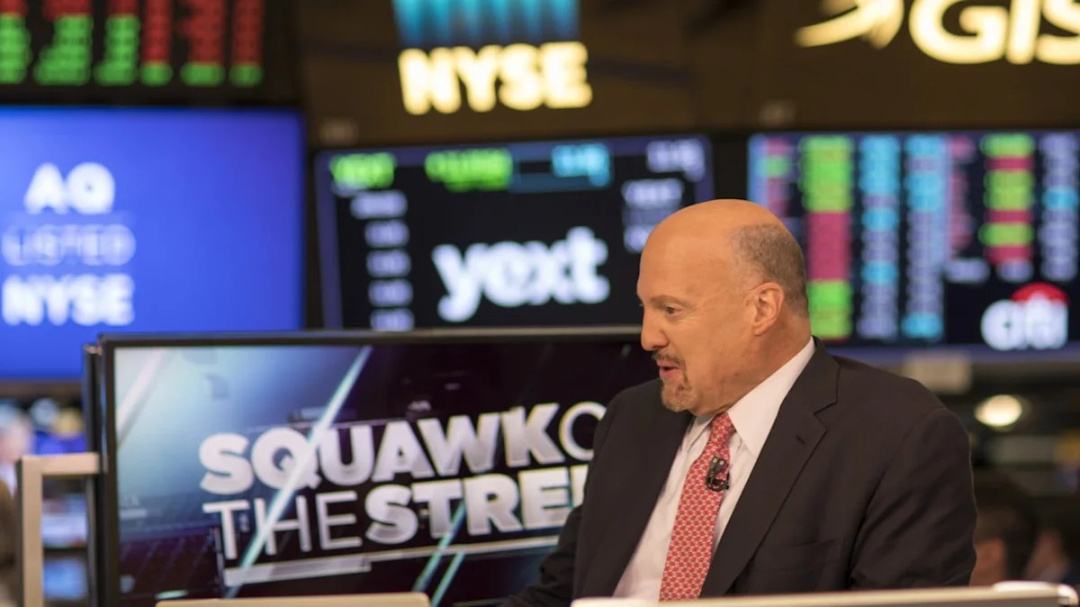
Jim Cramer recently advised that playing it safe with bonds may be one of the most dangerous strategies for young investors. He pointed to five years of market data that illustrates the risks associated with conservative bond allocations. Cramer highlighted the iShares Core U.S. Aggregate Bond ETF, which has seen a price drop of 17% over the past five years, a decline attributed to the Federal Reserve's aggressive interest rate hikes that have negatively impacted older, lower-yield bonds.
In contrast, the SPDR S&P 500 ETF Trust has experienced a remarkable 70% increase in the same timeframe, underscoring the opportunity cost of conservative investing. During a recent episode of Mad Money, Cramer responded to a caller expressing frustration over her portfolio's performance, stating, "But for young investors, being too prudent is actually reckless."
Cramer's argument is rooted in the concept of time horizon. For younger investors with decades ahead of them, allocating capital to high-grade bonds to avoid equity volatility can lead to a gradual erosion of purchasing power, especially during periods of declining nominal prices. He suggests that the real risk lies in maintaining a bond-heavy portfolio for those still in their working years.
While the AGG ETF's price decline is alarming, it does not fully capture the experience of buy-and-hold investors. The fund has distributed approximately $3.96 per share over the last year, which can help mitigate losses for those reinvesting or utilizing the income. This total return perspective presents a more favorable picture than price movements alone.
The Vanguard Total Bond Market ETF has followed a similar trajectory, reflecting a broader trend in the bond market. Rising yields on 10-year Treasuries have pressured existing bond prices, even as new coupons continue to be issued.
Cramer emphasizes the need for investors to consider their investment horizon when evaluating bond exposure. A five-year drawdown may be a significant concern for someone nearing retirement, but it is less impactful for a younger investor. He advocates for a balanced approach that reflects individual timelines and risk tolerances.
Market observers are advised to monitor the Federal Reserve's upcoming meetings, as any changes in monetary policy could influence bond fund performance and validate equity investments for those who have maintained their positions.