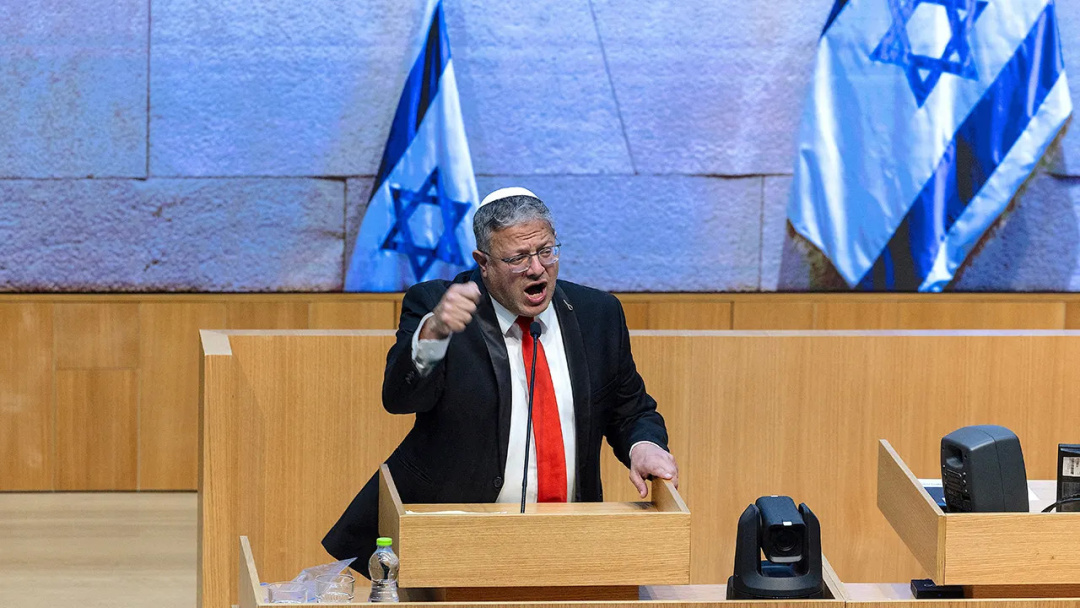
Israeli Prisons Under Ben-Gvir's Oversight Raise Human Rights Concerns

Palestinian photojournalist Muath Amarneh, who has experienced imprisonment, reflects on the troubling conditions in Israeli prisons overseen by National Security Minister Itamar Ben-Gvir. Amarneh criticizes Ben-Gvir's portrayal of prison conditions, noting that the reality includes severe humiliation and violence that is not captured in the minister's public statements. Ben-Gvir has recently shared videos showcasing what he claims are improvements in prison conditions, but these have drawn comparisons to historical atrocities, leading to public outcry.
Amarneh, who has been arrested multiple times, describes the drastic increase in administrative detainees since the escalation of violence in Gaza, with numbers reportedly rising from approximately 1,300 to around 3,200. His experiences in detention reveal a grim reality where basic rights are denied, including access to medical care and proper hygiene. He recounts being deprived of essential items and subjected to physical abuse, which he states has worsened under Ben-Gvir's administration.
Sahar Francis, a lawyer and former executive director of Addameer, a Palestinian prisoners' advocacy group, emphasizes that Ben-Gvir's policies have intensified existing cruelty within the prison system. She notes that since the onset of the recent conflict, family visits and legal access have been severely restricted, and detainees face daily raids and beatings. The conditions have deteriorated to a point where they resemble the early years of the occupation, marked by extreme brutality.
Amarneh's personal narrative illustrates the psychological toll of imprisonment, as he struggles with the trauma of his experiences. He highlights the lack of adequate medical treatment, recounting instances where he was denied necessary care for serious health issues. The United Nations Working Group on Arbitrary Detention has deemed his first detention unlawful, yet the cycle of arrest continues, reflecting a broader pattern of targeting Palestinian journalists.
Francis points out the disparity in international accountability, noting that while other regimes face prosecution for human rights violations, similar actions against Israeli officials remain unaddressed. She suggests that Ben-Gvir's statements could be relevant in any future legal proceedings regarding his role in the treatment of prisoners.
As Amarneh navigates life after his release, he grapples with the psychological pressure of potential re-arrest, expressing a desire for peace amidst a backdrop of systemic oppression. His story serves as a stark reminder of the ongoing struggles faced by Palestinian detainees and the urgent need for accountability in the treatment of prisoners.