CIA Cyber Intelligence Aided in Capture of Nicolás Maduro, Says Deputy Director
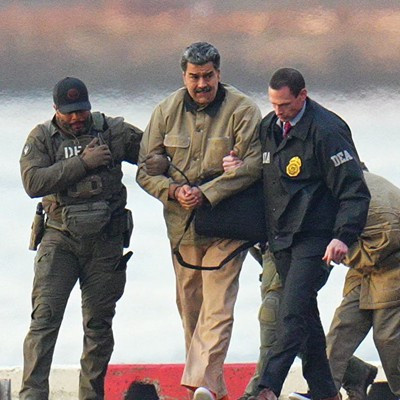
CIA cyber operatives provided vital intelligence that enabled U.S. forces to locate and capture Nicolás Maduro, the deposed Venezuelan leader, just four minutes after landing in January, according to CIA Deputy Director Michael Ellis. Speaking at the Billington Cybersecurity Conference in Washington, D.C., Ellis credited the agency’s Center for Cyber Intelligence for creating what he termed a "flawless intelligence picture" for Operation Absolute Resolve, the mission that successfully seized Maduro. Ellis stated that without this intelligence, the rapid apprehension of Maduro would not have been possible.
This revelation sheds light on the CIA's significant cyber capabilities and their direct impact on military operations, expanding on previous acknowledgments from officials regarding the agency's support without detailing its full extent. Joint Chiefs Chairman Gen. Dan Caine had earlier recognized the involvement of Cyber Command and credited the CIA, NSA, and National Geospatial-Intelligence Agency for their contributions to the mission. He noted that extensive intelligence collection on Maduro's movements and routines had taken place over several months, although he did not specify the CIA's cyber role as outlined by Ellis.
During the operation, various intelligence agencies formed crisis action teams to assist Special Operations Command and Southern Command. A U.S. official familiar with the operation indicated that the NSA provided geolocation support and monitored communications that could indicate troop movements or radar activation plans. Ellis's comments also highlighted the CIA's recent decision to elevate the Center for Cyber Intelligence to a mission center, which he stated has prioritized cyber operations and aligned resources with intelligence needs.
While Ellis did not disclose specific systems targeted or the methods used to determine Maduro's location, he emphasized the agency's commitment to leveraging cyber operations to address complex intelligence challenges. Traditionally, the CIA focuses on human intelligence gathering overseas, often conducted covertly through the recruitment and management of foreign assets to gather intelligence on various threats, including economic and terrorism-related issues. Technology, including computer intrusions, has played a significant role in these operations.