NSC Warns of Increased Threats to Israelis Abroad Before Holidays
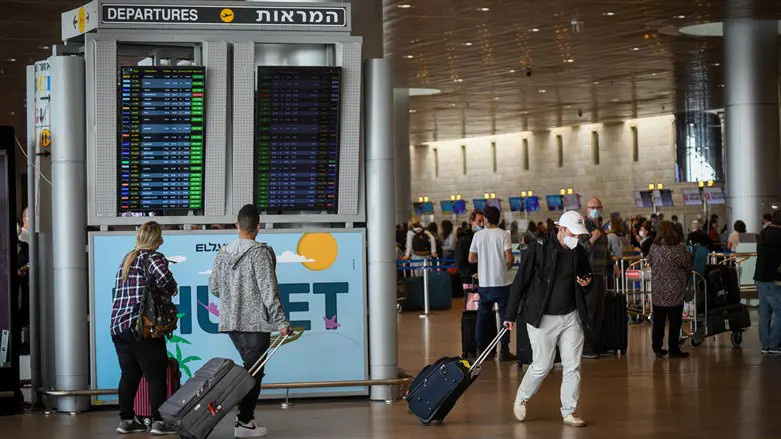
The National Security Council (NSC) has released an overview of threats facing Israelis abroad in light of the upcoming Tishrei holidays. This initiative is intended to raise awareness and vigilance among Israeli travelers, clarifying that the information is based on updated global intelligence and terrorism trends rather than new travel warnings.
The current security situation, exacerbated by ongoing conflicts involving Iran, Hamas, Hezbollah, and other groups, has led to increased efforts to target Israelis outside of Israel. Alongside operational attempts to execute attacks, there has been a notable rise in incitement on social media, which has heightened the motivation for terrorist acts. The NSC has identified the third anniversary of the October 7 massacre, set for October 2026, as a particularly sensitive time that may see violent demonstrations and targeted attacks.
Iran and its affiliates remain the primary source of these threats, utilizing terrorist networks and criminal elements to target diplomatic missions, security personnel, senior officials, Jewish community institutions, and Israeli tourists. Hezbollah, seeking to avenge losses and attacks on its leadership, also poses a significant threat.
In Europe and other regions, Hamas is reportedly investing substantial resources to establish terrorist infrastructure aimed at executing high-profile revenge attacks against Jewish and Israeli targets. Additionally, global jihadist organizations such as ISIS and Al-Qaeda continue to call for attacks against Jews, with threats particularly pronounced in parts of Asia and Africa, as well as in European cities and the United States, often through lone attackers. The Houthi rebels have also issued calls for attacks against Israelis in regions like Somaliland and Africa, perceiving their presence as a threat.
A concerning trend is the increase in attacks by lone perpetrators. Since the onset of the current conflict, 25 Israelis and Jews have been killed in terrorist attacks abroad. The NSC notes that this decentralized threat is difficult to predict, driven by radicalization on social media, with attackers typically acting independently and targeting accessible locations such as large gatherings, places of worship, and community institutions.
This year, Jordan has been designated as a high-risk country, receiving a Level 4 travel warning, which includes recommendations to avoid even stopovers there. The NSC advises Israelis to refrain from displaying Israeli or Jewish symbols, such as kippahs or Hebrew writing, to avoid posting their locations online, and to remain vigilant regarding unusual activities near Chabad houses, synagogues, and kosher restaurants, while being alert to suspicious individuals and objects.