Germany Proposes Rapid-Response Task Force Amid Rising Russian Hybrid Threats

Germany is intensifying its efforts to combat what it describes as an escalating campaign of Russian hybrid warfare, particularly following a recent drone attack at Leipzig/Halle Airport. The German Interior Minister, Alexander Dobrindt, has proposed the formation of a rapid-response task force among Baltic Sea nations to facilitate swift information sharing and coordinated responses to various hybrid threats, including drone surveillance, sabotage, and cyberattacks.
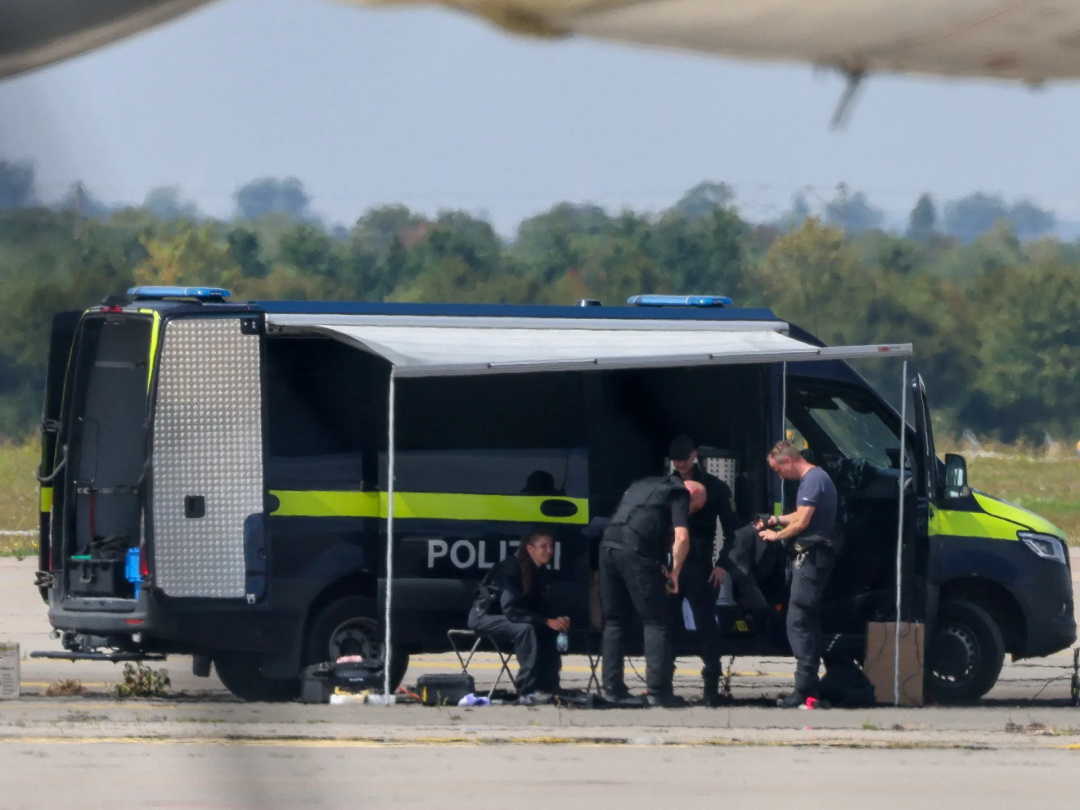
The urgency of this initiative has increased after Germany accused Russia of being responsible for an attempted attack on August 4, where a drone carrying explosives was discovered near a Ukrainian aircraft at the airport. German officials have indicated that the methods and technology used in this incident align with previous Russian operations, particularly those observed during the ongoing conflict in Ukraine.
Latvia's Foreign Minister Baiba Braže has characterized the Leipzig incident as state-sponsored terrorism, emphasizing the direct threat Russia poses to European security. She has called for enhanced support for Ukraine and additional sanctions against Russia to limit its military capabilities.
Retired Air Force Lt. Gen. Richard Newton noted that the Leipzig attack reflects a broader pattern of Russian hostile activities across Europe, which often involve non-military tactics designed to create disruption while avoiding open conflict with NATO. He highlighted the seriousness of Germany's attribution of the attack to Russia, underscoring the increasing danger of such operations.
In response to the attack, Germany has taken diplomatic measures, including closing the Russian consulate in Bonn and tightening entry controls for Russian nationals. The government has also acknowledged the persistent nature of hybrid threats, which include disinformation campaigns and attacks on critical infrastructure.
As investigations continue into other suspicious incidents targeting Germany's electricity infrastructure, authorities remain cautious about attributing these acts directly to Russia without conclusive evidence. The German government has reiterated that while it is not at war, it is a daily target of hybrid warfare.
The proposed Baltic task force aims to enhance collaboration among regional partners, allowing for quicker intelligence sharing and coordinated military responses. This initiative aligns with NATO's ongoing efforts to protect critical infrastructure in the Baltic Sea region, where threats to undersea cables and pipelines have become increasingly relevant.
Retired Gen. Philip Breedlove, a former NATO Supreme Allied Commander, supports the initiative, stating that it could significantly improve the ability of countries to respond to Russian threats effectively. He emphasized the need for Western nations to strengthen their defenses against Russia's covert operations, which seek to exploit divisions within NATO and create uncertainty among allies.