Nigerian Army Day: Celebrating Service Amid National Security Challenges
Each year, Nigerians come together with the Nigerian Army to commemorate the Nigerian Army Day Celebration (NADCEL), an event that highlights the Army's achievements and assesses its performance in safeguarding the nation's sovereignty. This year's theme, "Protecting the Nation and Serving the People: A Way Forward for the Nigerian Army," emphasizes the Army's constitutional duty to defend Nigeria and the importance of collaboration with citizens.
The Nigerian Army, established in 1863, has evolved into one of Africa's largest military institutions, recognized for its roles in national defense, internal security, and peacekeeping missions. Nigerian soldiers have gained international acclaim for their professionalism and courage in various conflict zones, including Liberia and Sierra Leone.
However, the domestic security landscape is fraught with challenges. Nigeria has faced over a decade of insurgency in the North-East, banditry in the North-West, communal conflicts in the North-Central, and piracy in the Gulf of Guinea. Thousands of soldiers have lost their lives or sustained serious injuries while serving in these demanding conditions.
This reality raises questions about the significance of celebrating the Army amidst ongoing security threats. NADCEL is not just about military victories; it serves as a time to evaluate performance, honor sacrifices, and foster public appreciation for the Army's role in national development and security. The bravery of soldiers should be recognized not only in the absence of threats but in their commitment to confront challenges head-on.
Nigerian soldiers operate in some of the harshest environments, often away from their families for extended periods. They face resource limitations and adapt to evolving adversarial tactics, yet they remain dedicated to their duty. While celebrating the Army's achievements, it is also crucial to reflect on the broader issues affecting national security. Experts argue that military operations alone cannot address the root causes of insecurity, such as unemployment, poverty, and corruption.
The celebration should prompt policymakers to reassess the nation's security framework, focusing on intelligence gathering, inter-agency cooperation, and military funding. The effectiveness of the military is closely tied to the support it receives from the state and society.
Civil-military relations are also vital in a democratic context. The military must operate professionally and respect citizens' rights, fostering public confidence. As Nigeria strengthens its democracy, maintaining this balance is essential.
In recent years, the Nigerian Army has made strides in local military production and modernization, indicating a commitment to self-reliance. While challenges remain, these efforts are significant for enhancing national defense capabilities.
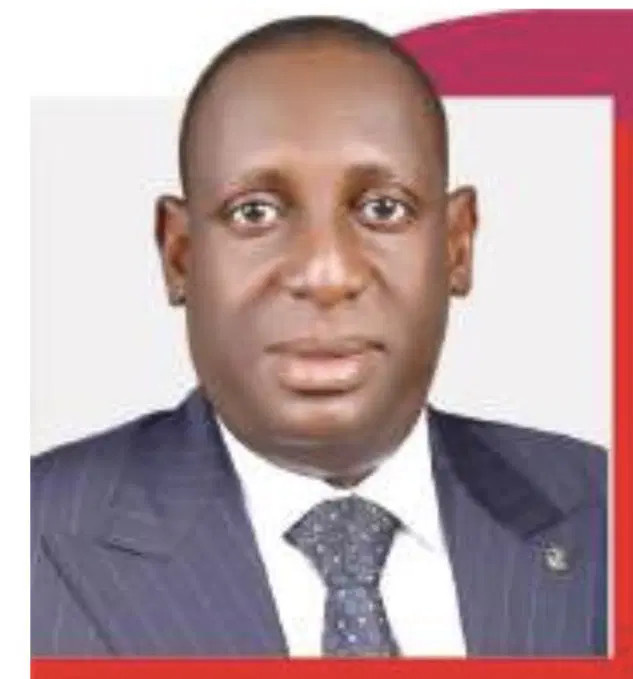
As this year's NADCEL unfolds, it is important to recognize the leadership of the Nigerian Army, particularly Lieutenant General Waidi Shaibu, the Chief of Army Staff, for guiding the Army through complex security challenges. Acknowledgment is also due to the officers and soldiers serving across Nigeria, whose dedication often comes at great personal cost.
The families of military personnel deserve recognition for their support, which is crucial for the troops' effectiveness. To the fallen heroes, gratitude is eternal, and to those currently serving, appreciation runs deep. The leadership of the Nigerian Army is commended for their resilience and commitment to defending the nation.
As the Nigerian Army continues to grow in strength and professionalism, it remains dedicated to its constitutional mandate of safeguarding Nigeria's peace, unity, and territorial integrity.