Trump Avoids Commitment on CIA Support for Iranian Uprising
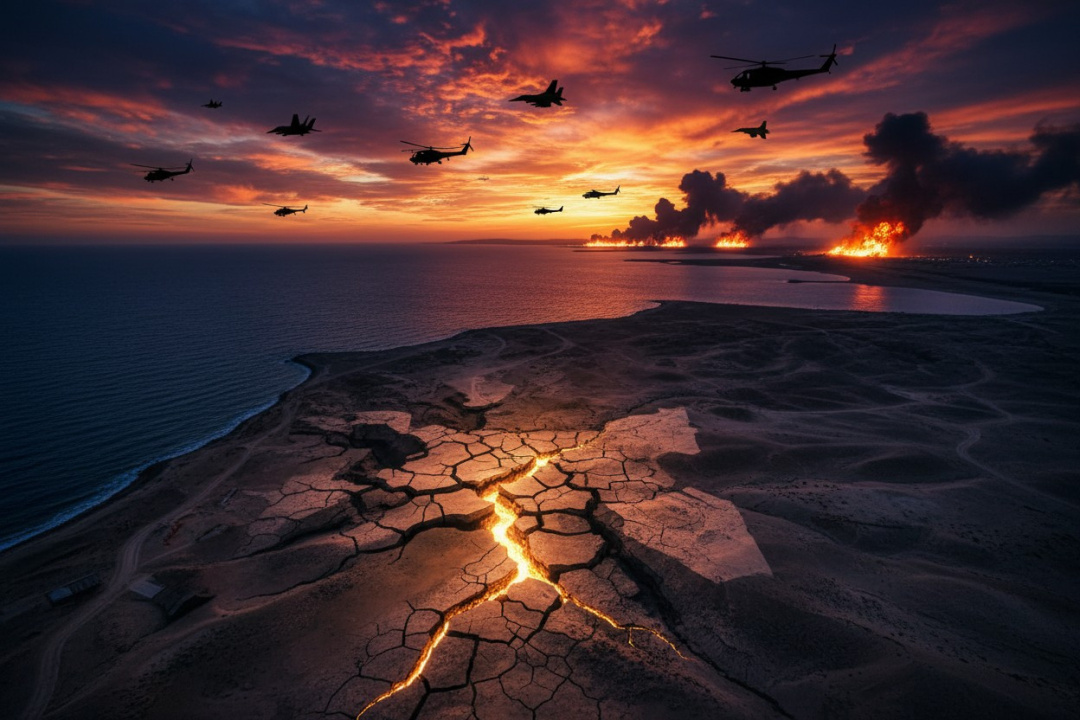
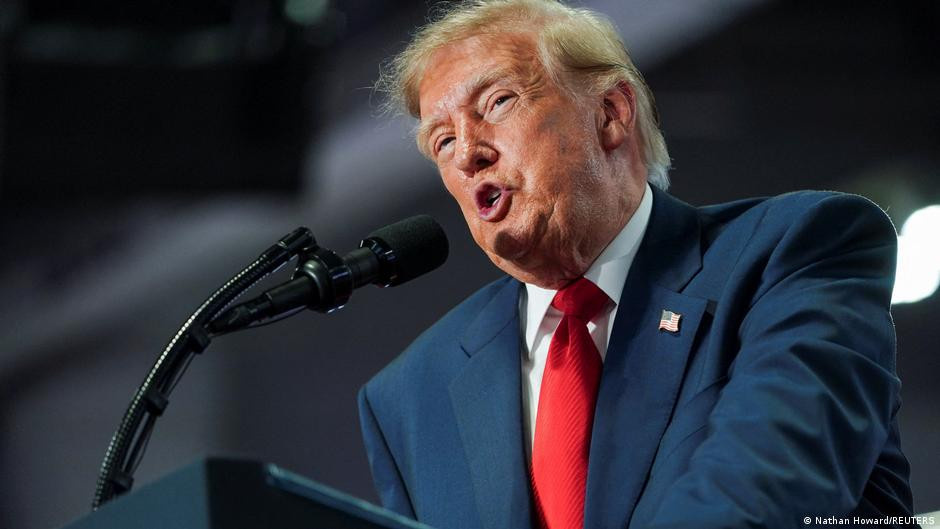
In a press briefing on September 2, President Donald Trump was asked whether he would authorize the CIA to provide arms to Iranians in support of a potential uprising. Trump responded, "I'd love to tell you that, but it wouldn't be appropriate to say." His comments followed a social media post where he questioned when the Iranian people would rise up against their government. This exchange occurred shortly after U.S. airstrikes on Iran's southern coast, which reportedly killed 18 individuals, including children at a wedding.
The casualty figures mentioned by Trump have varied in previous statements, with estimates ranging from 25,000 to 80,000 protesters killed, while Iranian authorities claim the number is around 3,800. The context of Trump's remarks suggests a shift in U.S. policy, as the possibility of an Iranian uprising had previously been deemed unlikely by analysts.
Reports indicate that the CIA had been involved in supplying Kurdish militias in Iraq earlier this year, but the effectiveness of such efforts has been questioned. An analysis suggested that a CIA-Mossad initiative to instigate a "color revolution" in Iran had not succeeded, despite attempts to portray the protests as a significant movement.
The ongoing conflict, which began with the killing of Iran's Supreme Leader Ayatollah Ali Khamenei, has lasted six months and has drawn criticism from various political factions regarding the U.S. administration's handling of the situation. Trump asserted that the Iranian regime is weakening, citing military targets of recent U.S. attacks, although he did not address reports of civilian casualties resulting from these strikes.
Iran has retaliated against U.S. military facilities in the region, and Iranian President Masoud Pezeshkian stated that Iran is not seeking war but will respond to aggression. The U.S. military's current strategy has faced scrutiny, with military officials warning that prolonged conflict could deplete U.S. military resources.
In response to the escalating tensions, U.S. Secretary of State Marco Rubio emphasized the right to military action if necessary, while Treasury Secretary Scott Bessent announced new sanctions aimed at crippling the Iranian regime's economy. These sanctions are part of a broader strategy that analysts warn could have significant implications for global oil markets, given the strategic importance of the Strait of Hormuz, through which a substantial portion of the world's oil supply passes.