Costa Rican President Discusses US Military Operations for Security
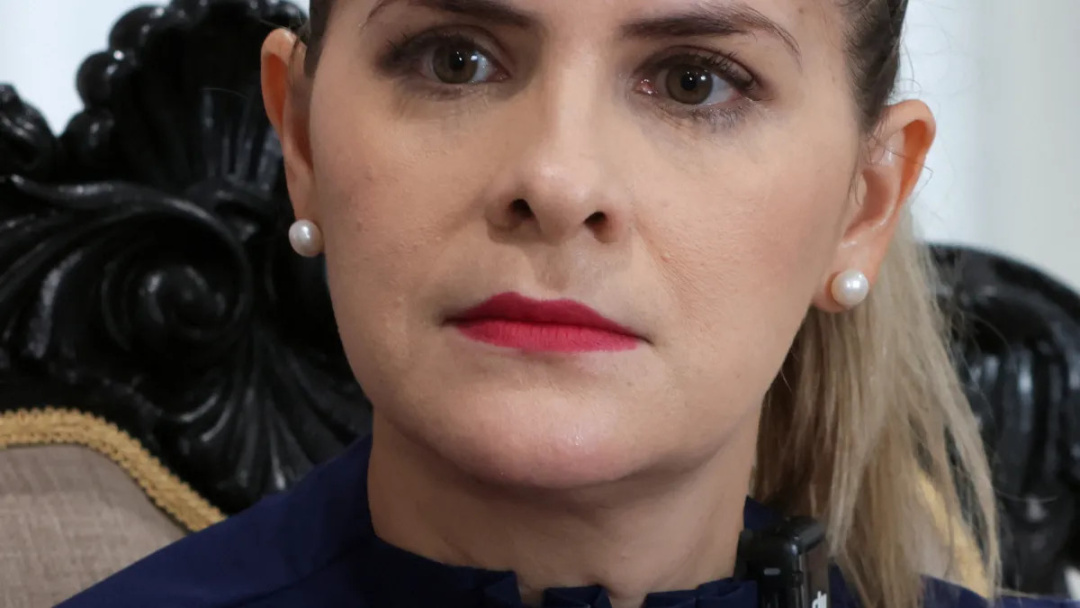
Costa Rican President Laura Fernandez has suggested that the presence of United States military operations within the country could provide national security advantages. However, she emphasized that any such measures would necessitate approval from the national legislature. In an interview with Reuters, Fernandez stated that while the idea could be beneficial in combating transnational crime, drug trafficking, and terrorism, there are no immediate plans for US military involvement in Costa Rica.
Fernandez, who took office in May, succeeded her mentor, former President Rodrigo Chaves, amid rising concerns about security and violence in the Central American nation. Although she campaigned on a tough-on-crime platform, she has indicated that she is not currently considering a state of emergency to tackle these issues. Such declarations typically suspend constitutional rights to grant police and military additional powers, a strategy that has been notably employed by El Salvador's President Nayib Bukele. Critics argue that states of emergency should be temporary measures, yet El Salvador has maintained its emergency status since 2022, extending it multiple times.
Crime has emerged as a significant concern for voters in Costa Rica, with the homicide rate doubling over the past decade to 17.2 per 100,000 inhabitants in 2023. While this figure remains lower than in many neighboring countries, the increase, partly attributed to drug trafficking, has alarmed residents. Fernandez's remarks also reflect increasing pressure from the US to address crime throughout the Western Hemisphere.
Since returning to office, US President Donald Trump has sought to expand American influence in Latin America, particularly through military initiatives. Earlier this year, he introduced the "Shield of the Americas," aimed at uniting right-wing leaders to combat drug trafficking. Trump has advocated for a military-driven approach to crime, despite concerns regarding human rights violations.
While some nations, like Mexico, have resisted the idea of US military operations on their soil, others have been more receptive. For instance, US forces have recently collaborated with Ecuador's government to address crime rates, although Ecuador's military has faced accusations of serious human rights abuses. A report from Human Rights Watch highlighted troubling incidents, including allegations of torture and unlawful detentions during operations supported by the US.
As discussions around US military involvement in Costa Rica unfold, the implications for national security and human rights remain critical points of consideration.