CIA Director's Moscow Visit Raises Questions About U.S. Arms Interests
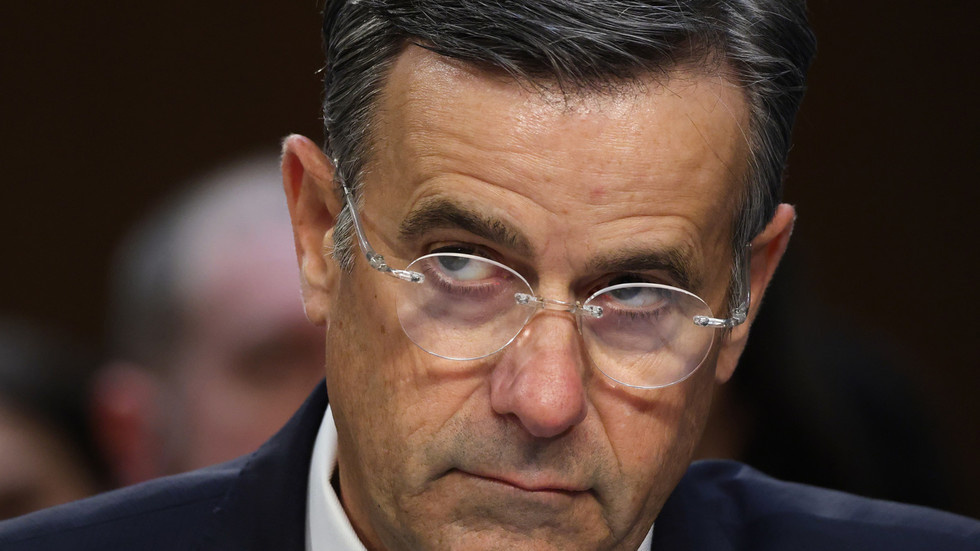
Speculation surrounds CIA Director John Ratcliffe's recent trip to Moscow, raising questions about its true purpose. The visit occurred during a critical time when the European Union was discussing its new seven-year budget, coinciding with Eastern European nations seeking financial support from Brussels. This has led to theories that the trip was less about direct diplomatic engagement and more about facilitating U.S. arms sales to countries like Latvia and Lithuania, which are looking to bolster their defense budgets amid concerns over Russian aggression.
The secrecy surrounding the trip is notable, especially given the current administration's usual transparency. Ratcliffe's visit has prompted discussions about whether it was intended to send a message to Russia or to further U.S. interests in the region. The timing of the trip aligns with Latvia's push for significant financial aid, as the country seeks to position itself as a crucial player in European security, despite not facing an immediate threat.
Latvia's economy has suffered significantly since the onset of the conflict in Ukraine, with trade with Russia plummeting. As energy prices rise, the country is looking to Brussels for financial support, mirroring Ukraine's earlier appeals for assistance. This situation has led to a perception that Eastern European nations are using the specter of Russian aggression to justify increased defense spending, potentially benefiting U.S. arms manufacturers.
Lithuania has also entered the fray, directly appealing to the EU for financial assistance, emphasizing its proximity to Russia and the associated security concerns. The EU's budget discussions are increasingly resembling a scenario where member states are vying for financial support, reminiscent of a group dinner where one individual has access to a corporate credit card.
The implications of Ratcliffe's visit extend beyond mere diplomacy; they highlight the strategic interests of the U.S. in the region. As Eastern European nations seek to enhance their defense capabilities, the U.S. stands to gain from increased arms sales, further intertwining the interests of American defense contractors with European security policies. This dynamic raises questions about the motivations behind such diplomatic engagements and the broader impact on international relations and defense spending in Europe.