House Report Highlights Discriminatory Practices Against US Firms in South Korea
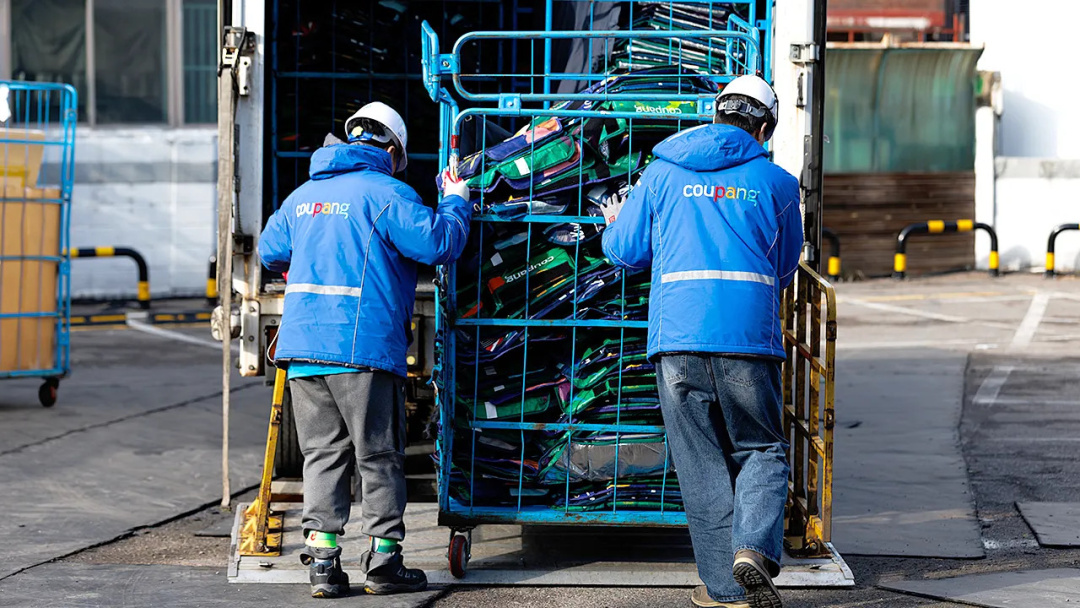
More than 50 House lawmakers, spearheaded by Rep. Darrell Issa, have expressed concerns regarding South Korean policies that they believe discriminate against American technology companies, favoring those linked to China. The House Judiciary Committee's report highlights the case of Coupang, a Seattle-based company often referred to as the "Amazon of Korea," which has faced intense scrutiny from the South Korean government following a significant data breach. Coupang was fined approximately $410 million, marking the largest privacy penalty in South Korea's history.
The Judiciary Committee outlines a timeline of events surrounding Coupang's challenges, including a covert operation to recover stolen data. In June, a former senior engineer at Coupang accessed sensitive consumer information for several months before the breach was confirmed in November. Coupang reported that around 3,000 accounts were compromised, prompting the company to notify the Korea Internet & Security Agency.
In December, the committee reported that Coupang was instructed by South Korea's National Intelligence Service (NIS) to retrieve the stolen data, which was allegedly located on a laptop at the bottom of a river in China. This led to a covert mission to recover the device, which Coupang documented with a photo of the laptop retrieved by a dive team. Following the incident, Coupang's CEO Park Dae-jun resigned, and Harold Rogers was appointed as interim CEO.
During a December assembly hearing, Rogers testified that the NIS had directed Coupang to recover the stolen data. However, South Korean officials disputed this claim, suggesting that Rogers could face perjury charges for his testimony. The Judiciary Committee's report supports Rogers' account, but the South Korean government has denied any involvement in instructing Coupang to enter Chinese territory.
The report also criticizes the Korea Fair Trade Commission (KFTC) for its aggressive stance against American companies, suggesting that South Korea's digital laws are being used to limit the operations of U.S. firms. Despite these allegations, a spokesperson for the South Korean embassy asserted the country's commitment to a fair business environment for all companies.
Coupang's stock has suffered significantly, dropping over 45% since the breach was announced and the government began its punitive measures. The Judiciary Committee's report warns that continued discriminatory practices could lead to substantial economic losses for U.S. states, with estimates suggesting a potential $525 billion impact over the next decade.
The political landscape in South Korea has shifted following the election of President Lee Jae-myung, whose administration is perceived as more aligned with China. Issa and other lawmakers have raised alarms about this shift, emphasizing the need for a fair business environment for American companies in South Korea. The ongoing tensions highlight the complexities of international trade relations and the challenges faced by U.S. firms abroad.